

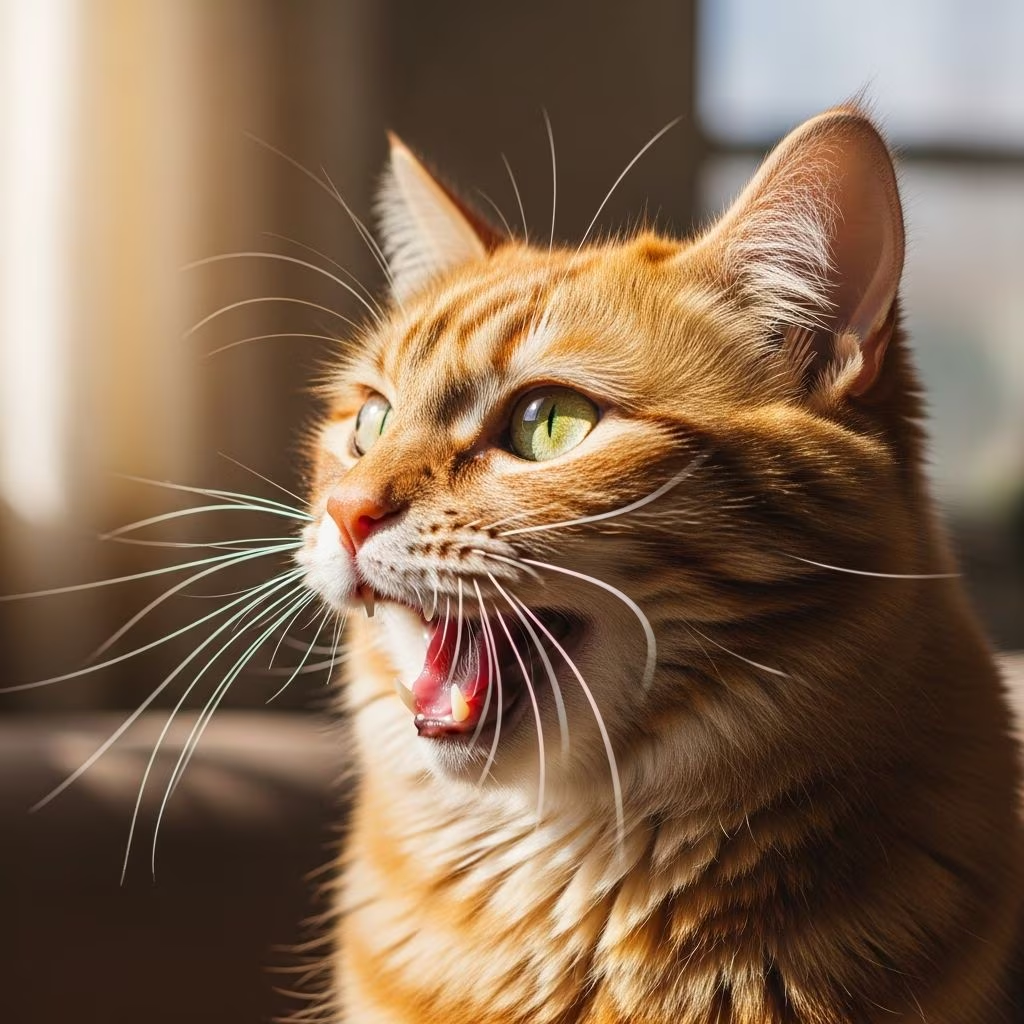
Cats communicate through a variety of vocalizations, but when meowing becomes frequent and insistent, it often indicates an underlying need or issue. Understanding these patterns helps owners respond appropriately, whether it’s addressing basic needs or identifying health concerns.
Decoding Feline Vocalizations: Normal vs. Excessive
Adult cats primarily meow to interact with humans rather than other cats, evolving this behavior as a learned way to get attention. Normal meowing occurs around mealtimes, greetings, or play requests, but excessive meowing disrupts daily life, persists at odd hours, or accompanies other symptoms like restlessness.
Key differences include:
- Frequency: Occasional vs. constant throughout the day or night.
- Tone: Standard meows vs. hoarse, urgent, or plaintive cries signaling distress.
- Context: Tied to routines like feeding vs. random or in response to environmental changes.
Observing these can pinpoint if it’s behavioral or medical.
Everyday Triggers for Increased Meowing
Many cases stem from routine needs that cats express vocally when unmet.
Hunger and Feeding Routines
Cats quickly learn that meowing prompts food delivery, especially if schedules vary. This creates a cycle where vocalizing becomes the norm around mealtimes.
- Use consistent feeding times to reset expectations.
- Implement puzzle feeders to extend meals and reduce demands.
- Automatic feeders prevent associating humans solely with food.
Seeking Interaction and Play
Boredom or loneliness leads some cats to meow for companionship. Indoor cats, in particular, may vocalize more if lacking stimulation.
Solutions include daily play sessions with toys mimicking prey, vertical spaces like cat trees, and rotation of enrichments to keep things fresh.
Litter Box Discontent
A dirty or inconvenient litter box prompts meows of protest, sometimes during or after use. Urinary discomfort from infections amplifies this.
- Scoop daily and provide one box per cat plus one extra.
- Choose unscented, clumping litter and avoid sudden location changes.
Health-Related Causes of Persistent Meowing
Rule out medical issues first, as they demand prompt veterinary attention. Older cats are especially prone.
| Condition | Symptoms | Prevalence |
|---|---|---|
| Hyperthyroidism | Weight loss, hyperactivity, night vocalizing | Common in seniors |
| Kidney Disease | Increased thirst, appetite changes, restlessness | Frequent in older cats |
| Hypertension | Restlessness, insistent meowing | Often secondary to other issues |
| Urinary Tract Issues | Meowing in/near box, straining | Any age, painful |
Hyperthyroidism, an overactive thyroid, ramps up metabolism, leading to incessant calling, particularly nocturnally. Blood tests confirm it, with treatments like medication or diet changes.
Sensory Losses and Aging Effects
Deafness or blindness causes disorientation, prompting louder meows for location cues. Cognitive dysfunction syndrome (CDS), akin to dementia, brings nighttime confusion and vocalizing in seniors.
Diagnosis involves exams ruling out reversible causes; management includes routine consistency and supplements.
Pain and Other Illnesses
Arthritis, dental problems, or tumors manifest as altered meows. Hoarse voices suggest respiratory infections or laryngitis.
Any new vocal changes warrant a vet visit, especially with lethargy or appetite shifts.
Environmental and Emotional Factors
Stress disrupts cats’ need for stability, escalating meows.
Household Disruptions
New pets, babies, moves, or visitors unsettle territories, sparking anxiety vocalizations.
- Introduce changes gradually with separate spaces.
- Use pheromone diffusers to promote calm.
Multi-Pet Dynamics
Territorial disputes lead to yowling; ensure ample resources like beds and boxes.
Nocturnal Habits
Cats’ crepuscular nature means evening energy bursts; daytime naps exacerbate night meowing.
Evening play and blackout curtains help align schedules.
Breed and Individual Tendencies
Siamese and similar breeds are naturally chatty due to genetics, meowing more regardless of circumstance.
Unaltered cats may vocalize hormonally, especially females in heat. Spaying/neutering often reduces this.
Practical Strategies to Curb Excessive Meowing
Combine approaches based on the cause.
- Observe Patterns: Log meows’ timing, tone, and triggers for vet insights.
- Enrich Environment: Toys, scratching posts, window perches combat boredom.
- Ignore Attention-Seeking: Reward quiet behavior to extinguish habits.
- Vet Check-Up: Bloodwork screens for thyroid, kidneys, etc.
- Stress Relief: Pheromones, consistent routines, safe retreats.
For seniors, CDS protocols include diet, meds, and antioxidants.
When to Seek Professional Help
Consult a vet if meowing is:
- Sudden or worsening.
- Paired with eating/drinking changes, mobility issues, or disorientation.
- Unresponsive to behavioral tweaks after 1-2 weeks.
Behavioralists help persistent cases post-medical clearance.
Frequently Asked Questions (FAQs)
Why does my cat meow at night?
Night meowing often ties to hunger, CDS, hyperthyroidism, or unmet daytime activity. Increase evening play and check health.
Will ignoring meowing stop it?
Yes, for learned behaviors, but never ignore potential medical signs. Reward silence instead.
Is excessive meowing normal for kittens?
Kittens meow more for maternal care, but persistent adult-like patterns need evaluation.
Can diet affect vocalization?
Yes, hyperthyroidism diets help; ensure balanced nutrition prevents deficiencies mimicking issues.
How to train a talkative breed?
Enrichment and ignoring reinforce quieter habits, but accept some vocal nature.
References
- What’s Your Cat Trying to Tell You? Causes of Constant Meowing — Carolina Virginia Animal Hospital. 2023. https://carolinavirginiavet.com/whats-your-cat-trying-to-tell-you-causes-of-constant-meowing/
- Why Is My Cat Meowing So Much? Exploring Excessive Vocalization in Cats — Bayview Pets. 2024. https://bayviewpets.com/why-is-my-cat-meowing-so-much-exploring-excessive-vocalization-in-cats/
- Why is My Cat Meowing so Much? — West Loop Veterinary Care. 2023. https://westloopvet.com/blog/why-is-my-cat-meowing-so-much/
- Why Is My Cat Meowing So Much? — PetMD. 2025-02-10. https://www.petmd.com/cat/behavior/cat-meowing
- Why Does My Cat Meow So Much? — Best Friends Animal Society. 2024. https://bestfriends.org/pet-care-resources/why-does-my-cat-meow-so-much



