

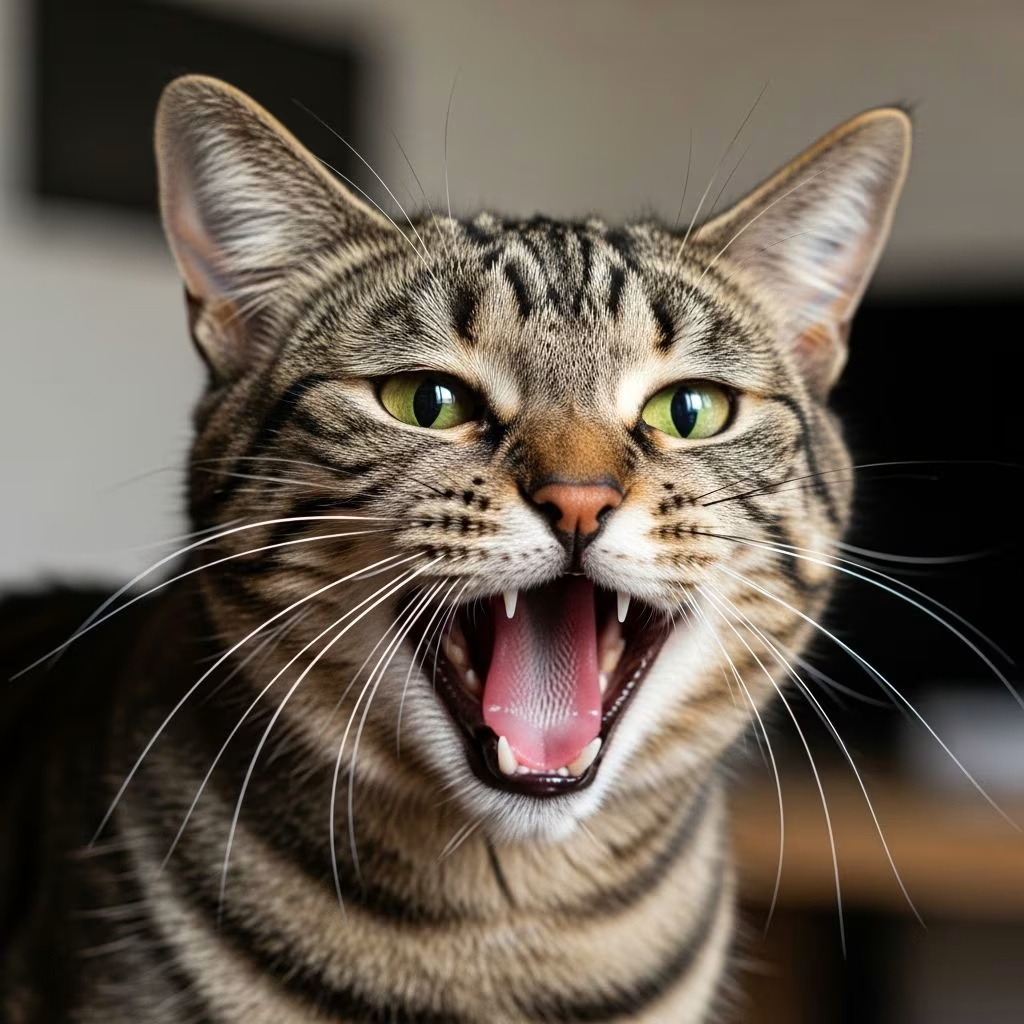
Cats communicate through a variety of vocalizations, but excessive meowing often stands out as a persistent concern for owners. This behavior can stem from basic needs, environmental factors, or underlying health problems, requiring careful observation to address effectively.
Understanding Feline Vocal Communication
Domestic cats primarily meow to interact with humans rather than other cats. Kittens use meows to signal hunger or distress to their mothers, a habit that evolves into adult communication directed at people. Common triggers include greetings upon your return home, requests for petting, or play invitations. According to veterinary insights, these vocal patterns strengthen the human-cat bond but can escalate if needs go unmet.
Breeds like Siamese are genetically predisposed to be more vocal, producing elaborate meows that sound almost conversational. Neutered or spayed cats may still vocalize due to learned behaviors rather than hormones alone. Monitoring the timing and tone helps distinguish routine chatter from potential issues.
Everyday Reasons for Frequent Meowing
- Hunger Signals: Cats quickly learn that a insistent meow prompts feeding, especially near mealtimes. This is one of the most straightforward causes, reinforced by consistent owner responses.
- Attention Seeking: Bored or lonely cats meow to solicit interaction, cuddles, or play. Indoor cats with limited stimulation often amplify this behavior during idle hours.
- Litter Box Complaints: A dirty or unappealing litter box prompts vocal protests. Some cats announce successful use, while others cry out in discomfort from urinary issues.
- Doorway Demands: Closed doors blocking access to favorite spots elicit frustrated meows, signaling a desire for entry or freedom.
These normal vocalizations follow predictable patterns. A sudden increase or change in pitch, such as a hoarse tone, warrants further investigation.
When Meowing Signals Medical Concerns
Excessive vocalization can indicate pain, illness, or age-related conditions. Cats mask discomfort, so persistent meowing paired with symptoms like lethargy or appetite changes demands veterinary attention.
| Condition | Symptoms | Common in |
|---|---|---|
| Hyperthyroidism | Weight loss, increased appetite/thirst, restlessness, night vocalization | Senior cats |
| Kidney Disease | Excessive thirst/urination, decreased appetite, restlessness | Older cats |
| Hypertension | Incessant meowing, high energy | Seniors with thyroid issues |
| Urinary Tract Infection | Frequent box visits, straining, urgent meows | All ages |
| Arthritis/Pain | Limping, hiding, low-pitched cries | Seniors |
Hyperthyroidism tops the list for senior cats, overproducing thyroid hormones that accelerate metabolism and boost vocal activity. Blood tests confirm diagnosis, with treatments like medication restoring balance.
Age-Related Vocal Changes in Senior Cats
As cats age, cognitive dysfunction syndrome (CDS), akin to human dementia, leads to disorientation and nighttime yowling. Affected cats wander, vocalize loudly from confusion, and alter sleep patterns. Sensory losses like deafness or blindness amplify meowing as cats compensate for reduced awareness, calling out to locate owners or navigate spaces.
Neurological issues, including rare brain tumors, manifest as unsteady gait, circling, or persistent cries. Early vet exams, including bloodwork and imaging, pinpoint causes. Supplements and environmental adjustments support senior well-being.
Stress and Environmental Influences
Changes disrupt feline security, triggering anxiety-driven meowing. Key stressors include:
- New household members or pets
- Relocation or renovations
- Altered feeding/sleep routines
- Loud noises or frequent visitors
- Territorial disputes with other animals
Nocturnal meowing often ties to insufficient daytime activity; cats revert to crepuscular instincts, vocalizing at dawn or dusk. Pheromone diffusers, vertical spaces, and puzzle feeders mitigate tension.
Interpreting Meow Variations
Tone conveys meaning: short, high-pitched meows seek greetings or treats; drawn-out yowls signal frustration or pain; hoarse sounds suggest respiratory infections or laryngitis. Unspayed females caterwaul during heat cycles, while intact males yowl territorially. Spaying/neutering curbs hormone-fueled noise.
Context matters—meowing near the food bowl differs from hallway cries at midnight. Track patterns in a journal: time, duration, accompanying behaviors.
Practical Solutions to Curb Excessive Meowing
- Rule Out Health Issues: Schedule a vet visit for blood panels, urine analysis, and physical exams, especially if over 7 years old.
- Enrich the Environment: Provide scratching posts, window perches, and rotating toys to combat boredom.
- Maintain Routines: Feed, play, and clean litter consistently to build security.
- Ignore Attention-Seeking: Delay responses to non-essential meows, rewarding quiet behavior.
- Promote Daytime Activity: Evening play sessions tire cats, reducing night vocalizations.
- Use Calming Aids: Synthetic pheromones or anxiety wraps soothe stressed felines.
For seniors, night lights aid navigation, and prescription diets support cognitive health.
Breeds Prone to Vocalization
Certain breeds naturally “talk” more:
- Siamese: Famous for raspy, persistent meows resembling human speech.
- Oriental Shorthair: Expressive and chatty companions.
- Toninese: Vocal due to Siamese lineage.
- Maine Coon: Gentle trills and chirps alongside meows.
Mixed breeds inherit these traits, blending with personality.
FAQ
Should I worry if my cat meows at night?
Night meowing often links to hunger, boredom, or CDS in seniors. Vet checks rule out thyroid issues; enrich days to sync sleep.
Why does my cat meow after using the litter box?
It could celebrate success or signal UTI pain. Monitor urination habits and consult a vet if straining occurs.
Can diet affect meowing?
Yes, nutritional imbalances or hunger prompt vocal demands. Scheduled, quality meals reduce food-related cries.
How do I train my cat to meow less?
Ignore unwanted meows, reward silence with attention. Consistency retrains habits over weeks.
Is excessive meowing a sign of pain?
Often yes, especially low moans with hiding or appetite loss. Prompt exams prevent progression.
Long-Term Management Strategies
Holistic approaches combine vet care, behavior modification, and home tweaks. Annual senior wellness exams catch issues early. Interactive feeders engage minds, while multi-level condos offer territory. Track progress weekly, adjusting as needed. Patient owners foster quieter homes, enhancing cat-human harmony.
References
- Why Is My Cat Meowing So Much? Exploring Excessive Vocalization in Cats — Bayview Pets. 2023. https://bayviewpets.com/why-is-my-cat-meowing-so-much-exploring-excessive-vocalization-in-cats/
- Why is My Cat Meowing so Much? — West Loop Veterinary Care. 2023. https://westloopvet.com/blog/why-is-my-cat-meowing-so-much/
- Why Is My Cat Meowing So Much? Understanding Feline Vocalization — Star of Texas Veterinary. 2023. https://staroftexasvet.com/why-is-my-cat-meowing-so-much-understanding-feline-vocalization-and-what-it-means/
- Why Is My Cat Meowing So Much? — PetMD. 2024-01-29. https://www.petmd.com/cat/behavior/cat-meowing
- Meowing and Yowling — ASPCA. 2023. https://www.aspca.org/pet-care/cat-care/common-cat-behavior-issues/meowing-and-yowling
- The Cat’s Meow! Caterwauling in Cats — VCA Animal Hospitals. 2023. https://vcahospitals.com/know-your-pet/the-cats-meow-caterwauling-in-cats



