

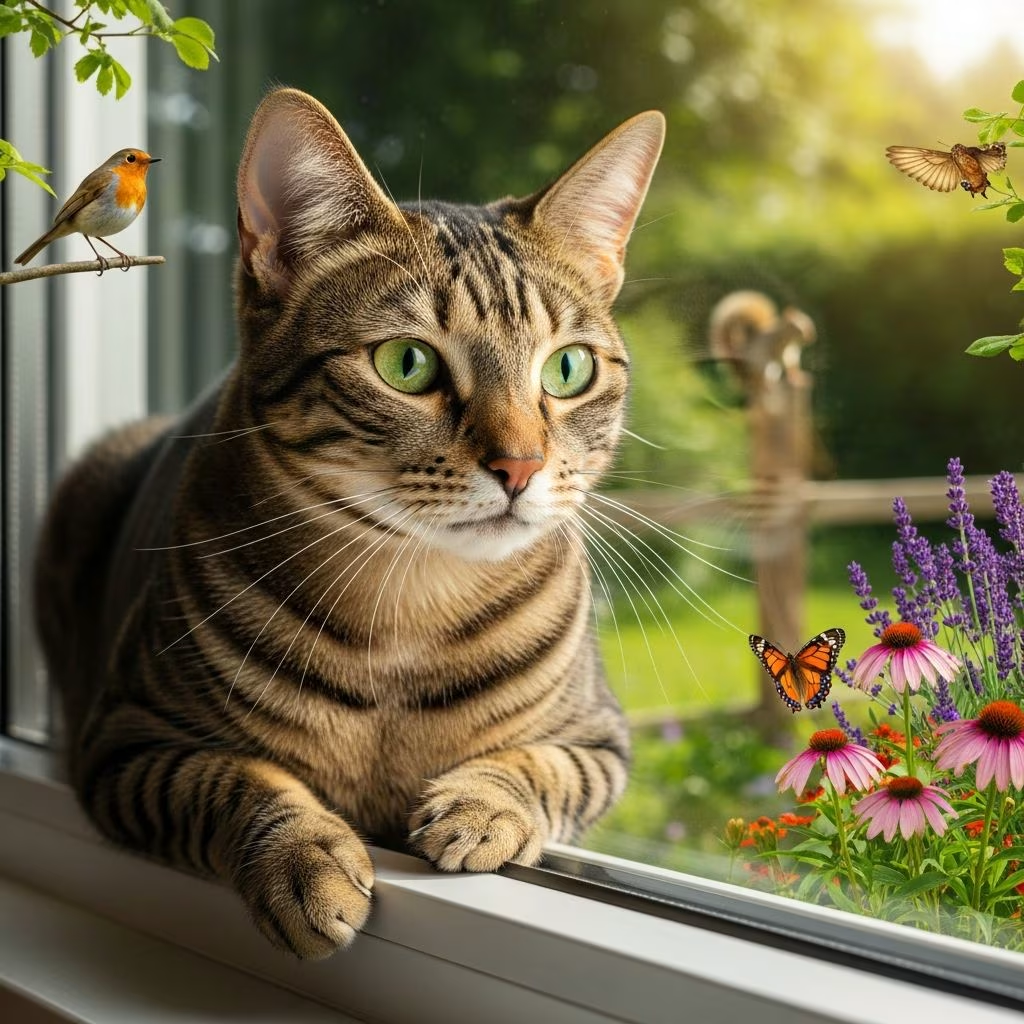
Cats possess an innate fascination with observing other animals, a behavior rooted in their evolutionary past as skilled predators. This seemingly simple activity serves multiple purposes, from satisfying hunting urges to providing essential mental stimulation, making it a vital part of a cat’s daily life.
The Primal Instinct Behind the Stare
At the heart of a cat’s interest in wildlife lies their predatory heritage. Domestic cats, descendants of wild felines, retain sharp hunting instincts even in cozy homes. When a bird flutters past a window or a squirrel dashes across the lawn, it activates these ancient drives. The cat’s eyes lock on, pupils dilate, and tail twitches in anticipation, mimicking the focus needed for a real hunt.
This observation acts as a safe outlet for their predatory energy. Unlike actual chasing, which could lead to escapes or injuries, watching allows them to engage without risk. Research on feline behavior highlights how such visual stimuli trigger the same neural pathways as hunting, releasing endorphins that promote satisfaction.
Mental and Emotional Benefits for Indoor Cats
For cats confined indoors, peering at outdoor creatures offers crucial environmental enrichment. Boredom can lead to stress-related issues like excessive meowing or destructive scratching, but this ‘cat TV’ counters that effectively. The unpredictable movements of birds, insects, or rodents keep their minds active, solving the puzzle of ‘what happens next?’
Experts note that mental exercise is as important as physical activity for cats. Observing wildlife sharpens senses like sight and hearing, preventing cognitive decline in older felines. It also reduces anxiety by providing a sense of control over their territory from afar.
How Cats Interpret Movements of Other Species
Cats don’t just watch passively; they analyze patterns. A bird’s sudden flight or a fish’s graceful swim captivates because it resembles prey behavior. This scrutiny helps them predict actions, honing skills they’d use in the wild.
Interestingly, cats apply similar observation to household pets. They study dogs’ tail wags or human gestures, learning social cues. A tail held high signals friendliness in cats, and they recognize analogous signs in dogs, fostering interspecies harmony.
| Animal Observed | Cat’s Typical Reaction | Instinct Triggered |
|---|---|---|
| Birds | Intense staring, crouching | Hunting chase |
| Squirrels | Tail flicking, pouncing posture | Stalking prey |
| Fish in tank | Pawing at glass, dilated pupils | Aquatic pursuit |
| Dogs | Alert watching, occasional approach | Social assessment |
Signs Your Cat is Engaged in Healthy Observation
- Dilated pupils and focused gaze: Indicates excitement and prey drive activation.
- Twitching tail or ears perked forward: Shows heightened arousal without aggression.
- Chirping or trilling sounds: A vocal expression of frustration mixed with thrill during bird-watching.
- Relaxed body post-session: Ends with grooming or napping, signaling contentment.
These cues confirm the activity is beneficial. If accompanied by stress signs like flattened ears or hissing, it may signal overload, warranting intervention.
Potential Risks and When to Intervene
While generally positive, excessive fixation can frustrate cats unable to act on impulses, leading to stress. Signs include prolonged staring without breaks, vocalizing aggressively, or redirected aggression toward toys or people.
Fear-based staring occurs too, with body language like crouched posture or piloerection indicating anxiety toward a perceived threat. In multi-pet homes, misunderstanding signals—such as a dog’s wagging tail misinterpreted as conflict—can escalate tensions.
Owners should monitor for aggression markers: unblinking hard stares, stiff posture, or growling. Giving space and redirecting with toys prevents confrontations.
Enhancing Your Cat’s Viewing Experience Safely
To maximize benefits, create dedicated observation spots. Install window perches or shelves near bird feeders, placed out of reach from potential escape routes. Motion-activated cameras or fish tanks with secure lids provide controlled stimulation.
- Position feeders 3-5 feet from windows to prevent close encounters.
- Rotate toys mimicking wildlife for variety.
- Use puzzle feeders post-session to channel energy.
For apartment dwellers, apps simulating bird movements or TV channels for pets offer alternatives. Always prioritize safety to avoid window leaps.
Understanding Stares Directed at You or Family
Cats often extend this behavior to humans, staring to read body language or solicit interaction. A slow blink back signals trust and affection. Dilated pupils with swishing tail might invite play; respond with wand toys.
Hunger drives stares too, as cats associate your movements with mealtime. Curiosity fuels it—your actions entertain like wildlife. Reciprocate calmly to strengthen bonds.
Inter-Species Dynamics in the Home
In homes with dogs or other pets, observation builds familiarity. Cats approach friendly dogs with tails up, mirroring cat-cat greetings. However, unfamiliar animals trigger flight responses, reminding us affiliation is individual, not species-wide.
Guardians must learn cross-species signals: cats’ tail twitching means irritation, while dogs’ upright tail can signal alertness. Promoting positive interactions prevents conflicts.
Frequently Asked Questions
Is it normal for my cat to watch birds for hours?
Yes, it’s a healthy expression of instincts, but ensure breaks with play to avoid frustration.
Why does my cat chirp at the window?
Chirping mimics hunting calls, showing excitement over inaccessible prey.
Can watching wildlife make my cat aggressive indoors?
Rarely, if balanced with outlets like toys. Watch for redirected behaviors.
How do I stop my cat from fixating on the fish tank?
Block direct access, provide alternatives, and enrich the tank’s environment visually.
Does this behavior differ in kittens vs. seniors?
Kittens are more playful; seniors benefit cognitively, aiding mental sharpness.
Long-Term Well-Being Through Observation
Incorporating wildlife watching into routines enhances cat happiness, reducing vet visits for stress issues. Combine with diet, exercise, and vet check-ups for holistic care. Understanding this trait deepens the human-feline bond, revealing cats as perceptive companions.
References
- Why Does My Cat Stare at Me? 6 Reasons Cats Stare and What To Do — PetMD, Wailani Sung, MS, PhD, DVM, DACVB. 2023-10-15. https://www.petmd.com/cat/behavior/why-does-my-cat-stare-at-me
- How Cats Get Along with Other Species — The Feline Purrspective. 2022-05-20. https://www.felinepurrspective.com/how-cats-get-along-with-other-species/
- Ask A Vet: Why Does My Cat Stare At Me? — iHeartCats.com. 2024-01-12. https://iheartcats.com/ask-a-vet-why-does-my-cat-stare-at-me/



