

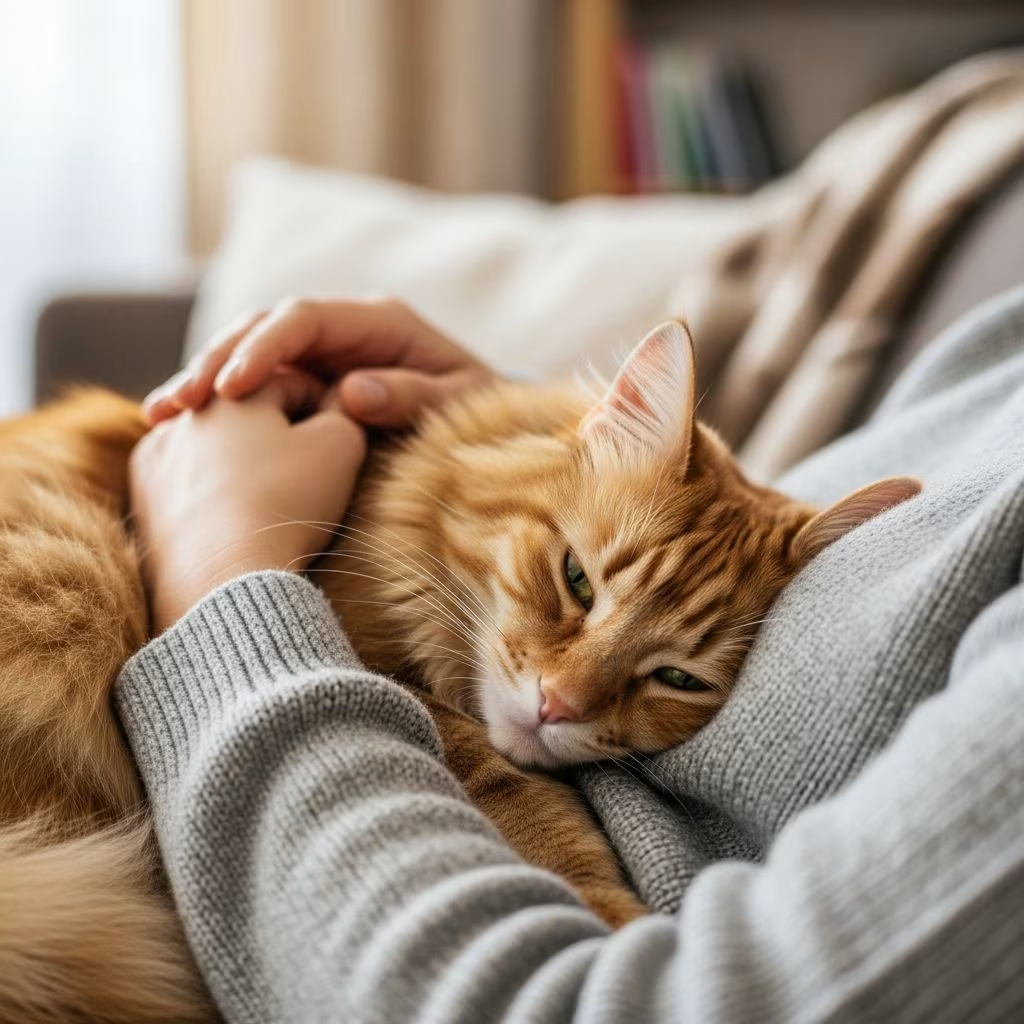
Your cat curling up on your lap or chest isn’t just random—it’s a profound expression of trust, comfort, and connection. Feline companions often select their humans as prime real estate for lounging, revealing deep insights into their instincts and emotions. This behavior, common across breeds and ages, strengthens the human-cat relationship while offering mutual relaxation benefits.
The Instinctual Drive Behind Lap-Sitting
Cats descend from solitary wild ancestors, yet domestication has amplified their social tendencies. Modern cats view their owners as family members, seeking proximity for survival echoes like protection and warmth. When a cat plants itself on you, it’s blending ancient instincts with learned affection, prioritizing your presence over dedicated furniture.
This choice signals you’re their safe haven. Unlike dogs’ overt displays, cats express attachment subtly through physical closeness, making lap-sitting a high compliment in feline terms.
Key Motivations for Your Cat’s Cozy Choice
Several interconnected reasons explain this endearing habit. Understanding them helps owners respond appropriately, fostering even closer ties.
1. Pure Affection and Emotional Bonding
At its core, sitting on you is your cat’s way of saying “I love you.” Cats aren’t aloof by nature; they crave interaction on their terms. By choosing your lap, they initiate bonding, releasing oxytocin—the “love hormone”—in both of you during pets and purrs.
This mirrors kitten-mother interactions, where physical contact nurtures security. Adult cats extend this to trusted humans, using your lap as an affection hub. Breeds like Ragdolls or Siamese amplify this, but any cat can become a “lap lover” with patience.
2. Seeking Your Body Heat
Cats maintain a core temperature of 100.5–102.5°F (38–39°C), higher than humans. Your 98.6°F (37°C) body radiates inviting warmth, especially in cooler rooms or for hairless breeds like Sphynx. Kittens, seniors, or underweight cats thermoregulate poorly, making laps ideal winter (or anytime) thrones.
Observe: lap-sitting spikes in chilly weather or evenings, confirming heat as a prime motivator. Provide heated beds as alternatives, but your living radiator remains unbeatable.
3. A Sense of Security and Protection
In the wild, elevated, enclosed spots shield cats from threats. Your lap elevates them slightly while your arms form a protective barrier—perfect for vulnerability during rest. Sleeping or sitting atop you shows ultimate trust; cats are most exposed when drowsy.
Anxious cats, recent adoptees, or those in multi-pet homes favor laps for reassurance. Your steady heartbeat and breathing mimic womb-like rhythms, lulling them into peace.
4. Scent Marking and Ownership Claims
Cats possess scent glands on cheeks, paws, and flanks, rubbing to deposit pheromones claiming territory. Sitting on you mixes their scent with yours, broadcasting “mine” to other animals—or household objects.
This “bunting” behavior (head-butts, rubs) solidifies you as family. Your unique smell from hair oils and sweat draws them, especially to heads or laps. It’s not dominance but communal bonding, creating a shared “group scent.”
5. Unmatched Comfort and Familiarity
Your soft clothing, breathing rhythm, and voice vibrations create a custom comfort zone. Laps contour to paws better than rigid beds, while your scent and purr responses soothe.
Factors like clothing texture (fleece wins) or post-shower freshness influence choices. Cats monitor you closely from laps, pawing or licking to rouse if you stir—ensuring no adventure escapes them.
6. Attention and Communication
Sometimes, it’s a nudge for play, food, or pets. Cats read human cues expertly via “social referencing,” sitting to gauge moods or solicit interaction. Purring escalates for reinforcement, training you effectively.
How Your Lifestyle Influences Lap Time
Not all cats are instant cuddlers; personality, past, and environment shape habits. Shy rescues may take months to warm up, while socialized kittens dive in eagerly. Stressors like moves or new pets reduce lap-sitting, signaling adjustment needs.
| Factor | Increases Lap-Sitting | Decreases Lap-Sitting |
|---|---|---|
| Temperature | Cool rooms | Hot weather |
| Owner Availability | Seated/relaxed | Busy/standing |
| Health | Content/well | Stressed/ill |
| Age | Kittens/seniors | Active adults |
Tips to Encourage More Lap Visits
- Create Inviting Spots: Sit consistently in a quiet, draft-free area with nearby toys or treats. Use lap blankets scented with catnip.
- Positive Reinforcement: Reward with gentle strokes, treats, or play when they approach. Avoid forcing—let them lead.
- Respect Boundaries: If they hop off, don’t chase. Provide alternatives like window perches to build confidence.
- Health Checks: Sudden increases may signal illness (e.g., pain seeking comfort); consult vets for changes.
- Daily Routines: Feed, play, groom in sequence to associate you with positivity, boosting voluntary closeness.
Health Insights from Lap Behavior
Monitor patterns: excessive lap-sitting in warm weather might indicate fever or pain. Lethargy atop you, rather than exploring, warrants vet visits. Conversely, bonded cats use laps for stress relief, lowering owner cortisol via interaction.
Multi-cat homes show hierarchy—alpha cats claim prime laps first. Watch for tension; separate resources prevent fights.
FAQs: Common Questions About Cats Sitting on You
Why does my cat sit on me but face away?
This trusts you enough for back-exposure (vulnerable spot) while scanning surroundings. It’s relaxed vigilance, not rejection.
Sudden lap obsession—should I worry?
Possibly; rule out hyperthyroidism, arthritis, or anxiety. Track eating, litter habits, and consult a vet if persistent.
Why choose my chest/head over legs?
Heartsound access for security, strongest scents, or monitoring your moves. Heads offer pillow-like softness.
My cat sits nearby but not on me—what now?
Build trust gradually with play and feeding from hand. Proximity is step one; contact follows patience.
Do all cats do this?
No—independent breeds like Abyssinians prefer perches. Environment and socialization vary lap affinity.
Strengthening Your Feline Friendship
Lap-sitting transcends whimsy; it’s evolutionary trust made manifest. Honor it by reciprocating gently, observing cues, and enriching their world. Your cat’s choice elevates you from provider to protector-companion, weaving irreplaceable joy into daily life.
Embrace these moments—they reduce stress, boost endorphins, and affirm mutual devotion. Whether brief perch or hour-long snuggle, each session deepens understanding, proving cats select humans with discerning hearts.
References
- Cat Sits Near Me: Understanding Feline Behavior and Bonding — UAH Pet. 2023. https://www.uahpet.com/blogs/hydration-health/cat-sits-near-me-understanding-feline-behavior-and-bonding
- Why Do Cats Sit On You? 6 Vet-Reviewed Reasons — Catster. 2023-10-15. https://www.catster.com/cat-behavior/why-does-my-cat-sit-on-me/
- Why Does My Cat Sleep on My Head? — PetMD. 2024. https://www.petmd.com/cat/behavior/why-does-my-cat-sleep-on-my-head



