

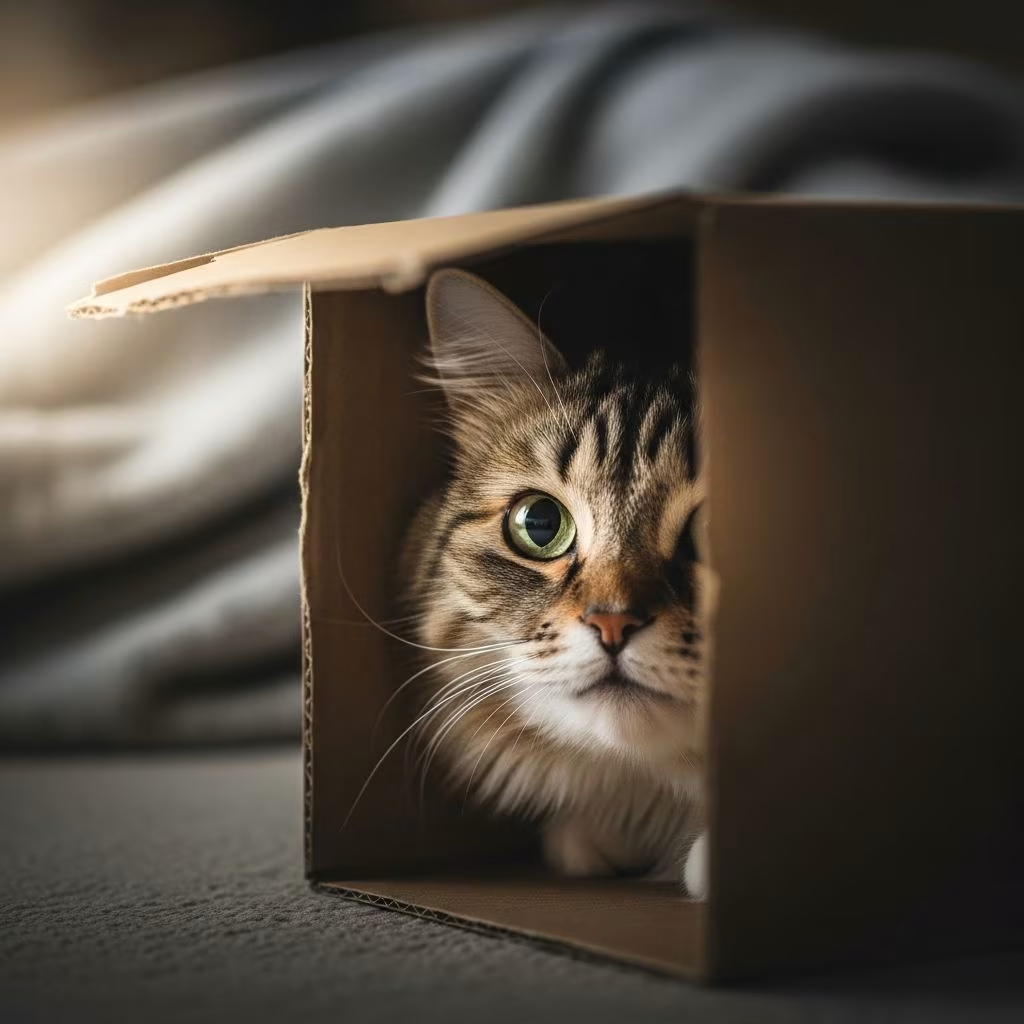
Cats frequently seek out cramped, shadowy corners like under beds, inside cabinets, or within cardboard boxes. This behavior stems from their evolutionary instincts as both predators and prey, providing a sense of security and control in their environment.
The Evolutionary Roots of Feline Hiding
In the wild, cats rely on concealment for survival. As ambush hunters, they hide to stalk prey undetected, while their small size makes them vulnerable to larger predators, prompting retreats into tight spaces where escape routes remain visible. Domestic cats retain these traits, even in safe homes. Studies and observations indicate that enclosed areas lower stress hormones, mimicking natural burrows or dens that offer protection.
This instinct persists because it fulfills core needs: observing surroundings without exposure, conserving energy during rest, and regulating overstimulation from household activity. Indoor cats, removed from true threats, still crave these spots for psychological comfort.
Everyday Motivations for Seeking Shelter
Normal hiding occurs daily as cats recharge. They select spots with one entry point for monitoring while feeling enclosed on other sides, ensuring they spot potential dangers first. Common triggers include:
- Rest and Solitude: Cats sleep up to 16 hours daily, preferring undisturbed nooks for deep relaxation.
- Sensory Overload: Play sessions or petting can overwhelm sensitive nerves, leading to sudden withdrawals.
- Exploration: Curiosity draws them into bags or furniture gaps, turning ordinary items into adventure zones.
These behaviors signal contentment, not avoidance. Providing options encourages trust, as cats emerge on their terms.
Stress and Anxiety: When Hiding Signals Trouble
While occasional retreats are healthy, prolonged or sudden increases may indicate distress. Cats mask vulnerability, hiding to self-soothe amid disruptions. Key stressors include:
- New pets, babies, or visitors altering territory dynamics.
- Loud sounds like vacuums, thunderstorms, or fireworks.
- Routine shifts from moves, travel, or schedule changes.
- Household conflicts, such as bullying in multi-cat homes.
In multi-pet settings, apply the “N+1 rule”: supply one extra litter box, food station, and bed per cat to minimize competition. Pheromone diffusers can mimic calming scents, reducing anxiety.
| Stress Trigger | Signs Beyond Hiding | Solutions |
|---|---|---|
| Visitors or Noise | Flattened ears, dilated pupils | Quiet zones, pheromone aids |
| New Household Member | Reduced appetite, vocalizing | Slow introductions, extra resources |
| Routine Changes | Overgrooming, litter avoidance | Maintain predictability, safe havens |
Health Concerns Masquerading as Hiding
Illness prompts isolation as cats instinctively withdraw to avoid predators spotting weakness. Watch for red flags if hiding exceeds 24 hours or pairs with:
- Appetite loss or skipped meals.
- Lethargy, hunched posture, or hiding in unusual spots.
- Litter box issues, vomiting, or excessive vocalization.
- Unusual aggression or overgrooming leading to bald patches.
Senior cats or those with chronic conditions hide more due to pain or cognitive decline. Prompt veterinary checks rule out issues like urinary problems, dental pain, or hyperthyroidism. Never force emergence; coax gently with food scents or toys.
Creating Safe and Enriching Hideouts
Enhance welfare by designing intentional retreats. Vertical spaces like cat trees with enclosed shelves suit ambush instincts, while ground-level boxes offer accessibility. Essentials for ideal spots:
- Enclosure: Three-sided coverage with an open view.
- Darkness and Quiet: Low-traffic areas away from appliances.
- Comfort: Soft bedding, warmth from heated pads.
- Accessibility: Multiple options at varying heights.
DIY options: Cut entry holes in boxes, stack tunnels, or use furniture voids safely. Cat-proof hazards like recliners or dryers by checking before use. In multi-cat homes, assign personal zones to prevent guarding.
Understanding Multi-Cat Dynamics
Competition amplifies hiding in shared spaces. Dominant cats claim prime areas, forcing others into suboptimal spots. Monitor for bullying signs like chasing or resource blocking. Solutions include:
- Sufficient litter boxes (N+1 formula).
- Separate feeding stations.
- High perches for observation without confrontation.
Gradual introductions for new cats prevent territorial stress, allowing natural hierarchies to form peacefully.
Age-Specific Hiding Patterns
Kittens hide playfully during exploration, building confidence. Adults balance hunting simulations with rest. Seniors seek security amid mobility loss or confusion, preferring low-effort spots. Tailor environments: ramps for elderly access, stimulating toys for youth.
FAQs: Common Questions on Cat Hiding
Is it normal for my cat to hide under the bed daily?
Yes, if they eat, play, and use the litter normally. It’s a favored secure nap spot.
What if my cat hides and won’t eat?
Seek vet care immediately; it may indicate pain or illness.
How can I encourage my cat out of hiding?
Use treats, toys, or laser pointers nearby without forcing interaction. Patience builds trust.
Do all cats need hiding spots?
Absolutely; they reduce stress and promote choice in behavior.
Why does my cat hide during thunderstorms?
Fear of loud noises triggers flight response; provide muffled, dark shelters.
Building a Stronger Bond Through Respect
Respecting hiding fosters security, leading to more affectionate interactions. Avoid punishment for retreats; instead, observe patterns to address root causes. Enriched environments with ample choices transform hiding from evasion to empowerment, enhancing feline happiness.
Monitor changes diligently, blending instinctual respect with proactive care for thriving companions.
References
- Why Does Your Cat Keep Disappearing? The Psychology Behind Hiding — Happy and Polly. 2023. https://happyandpolly.com/blogs/cat/why-does-your-cat-keep-disappearing-the-psychology-behind-hiding
- Why Every Cat Needs Hiding Places — Cat Behavior Associates. 2023. https://catbehaviorassociates.com/why-every-cat-needs-hiding-places/
- 7 Reasons Your Cat Is Hiding & How To Help — Cats.com. 2024. https://cats.com/cat-hiding-under-bed
- Why Is My Cat Hiding? — PetMD. 2024-02-17. https://www.petmd.com/cat/behavior/why-is-my-cat-hiding
- Why Is My Cat Hiding? Is This Normal? — Chewy. 2023. https://www.chewy.com/education/cat/training-and-behavior/why-is-my-cat-hiding
- Hiding Behavior in Cats — Feline Behavior Solutions. 2023. https://felinebehaviorsolutions.com/hiding-behavior-in-cats/



