

Why Do Cats Loaf? Understanding This Adorable Feline Behavior
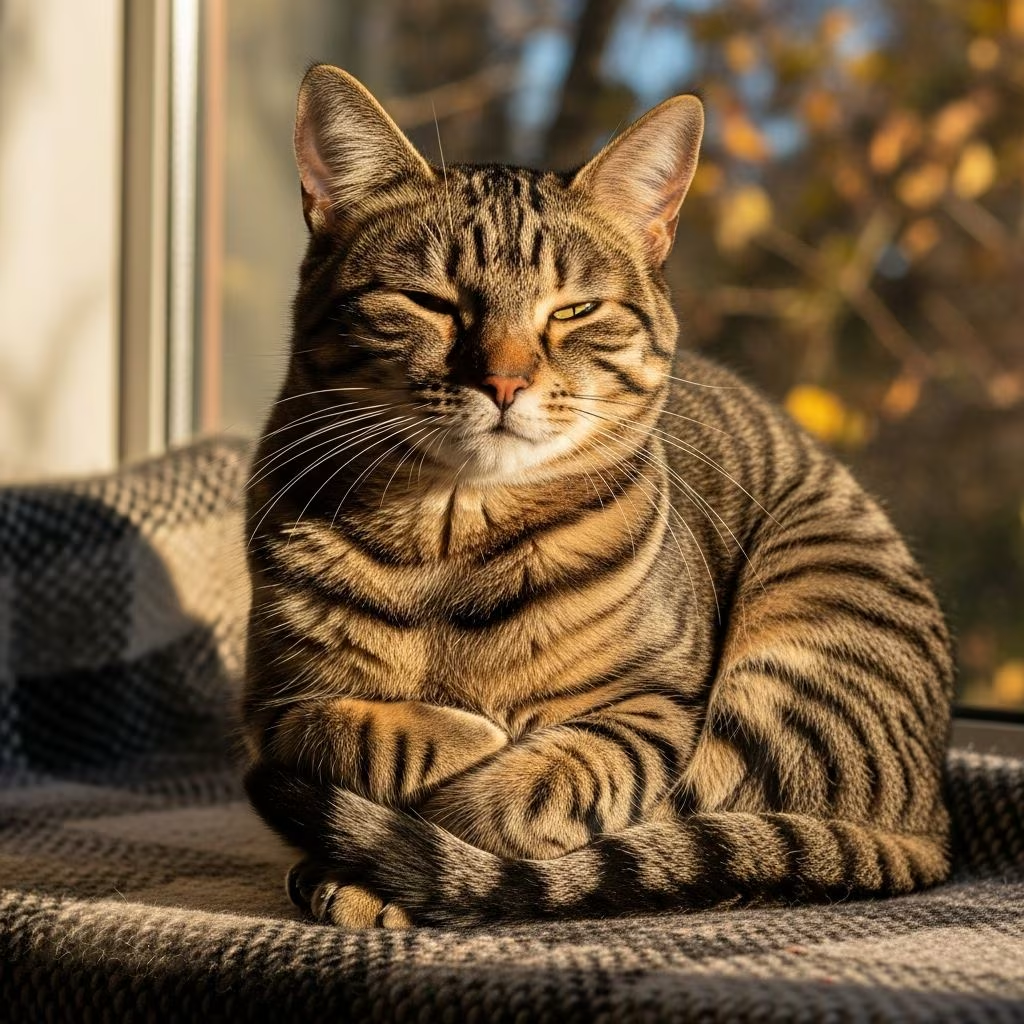
If you’ve ever noticed your cat sitting with all four paws tucked neatly beneath their body, you’ve witnessed the charming phenomenon known as “cat loafing.” This distinctive sitting position, where a cat resembles a loaf of bread or a sphinx, is one of the most endearing behaviors cat owners encounter. But beyond its cuteness factor, cat loafing carries significant meaning about your feline companion’s emotional and physical state. Understanding why cats loaf can help you better interpret your pet’s needs and well-being.
What Is a Cat Loaf?
The cat loaf position is precisely what the name suggests: a cat tucks all four paws and sometimes their tail underneath their body, creating a rounded, compact silhouette. This posture causes the cat to resemble a loaf of bread sitting in a pan, which is how the behavior earned its charming name. The position may appear in slight variations, such as with a visible tail or with front paws slightly extended, but the core characteristic remains the same—the cat’s limbs are tucked underneath rather than extended outward.
There are several recognized variations of the loaf position. The Sprouted Loaf features hind legs fully tucked with one or both front legs outstretched, creating a statue-like appearance. The Sourdough Loaf, by contrast, shows a cat crouched upon their front and back legs, ready to spring into action at any moment rather than in a fully relaxed state.
Why Do Cats Loaf? The Main Reasons
Relaxation and Contentment
The most common reason cats loaf is simply because they feel relaxed and content in their surroundings. When a cat assumes the loaf position, they’re typically indicating a state of comfort similar to how a person settles into a reclining chair. Cats that loaf in this peaceful manner often display additional signs of happiness, such as purring or slow blinking—behaviors that demonstrate trust and affection toward their owners. Your cat’s willingness to loaf in your presence suggests they feel safe and comfortable in your home.
Thermoregulation and Warmth
Cats naturally seek to conserve body heat, and the loaf position serves this purpose efficiently. A cat’s feet and lower legs have minimal fat coverage, making them vulnerable to losing heat quickly, much like human fingers and toes. By tucking their paws underneath their body, cats protect these sensitive extremities from cold exposure and maintain their core body temperature more effectively. You’ll often notice your cat loafing more frequently during winter months or in cooler environments. Interestingly, cats have a thermoneutral zone—the ideal temperature range where they expend no energy to cool off or warm up—between 85 and 100 degrees Fahrenheit.
Security and Protection
Although the loaf position appears to be a resting stance, it simultaneously provides security and readiness. The loaf position allows cats to protect their vital organs and sensitive underbelly from potential threats while still maintaining the ability to spring into action quickly if needed. This defensive characteristic explains why veterinarians frequently observe cats loafing during medical examinations—the position offers both physical protection and psychological comfort when cats feel vulnerable or threatened. Cats in multi-pet households may also adopt the loaf position as a protective stance when interacting with more dominant housemates.
Illness or Injury
While loafing usually indicates contentment, this behavior can sometimes signal discomfort or health issues. Cats experiencing pain or internal distress may loaf as a way to protect affected areas or ease their discomfort. A variation called the “meatloaf position,” where a cat’s head is down on the ground with front paws extended, has been associated with kidney disease and other health concerns. If your cat displays a loaf position with an arched back, tucked head, and other symptoms of illness such as hiding, loss of appetite, lethargy, or vomiting, it’s essential to consult a veterinarian promptly.
Different Types of Cat Loaves and What They Mean
| Loaf Type | Position Description | What It Indicates |
|---|---|---|
| Classic Loaf | All four paws tucked underneath, rounded body | Relaxation and contentment in comfortable surroundings |
| Sprouted Loaf | Hind legs tucked, one or both front legs extended | Partial alertness; ready to move but still relaxed |
| Sourdough Loaf | Crouched on all legs, not fully tucked | Active readiness; prepared to spring up immediately |
| Face-Down Loaf | Head resting on ground, body tucked | Deep relaxation or potential health concern if persistent |
| Protective Loaf | Arched back, tucked position, ears back | Fear, anxiety, or illness requiring veterinary attention |
Body Language and Context Clues
Understanding your cat’s loaf position requires attention to accompanying body language and environmental context. A cat loafing in a sunny windowsill with relaxed facial features and slow blinks is clearly expressing contentment and security. Conversely, a cat loafing while observing a potential threat or displaying flattened ears and tense muscles may be adopting a cautious, ready stance.
When your cat loafs and stares at you, they’re likely displaying a combination of relaxation and social interest. Some cats may check in with their owners while loafing nearby, either patiently waiting for attention or simply enjoying shared quiet time. This behavior often indicates that your cat feels comfortable enough in your presence to relax while still maintaining awareness of you.
When to Be Concerned About Loafing
While cat loafing is typically normal behavior, certain situations warrant veterinary attention. If your cat loafs excessively in an arched position with their head tucked downward, especially when accompanied by other symptoms of illness, contact your veterinarian. Warning signs to watch for include:
– Persistent loafing in unusual locations- Loss of appetite or changes in eating habits- Lethargy or excessive sleeping- Hiding more than usual- Vomiting or digestive issues- Reluctance to move or play- Changes in litter box habits
These symptoms, combined with abnormal loafing behavior, could indicate underlying health issues requiring professional evaluation.
Creating a Loaf-Friendly Environment
To encourage your cat’s natural loafing behavior and ensure their comfort, provide appropriate spaces where they feel safe and relaxed. Comfortable beds, blankets, and furniture allow your cat to loaf in comfort. Sunny windowsills are particularly appealing to cats, offering warmth and entertainment through outdoor views. Creating quiet, undisturbed spaces where your cat can retreat and loaf without interruption supports their emotional well-being and demonstrates that you respect their need for rest and security.
Temperature and Loafing Patterns
You may notice seasonal variations in your cat’s loafing behavior. During colder months, cats loaf more frequently to conserve body heat effectively. Conversely, when temperatures rise, cats may adopt a full-spread lounging position with limbs extended, allowing maximum heat dissipation and cooling. These natural temperature-regulation behaviors demonstrate your cat’s instinctive ability to maintain optimal comfort based on environmental conditions.
Frequently Asked Questions About Cat Loafing
Q: Is cat loafing always a sign that my cat is happy?
A: While loafing typically indicates relaxation and contentment, it isn’t always a sign of happiness. Context matters significantly. A cat loafing in a warm, comfortable spot with relaxed body language is likely expressing contentment. However, a cat loafing with tension, arched back, or accompanying illness symptoms may be experiencing fear, stress, or physical discomfort. Always consider the complete picture of your cat’s behavior and environment.
Q: How can I tell the difference between a comfortable loaf and a protective loaf?
A: Comfortable loafs typically feature a relaxed facial expression, normal ear position, soft eyes, and often purring or slow blinking. Protective loafs display flattened or backward-facing ears, tense facial muscles, alert or dilated pupils, and the cat may lean away from perceived threats. The environment also provides clues—a cat loafing peacefully indoors differs from one loafing while observing potential danger.
Q: Should I be worried if my cat loafs all day?
A: Cats sleep 12 to 16 hours daily, and loafing is a common resting position, so frequent loafing isn’t inherently concerning. However, if your cat loafs excessively while showing other changes in behavior, appetite, or bathroom habits, consult your veterinarian. Sudden changes in loafing behavior warrant professional evaluation.
Q: Do all cats loaf?
A: Most cats loaf at some point, but individual preferences vary. Some cats favor loafing, while others prefer curling into a ball or stretching out. Personality, comfort level, temperature preferences, and past experiences influence whether a cat frequently adopts the loaf position. If your cat rarely loafs but shows no signs of illness or stress, this is likely just their personal preference.
Q: What does it mean when my cat loafs and kneads?
A: Kneading—the repetitive pushing motion with front paws—typically indicates contentment and relaxation. When combined with loafing, it suggests your cat feels particularly comfortable and is possibly reminiscing about kittenhood comfort from nursing. This behavior often accompanies purring and represents deep relaxation and affection.
Q: Can loafing indicate pain?
A: Yes, in some cases. While normal loafing suggests comfort, loafing with an arched back, tucked head, and other pain indicators like reduced movement or behavioral changes can signal discomfort or illness. If you suspect pain, observe additional symptoms and contact your veterinarian for professional assessment.
Conclusion
Cat loafing represents one of the most delightful and meaningful behaviors in feline communication. This charming sitting position typically reflects your cat’s contentment, relaxation, and sense of security in their environment. By understanding the various reasons cats loaf—from thermoregulation to emotional comfort—you gain deeper insight into your feline companion’s inner world. While loafing is generally a positive sign, remaining attentive to changes in this behavior and accompanying symptoms ensures you can respond promptly to any health concerns. Whether your cat loafs frequently or occasionally, this endearing behavior reinforces the special bond between humans and their feline friends, demonstrating trust and comfort in your shared home.
References
- Why Do Cats Sit Like a Loaf of Bread? Is This Normal? — Chewy. 2024. https://www.chewy.com/education/cat/training-and-behavior/why-do-cats-loaf
- Why Do Cats Loaf? — Dutch. 2024. https://www.dutch.com/blogs/cats/why-do-cats-loaf
- Why Do Cats Loaf? — PetMD. 2024. https://www.petmd.com/cat/behavior/why-do-cats-loaf
- Why Do Cats Look Like Loaves of Bread Sometimes? We Asked a Cat Scientist — Inverse. 2017. https://www.inverse.com/article/38682-why-do-cats-look-like-loaves-of-bread
- The Cat Loaf: What Is It and Why Do Cats Do It? — Hill’s Pet Nutrition. 2024. https://www.hillspet.com/cat-care/behavior-appearance/what-is-a-cat-loaf
- Cat Loaf Position: Meaning and Interpretation — Darwin’s Pet. 2024. https://www.darwinspet.com/blogs/pet-behavior/cat-low-position-meaning-and-interpretation



