

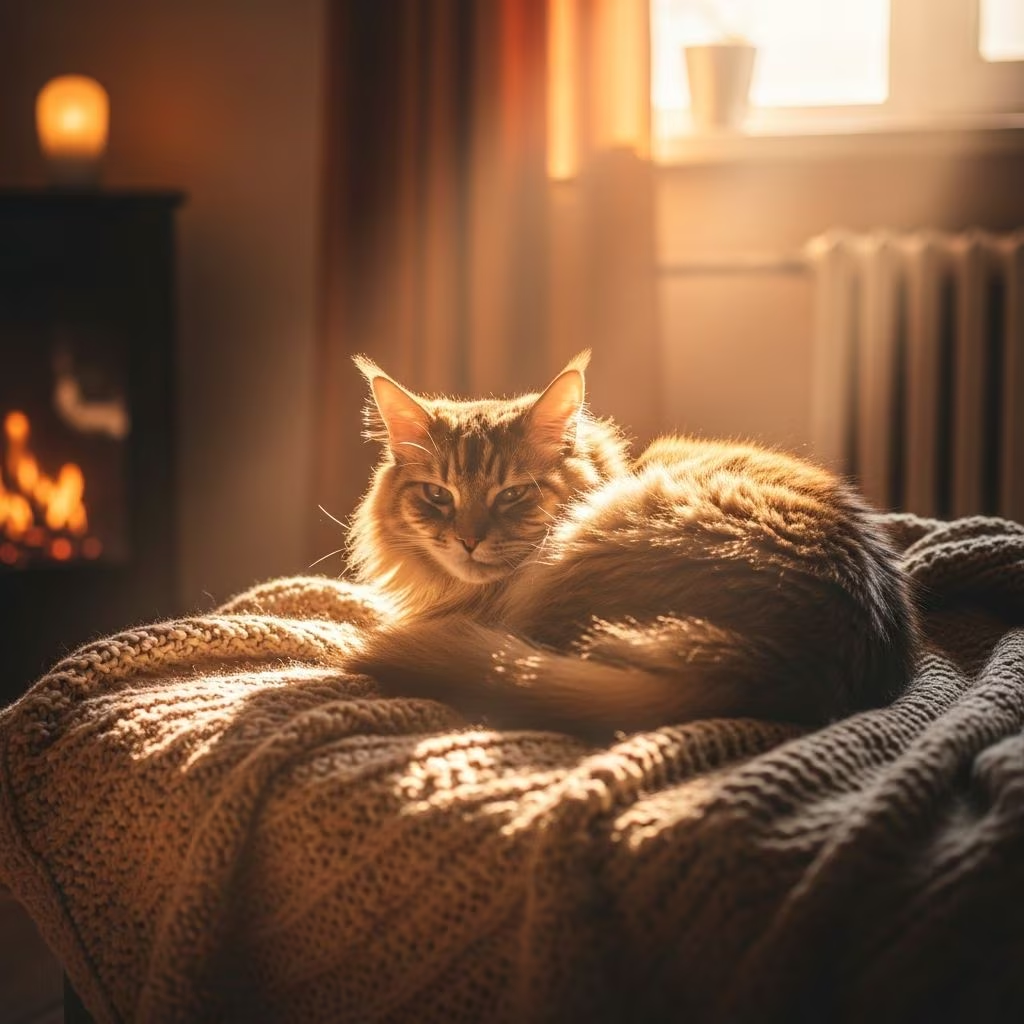
Why Do Cats Like Warm Things So Much? 6 Vet-Reviewed Reasons
Have you ever noticed your cat curling up next to the heater, basking in a sunbeam, or demanding to sit on your lap while you’re trying to work? This behavior is so common among felines that it might seem like second nature. However, the reasons behind your cat’s obsession with warm places are far more complex and scientifically fascinating than you might initially think. Understanding why your cat loves warmth can help you provide better comfort and ensure their safety.
Cats are notorious for their love of warm environments, and this preference isn’t simply about comfort—it’s deeply rooted in their biology, instincts, and evolutionary history. The answer to why cats seek out warmth is complicated, as they are drawn to warm places for a multitude of reasons. Whether it’s an air vent, a heating pad, your body, or a sunny windowsill, your cat will find it and claim it as their favorite spot.
The 6 Reasons Why Cats Like Warm Things So Much
1. Evolutionary Background
The domesticated cat is a descendant of wild desert cats that originated in Egypt during the Neolithic and Classical periods. If you understand anything about life in desert environments, you know that temperatures soar during the day and plummet at night. These ancient wildcats had to survive and thrive in extreme temperatures, which shaped their physiology and behavior in profound ways.
Like their Egyptian ancestors, domesticated cats are genetically wired to seek warmth. They are fundamentally made to thrive in heat, which is why they instinctively pursue warm things such as sunbeams, warm air vents, and even your body. This evolutionary adaptation remains deeply embedded in your modern house cat’s DNA, even though they now live in climate-controlled homes far removed from the arid deserts of their ancestors.
Research into ancient cat DNA from around the world has revealed that cat domestication began in the Fertile Crescent during the Neolithic period and accelerated later in ancient Egypt. These origins in hot, arid regions have left an indelible mark on the species, making warmth-seeking an ingrained behavioral trait that persists across all domesticated cats today.
2. Instincts
While you may think you are simply a source of warmth to your cat, their instincts run much deeper than that. Warmth-seeking is fundamentally tied to survival—a primal behavior that has kept cats alive for thousands of years. Understanding these instincts provides valuable insight into your cat’s behavior and emotional needs.
Newborn kittens are unable to regulate their own body temperature during the first 2–3 weeks of life. During this critical period, they instinctively huddle together with their littermates and rely entirely on their mother’s body heat to survive. This complete dependence on warmth for survival during infancy likely leaves a lasting psychological imprint on cats, making them naturally drawn to warmth and close contact even as independent adults.
In the wild, warmth also means safety and security. Conserving body heat reduces the risk of hypothermia and allows a cat to preserve energy for hunting or defending itself from predators. Your cat curling up against you or in a sunny spot is, in part, an echo of those ancient survival instincts that have been passed down through generations. This behavior reflects their need for both physical comfort and emotional security.
3. Cold
While cats may have complicated reasons for seeking warm places, sometimes the simplest explanation is the right one: they’re cold. Cats seek warmth just like any other animal when they experience lower temperatures. This basic thermoregulatory behavior can cause you to find them in surprisingly odd places, such as right next to heaters or perched on top of warm air vents.
A cat’s normal body temperature ranges from 100.4°F to 102.5°F (38°C to 39.2°C), which is significantly higher than the human body temperature of 97.7°F to 99.5°F (36.5°C to 37.5°C). This means cats naturally prefer environmental temperatures that feel warm to humans, and they will actively seek out heat sources when they feel chilly. Room temperatures that are comfortable for humans may actually feel cold to your feline companion.
However, you do need to be careful when your cat seeks warmth. Cats’ insulated fur coat can cause them to get too hot without fully realizing it, especially when they’re in close proximity to heaters or heat sources. When cats become overheated, they can experience serious health problems, such as heatstroke, which can be life-threatening. Always monitor your cat’s access to extreme heat sources and ensure they have cooler areas to retreat to if needed.
4. Illness
Sometimes, the fact that cats search for warmth is completely natural and just part of their normal instincts. However, if your cat is acting strange and tends to lie around significantly more than usual, they could be sick. Many illnesses in cats cause them to sleep more frequently or to have problems regulating their body temperature—the same response that happens in humans and other creatures when they’re ill.
When cats are sick, they often seek out warm environments as part of their natural healing process. By staying warm and resting, they allow their bodies to use energy for fighting off illness and healing rather than moving around and expending precious resources. If you notice your normally active cat spending excessive time in warm spots and showing other signs of illness, such as loss of appetite, lethargy, or behavioral changes, it’s important to schedule a veterinary visit promptly.
Pay attention to changes in your cat’s warmth-seeking behavior, as this can be an early indicator of health issues. If your cat suddenly becomes more interested in warm places or seems to prefer staying still in warm spots more than usual, combined with other unusual behaviors, it may be a sign that your cat needs medical attention.
5. Getting Older
Cats age just like humans do, and aging brings significant changes in how their bodies function. Like older people, senior cats tend to spend more time lying around and not wasting precious energy when they reach their golden years. Elderly cats have increasing difficulty regulating their body temperature, which naturally makes them seek out warm places more frequently.
As cats age, their metabolism slows down and their ability to maintain a consistent body temperature diminishes. This is why you’ll often find your senior cat seeking warmer spots more persistently than they did in their younger years. These warm havens might include your legs, your lap, a heated bed, or a sunny windowsill. If you notice your otherwise healthy senior cat seeking more warm spots, it could simply mean they’re growing older and experiencing normal age-related changes—nothing to worry about, but definitely something to accommodate.
Supporting your aging cat’s need for warmth is an important part of senior cat care. Consider providing heated cat beds, ensuring sunny spots are accessible, and allowing your older cat extra lap time if they seek it. These accommodations can significantly improve your senior cat’s comfort and quality of life in their later years.
6. Habit
Your pet cat could honestly just be used to sitting in a certain spot because it’s warm, and now they simply prefer that location. Cats are creatures of habit and routine, and they tend to stick to their established schedules with remarkable consistency. What may have started as just a warm spot to sit during colder weather could now be considered one of their favorite spots, regardless of temperature.
Like humans, cats crave familiarity and predictability in their environment. Once they’ve established a comfortable routine—whether it’s napping on the sunny couch in the afternoon or sleeping on the heated blanket at night—they tend to repeat these patterns faithfully. This habitual behavior provides cats with a sense of security and control over their environment, which is psychologically important for their well-being.
Understanding that some of your cat’s warmth-seeking behavior is simply habitual can help you appreciate their personality and preferences. Rather than always attributing it to biological needs, recognize that your cat may have developed genuine preferences for certain warm spots simply because they’ve become part of their daily routine.
Understanding Your Cat’s Body Temperature Needs
A fascinating aspect of feline behavior is that cats are comfortable in room temperatures approximately 14°C (25°F) warmer than what is comfortable for humans. If there isn’t a convenient sunbeam to lie in, they will actively search for alternative heat sources. This significant temperature preference difference explains why you might feel comfortable in a room while your cat is seeking warmth elsewhere.
Cats achieve their higher body temperature through a faster metabolism compared to humans. Their bodies produce more heat per unit of time, which allows them to maintain their elevated body temperatures even in environments that feel cold to us. This metabolic difference is one reason why cats can appear unaffected by temperatures that make humans uncomfortable, while simultaneously seeking out warmth that humans would find excessive.
The Psychological Comfort of Warmth
Beyond the biological aspects, warmth also provides psychological comfort for cats. It offers a sense of security and well-being, much like how a cozy blanket on a chilly evening feels comforting to humans. When your cat seeks out warmth, they’re essentially saying “this feels like home” and creating a sanctuary where they feel safe and content.
The connection between warmth and emotional comfort likely stems from their early experiences as kittens, when their mother’s warmth meant safety, nourishment, and survival. This association between warmth and security becomes deeply ingrained in a cat’s psyche, making warm environments inherently soothing throughout their entire lives.
Safety Considerations for Warm-Seeking Cats
While it’s natural and healthy for cats to seek warmth, there are important safety considerations to keep in mind. One significant concern is that a cat’s insulated coat can trap heat, potentially allowing them to become overheated without realizing it. This is particularly dangerous near space heaters, fireplaces, or other direct heat sources.
- Never leave your cat unsupervised near space heaters or fireplaces
- Ensure your cat has access to cooler areas where they can retreat if they become too hot
- Watch for signs of overheating, including excessive panting, drooling, or lethargy
- Provide fresh water at all times, especially near warm areas where your cat rests
- Consider using heated cat beds with automatic shut-off features for safety
Creating Optimal Warm Spaces for Your Cat
To support your cat’s natural affinity for warmth while keeping them safe, you can create designated warm spaces throughout your home. Window perches positioned in sunny areas allow your cat to bask in natural warmth during the day. Heated cat beds provide safe, controlled warmth during cooler months or for senior cats that need extra comfort.
Consider the placement of furniture to maximize sunlight exposure, provide blankets on favorite resting spots, and maintain comfortable indoor temperatures that work for both you and your feline companion. Your cat will appreciate the thought you put into creating warm, inviting spaces throughout your home.
Frequently Asked Questions (FAQs)
Q: Is it normal for my cat to constantly seek warm places?
A: Yes, this is completely normal cat behavior rooted in their evolutionary history and biological needs. However, if your cat suddenly changes their behavior or seeks warmth excessively while showing other signs of illness, consult your veterinarian.
Q: Can my cat get too hot from lying near heaters?
A: Yes, cats can overheat, especially since their insulated fur can trap heat without them realizing it. Monitor your cat near heat sources and ensure they have access to cooler areas to prevent heatstroke.
Q: Why does my older cat seek warmth more than my younger cat?
A: Senior cats have difficulty regulating their body temperature as they age, making them naturally seek warmth more frequently. This is a normal part of aging and not necessarily a cause for concern unless accompanied by other symptoms.
Q: Should I be concerned if my cat lies in warm spots all day?
A: Not necessarily. If your cat is eating, drinking, using the litter box normally, and shows no other signs of illness, frequent lounging in warm spots is likely just their preference. However, if behavior changes suddenly or other symptoms develop, contact your vet.
Q: How can I tell if my cat is seeking warmth due to illness?
A: Watch for additional signs such as increased sleeping beyond normal, loss of appetite, behavioral changes, or reluctance to move. A sudden increase in warmth-seeking combined with other symptoms warrants a veterinary visit.
Conclusion
Cats love warm places for many interconnected reasons, from their evolutionary heritage in hot desert climates to current health status and age-related needs. Their affinity for warmth can stem from being sick, growing older, simply being cold, or just loving their owners and seeking comfort through physical contact. Understanding these reasons helps you better care for your feline companion and appreciate their seemingly endless search for the perfect warm spot.
Remember that while your cat cuddling up to a heater or other warm source is endearing, it can potentially be dangerous due to their insulated coat. Their fur can trap heat and cause them to get too hot without realizing it, potentially leading to health issues like heatstroke. Always monitor your cat’s access to heat sources and watch for signs that they might be overheating.
If you notice your cat acting off and lounging significantly more often than usual, combined with other behavioral changes, it may be time for a veterinary visit. Your vet can rule out underlying health issues and provide guidance on keeping your warm-loving feline safe and comfortable. By understanding your cat’s need for warmth and providing safe, comfortable warm spaces, you’ll be supporting their physical health and emotional well-being.
References
- Why Do Cats Like Warm Things So Much? 6 Vet-Reviewed Reasons — Catster. 2024. https://www.catster.com/cat-behavior/why-do-cats-like-warm-things/
- Here’s Why Cats Like to Hang Out in the Warmest Areas of Our Homes — Greater Good. 2024. https://greatergood.com/blogs/news/cat-bed-warmed-up
- Why Do Cats Love the Heat? Feline Behavior Explained — Brown Vet Hospital. 2024. https://brownvethospital.com/blog/cats-love-heat/
- Do intense weather events influence dogs’ and cats’ behavior — National Center for Biotechnology Information (NIH). 2022. https://pmc.ncbi.nlm.nih.gov/articles/PMC9480616/
- 6 Common Cat Behaviors Explained — UC Davis Magazine. 2024. https://www.ucdavis.edu/magazine/6-common-cat-behaviors-explained



