

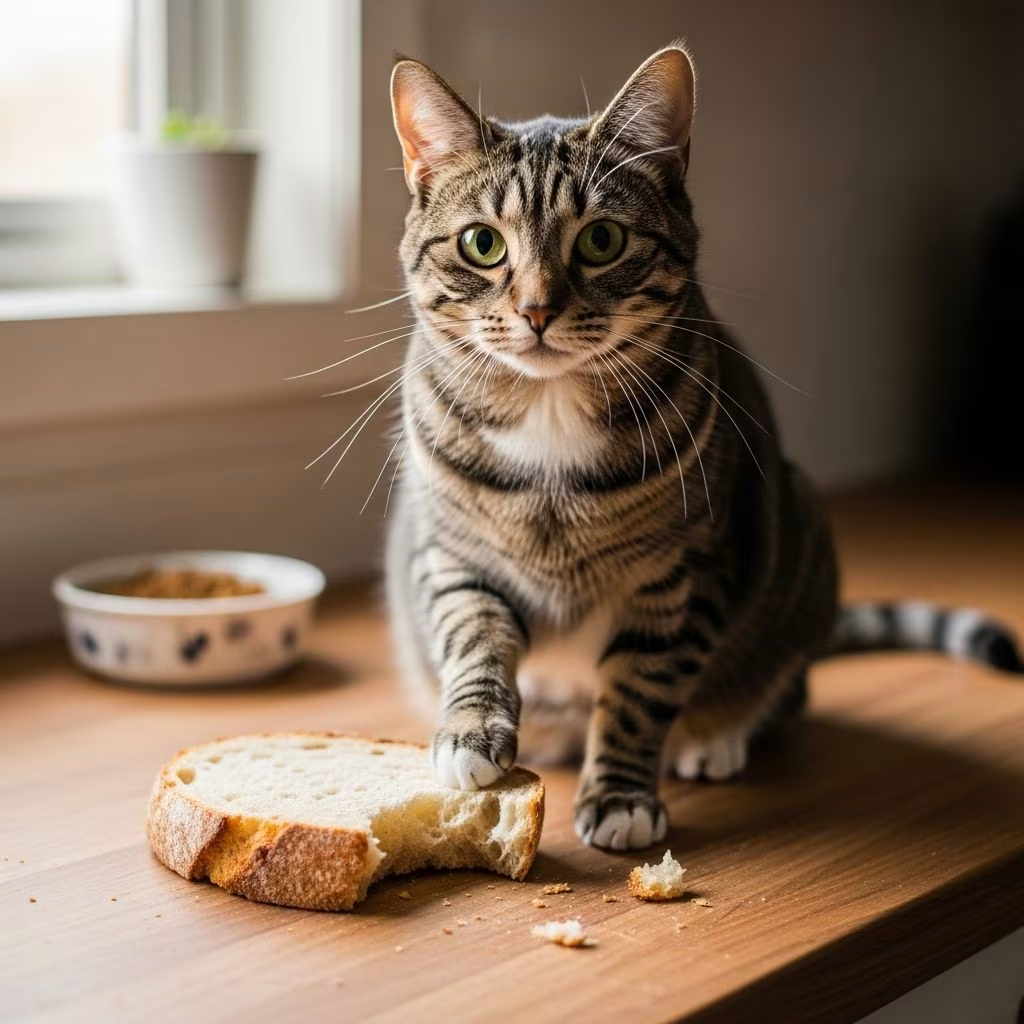
Why Do Cats Like Bread? Understanding Your Cat’s Curious Appetite
Cats are fascinating creatures with unique personalities and preferences that often perplex their owners. While bread is not something your cat would naturally encounter in the wild, many feline companions seem inexplicably drawn to this baked staple. Some cats appear absolutely obsessed with bread, while others show little to no interest. Understanding why your cat is attracted to bread can help you make informed decisions about their diet and keep them healthy.
The appeal of bread to cats remains a topic of curiosity for pet owners everywhere. Unlike their wild ancestors, domestic cats have access to human foods that trigger their interest for various reasons. While a small piece of plain bread won’t cause immediate harm, it’s crucial to understand both why cats like bread and whether it should have a place in their diet.
The 4 Possible Reasons Why Cats Love Bread
1. They Like the Smell
The aroma of fresh bread is unmistakably appealing to humans, and many cats seem to share this appreciation. When bread comes out of the oven, the smell can be absolutely captivating. Your cat’s sense of smell is significantly more developed than humans’, making aromatic foods particularly enticing to them.
Some pet owners attribute their cat’s bread obsession specifically to the smell of yeast. While this theory circulates frequently among cat lovers, it’s important to note that no scientific research currently supports this claim. Regardless of which specific ingredient in bread smells most appealing to your cat, the bottom line remains the same: the scent plays a significant role in attracting many felines to bread.
Your cat’s incredible olfactory system means they’re picking up on aromatic compounds that make bread irresistible. The combination of warm, yeasty, and toasty scents creates an olfactory experience that triggers their curiosity and appetite.
2. They Like the Texture
Just as humans have preferences for how food feels in their mouth, cats also have distinct texture preferences. Some types of bread are hard and crunchy, while others are soft, pillowy, and buttery. Your cat’s attraction to bread may have more to do with how it feels than how it smells.
If you’ve noticed your cat prefers one type of bread over another, texture is likely the culprit. A cat that ignores a soft Wonder Bread but goes crazy for a crispy baguette is probably responding to textural differences. Cats enjoy variety in their sensory experiences, and bread offers multiple texture options depending on the type.
Some cats particularly enjoy the contrast between a crusty exterior and a soft interior. Others might prefer the uniform softness of a sandwich bread. By observing which breads your cat shows interest in, you can better understand their textural preferences in food.
3. The Sound Is Interesting
Cats are naturally curious animals that find stimulation in unexpected places. The distinctive crunch of certain breads can be fascinating to cats, providing auditory feedback as they bite and chew. This sensory element adds another dimension to their eating experience.
When your cat bites into a crunchy piece of bread, the sound it makes engages their hunting instincts and natural curiosity. This auditory stimulation can be as appealing as the smell or taste. However, not all bread has a signature crunch—soft breads won’t provide this stimulation.
If you’ve observed that your cat only pursues crunchy bread varieties and ignores softer options, sound is likely a primary factor in their bread attraction. The crackle and snap of a crispy crust can be inherently entertaining for a curious feline.
4. It’s in Reach
Cats are opportunistic feeders with a remarkable ability to access food. Bread sitting on a kitchen counter represents an easy target for a determined cat. A thin plastic bag is no match for a motivated feline who wants what’s inside.
The accessibility of bread makes it an attractive target simply because it’s available. Your cat might not actually be in love with bread—they might simply be in love with food in general, and bread happens to be one of the easiest items for them to reach. Cats are excellent at navigating kitchen counters and will happily work their way through packaging to reach their goal.
This opportunistic nature is a survival instinct. In the wild, cats eat what they can find and access easily. Your kitchen counter bread, therefore, triggers basic predatory and feeding behaviors, making it seem far more appealing than it actually is.
Should Cats Eat Bread?
While occasional bread consumption won’t cause immediate harm to your cat, bread is far from an ideal food choice. Understanding the nutritional implications of bread for cats is essential for responsible pet ownership.
Nutritional Concerns
Bread represents what nutritionists call “empty calories”—calories devoid of nutritional value. These carbohydrate-based calories provide energy but no vitamins, minerals, or proteins that benefit your cat’s health. Since cats are obligate carnivores, they derive essential nutrients exclusively from animal products.
Cats have no biological need for carbohydrates. While grains and carbohydrates appear in commercial cat foods as sources of fiber and filler, they should never be the primary focus of your cat’s diet. Unlike humans, cats cannot efficiently digest or utilize carbohydrates from plant sources.
When you feed your cat bread, you’re essentially adding calories without nutritional benefit. This is particularly problematic because excess calories without accompanying nutrients can contribute to weight gain and obesity, serious health concerns in domestic cats.
Potential Dangers and Toxic Ingredients
Plain bread in small quantities is non-toxic to cats. However, many bread varieties contain ingredients that are dangerous or toxic to felines. You must carefully examine bread ingredients before offering any to your cat.
Ingredients to avoid:
- Garlic — Highly toxic to cats and can cause serious health problems
- Onions — Also toxic to cats and present in some bread varieties
- Chocolate — Dangerous for cats, occasionally found in specialty breads
- Raisins — Toxic to cats and sometimes included in sweet breads
- Yeast (raw dough) — Raw, unbaked dough can expand in a cat’s stomach, causing blockages and serious digestive issues
Raw yeast deserves special attention. If your cat consumes raw bread dough, the yeast can continue to rise in their stomach and intestines, potentially causing a dangerous blockage. This is a medical emergency requiring immediate veterinary attention.
Safe Bread Feeding Guidelines
If you absolutely must give your cat bread, follow these strict guidelines:
- Only offer plain bread with no added ingredients
- Ensure the bread is fully cooked—never raw dough
- Give only a tiny piece—a couple of small nibbles at most
- Limit frequency to occasionally, not regularly
- Always read the entire ingredient list first
- Never feed your cat large amounts in one sitting
A couple of nibbles of plain bread throughout the week is the maximum most veterinarians recommend. Even this should be considered an occasional treat rather than a regular part of your cat’s diet.
Better Alternative Treats for Your Cat
Instead of offering bread, numerous healthier options exist that will delight your cat while providing actual nutritional benefits. Here are veterinarian-approved alternatives:
1. Catnip
Catnip is one of the most popular treats for cats, and for good reason. This herb is entirely safe and non-toxic, and most cats respond enthusiastically to it. Catnip activates pleasure receptors in your cat’s brain, creating a mellowing, relaxing effect.
When cats encounter catnip, they often roll around, zone out, and display contentment. The experience is enriching and provides mental stimulation. Unlike bread, catnip offers entertainment value alongside the interaction with their owner. Most cats absolutely adore catnip, making it an excellent treat choice.
2. Plain Cooked Chicken
If you’re looking for a more substantial treat, plain boiled chicken is an excellent choice. Chicken is protein-rich, contains no carbohydrates, and provides genuine nutritional value. A small piece of plain cooked chicken is far superior to bread in every nutritional aspect.
Ensure the chicken is cooked thoroughly, contains no added seasonings, and has been removed of all bones. This treat satisfies your cat’s carnivorous instincts while supporting their health.
3. Commercial Cat Treats
Many high-quality commercial cat treats are formulated specifically for feline nutrition. Look for treats that are protein-based and nutritionally balanced. Reading ingredient labels helps ensure you’re selecting quality products without unnecessary fillers or toxic ingredients.
4. Species-Appropriate Foods
The best treats are those that align with your cat’s natural carnivorous diet. Consider treats made from:
- Freeze-dried meat
- Fish treats
- Meat-based treats
- Organ meats (liver, hearts)
These options provide actual nutritional value while satisfying your cat’s instinctual dietary needs.
Understanding Your Cat’s Dietary Needs
Cats have specific nutritional requirements that differ significantly from humans or even dogs. Understanding these needs helps you make better decisions about what your cat should eat.
Cats require a diet that is:
- High in animal protein
- Rich in essential vitamins including A, D, B1, B2, B3, and B6
- Mineral-rich, containing iron, sodium, calcium, chloride, and magnesium
- Containing appropriate levels of healthy fats
- Low in unnecessary carbohydrates
These nutrients are best derived from animal products. While commercial cat foods may contain grains, these serve primarily as inexpensive fillers rather than nutritional necessities. Your cat can thrive perfectly well without grain-based foods when they receive quality, protein-based nutrition.
Frequently Asked Questions (FAQs)
Q: Is bread completely toxic to cats?
A: No, plain bread is not toxic to cats. However, it offers no nutritional benefit and some bread varieties contain toxic ingredients like garlic, onions, chocolate, or raisins. Raw yeast dough is particularly dangerous as it can expand in the cat’s stomach.
Q: How much bread can I safely give my cat?
A: Only a couple of tiny nibbles throughout the week, and only plain, fully-cooked bread. Most veterinarians recommend avoiding bread altogether and choosing nutritious alternatives instead.
Q: Why does my cat seem obsessed with bread?
A: Your cat may be attracted to bread due to its smell, texture, sound, or simply because it’s easily accessible. The specific reason depends on your individual cat’s preferences.
Q: Can cats eat whole wheat bread?
A: Whole wheat bread is non-toxic like regular bread, but it’s still not nutritionally beneficial for cats and should be avoided. Stick with protein-based treats instead.
Q: What should I do if my cat eats raw bread dough?
A: Contact your veterinarian immediately. Raw dough can expand in the cat’s stomach, causing dangerous blockages and other serious health complications that require professional medical attention.
Q: Are there any grains cats should eat?
A: While grains aren’t nutritionally necessary, some appear in quality commercial cat foods. However, cats don’t need grains to be healthy. Prioritize protein-based foods over grain-based options.
Final Thoughts: Choosing the Right Treats for Your Feline
Your cat’s love of bread is understandable but shouldn’t influence your feeding decisions. As a responsible pet owner, your primary goal is maintaining your cat’s health and longevity, not indulging every food preference they display.
While an occasional tiny piece of plain bread won’t cause harm, it’s far from an ideal treat. The empty calories contribute nothing to your cat’s wellbeing and can even contribute to weight problems. Instead, focus on species-appropriate, protein-based treats that genuinely support your cat’s health.
By offering treats like plain cooked chicken, catnip, or commercially formulated cat treats, you satisfy your cat’s desire for variety while maintaining their nutritional health. Your cat will enjoy these alternatives just as much—if not more—than bread, and you’ll have the peace of mind knowing you’re supporting their optimal health.
References
- Why Do Cats Like Bread So Much? 4 Possible Reasons & Vet Tips — Catster. 2024. https://www.catster.com/nutrition/why-do-cats-like-bread/
- Can Cats Eat Bread? Cat Expert Explains — Catster. December 20, 2021. https://www.catster.com/nutrition/
- Can Cats Eat Croissants? Vet-Approved Facts & FAQ — Catster. 2024. https://www.catster.com/nutrition/can-cats-eat-croissants/
- What Can Cats Eat Besides Cat Food? Vet-Verified Nutrition Guide — Catster. 2024. https://www.catster.com/nutrition/what-can-cats-eat-besides-cat-food/
- Holiday Foods That Are Safe for Cats: Vet-Reviewed Safety Guide — Catster. 2024. https://www.catster.com/nutrition/what-holiday-foods-are-safe-for-cats/



