

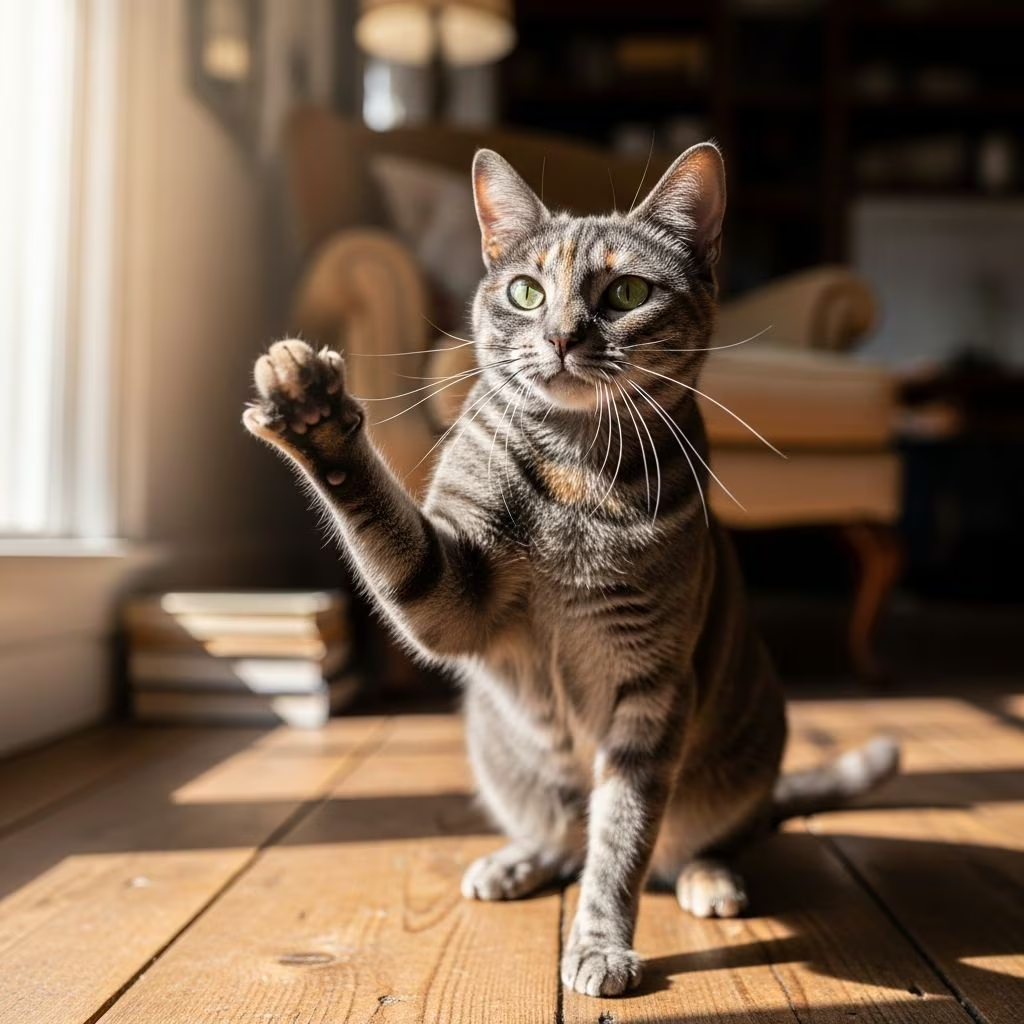
Cats often lift one paw while sitting or standing, capturing their owners’ attention with this seemingly mysterious gesture. This behaviour, commonly observed in domestic cats, serves multiple purposes rooted in their instincts, communication needs, and environmental interactions. Far from random, a raised paw can signal anything from a simple request for food or play to subtle cues of curiosity or discomfort. Understanding these signals strengthens the bond between cat and owner, promoting better welfare and reducing behavioural misunderstandings.
It’s a Request for Attention or Treats
One of the most frequent reasons cats lift their paws is to solicit attention or request something desirable, such as food. Cat behaviour consultant Jennifer Van de Kieft explains that cats use this gesture deliberately: “When a cat lifts their paw, it’s usually because they want something. They do it to get your attention or because they want something you have, like food.”. For instance, a cat trained to high-five might raise its paw expecting a pat or treat, associating the action with positive reinforcement.
This behaviour escalates if basic needs are unmet. Owners might notice it around mealtimes if dinner is late, or when the litter box is full or water bowl empty. Van de Kieft advises assessing the context: “I’m always thinking about what a cat needs at that moment. Did you forget their dinner time? Do they want to be pet?”. Neglecting these cues can lead to frustration, vocalizing, or escalated behaviours like pawing at doors.
In multi-cat households, paw-lifting may intensify as competition for resources heightens. A cat might lift its paw to claim priority access to food or affection, mimicking wild territorial displays where dominant individuals signal readiness. Observing ear position, tail movement, and vocalizations helps distinguish friendly requests from assertive demands.
Playtime Invitation
Cats retain strong predatory instincts despite domestication, spending significant mental energy on hunting simulations. In the wild, feral cats dedicate up to 50% of their day to hunting, a drive that persists in pets. Paw-lifting often precedes play, serving as an invitation or readiness signal. Cat behaviourist Cristin Tamburo notes, “Play is so important for cats because it helps to fulfill their natural need to hunt. By keeping cats physically active and mentally stimulated, we ensure that they live a happy and fulfilling life.”.
During window-watching, cats frequently lift a paw while tracking birds or insects, embodying the ‘stalk-pounce’ sequence. This mirrors hunting preparation: the raised paw hovers in anticipation of the perfect strike moment. Owners can engage by mimicking prey with toys like feather wands, transforming the gesture into interactive fun. Insufficient play leads to issues like obesity, boredom-induced scratching, or night-time zoomies, underscoring the need for daily sessions.
- Signs it’s play-related: Dilated pupils, twitching tail, playful crouch.
- Recommended toys: Interactive lasers, puzzle feeders to channel instincts.
- Frequency: 15-30 minutes twice daily for optimal health.
Curiosity and Observation Mode
A raised paw frequently indicates curiosity, with the cat pausing to assess its surroundings. This ‘thoughtful hover’ resembles humans trailing off mid-sentence, as described in behavioural observations: cats stand chirpily, lift a paw, and gaze intently. It signals inquisitiveness about novel sounds, movements, or scents, such as rustling bags or passing squirrels.
Context matters: post-grocery trips, a paw lift anticipates treats from crinkly bags, blending curiosity with eagerness. Indoors, it accompanies bug-spotting or toy anticipation. Body language experts link this to predatory pauses, where cats evaluate prey viability before committing. Unlike aggressive stances, curious lifts feature relaxed whiskers and upright posture.
In unfamiliar environments, like vet visits, paw-lifting provides reassurance, akin to instinctive bed-making rituals. This connection to kneading—pawing soft surfaces—suggests comfort-seeking amid uncertainty.
Kneading and Comfort Instincts
Though distinct, paw-lifting overlaps with kneading (‘making biscuits’), a lifelong behaviour originating in kittenhood. Kittens knead mother’s teats to stimulate milk flow, an instinct persisting into adulthood on blankets or laps. Adult cats lift and press paws rhythmically for comfort, scent-marking via paw glands, or nest preparation echoing wild ancestors tamping grass for safe beds.
Observe: cats prefer soft surfaces, avoiding flat ground, reinforcing the shelter-making theory. Affectionate kneading on owners signifies trust and contentment, but excessive lifting might blend into territorial marking. In stressful scenarios, it self-soothes, reducing anxiety.
| Behaviour | Purpose | Context |
|---|---|---|
| Paw Lift (Static) | Curiosity/Request | Sitting, staring at owner/food |
| Kneading (Rhythmic) | Comfort/Marking | On laps, blankets |
| Play Paw Raise | Hunting Prep | Chasing toys, windows |
When to Worry: Health Signals
Not all paw lifts are benign. Persistent raising, especially with limping or favouring one leg, warrants veterinary attention. Causes include injuries from stuck paws, bad landings, or embedded objects. Internal issues like sprains or infections may not show visibly but alter gait.
Accompanying signs: Swollen paws, reluctance to bear weight, excessive grooming, or behavioural changes like hiding. Stress indicators—fur standing, tucked tail—pair with lifts in fearful contexts. Rule out by gentle inspection; if resisted, consult a vet promptly.
- Red flags: Consistent lift on one paw, vocal pain cries, appetite loss.
- Prevention: Secure drawers, provide stable jumping surfaces.
- Home check: Clean paws, trim nails regularly.
Body Language Mastery
Decoding paw lifts requires holistic body language reading. Relaxed ears and slow blinks signal benign intent; flattened ears or dilated pupils suggest caution. Tail positions amplify: upright for confidence, swishing for agitation. Combine with vocal cues—chirps for play, growls for warning.
Cats communicate non-verbally 90% of the time, making observation key. Training reinforces positive lifts: reward attention-seeking with play, ignore unwanted demands to prevent reinforcement.
Frequently Asked Questions (FAQs)
Why does my cat lift one paw while staring at me?
Typically, it’s a bid for attention, food, or play. Check unmet needs like empty bowls or lack of interaction.
Is paw-lifting a sign of pain?
Not always, but if persistent with limping or swelling, inspect and vet-check immediately.
How can I tell if it’s play or aggression?
Play features forward ears and wiggling; aggression shows piloerection and hissing.
Why do cats knead and lift paws on blankets?
Kneading stems from kitten milk-stimulation and wild nest-making, providing comfort and marking.
Should I always respond to paw lifts?
Assess context; reinforce positives with play, but ensure it doesn’t become manipulative.
Enhancing Cat-Human Communication
Recognizing paw-lifting nuances fosters empathetic care. Daily routines addressing physical/emotional needs minimize frustration. Enrich environments with climbing trees, scratching posts, and varied toys to satisfy instincts. Regular health checks catch issues early, ensuring lifts remain joyful signals rather than distress calls.
Cat owners report stronger bonds post-behaviour education, with reduced issues like inappropriate elimination. Invest time in observation: log instances, contexts, outcomes for patterns. Apps tracking behaviour aid analysis, personalizing care.
Ultimately, a paw up is your cat’s way of saying, “Notice me.” Responding thoughtfully meets their world, where small gestures yield big rewards in trust and harmony.
References
- Why Do Cats Lift Their Paws Up for Seemingly No Reason — Kinship. 2023. https://www.kinship.com/cat-behavior/why-cats-lift-their-paws
- Why Do Cats Lift Their Paws Up and Down? — ScienceABC II (YouTube). 2024-09-06. https://www.youtube.com/watch?v=TyAi9HYrG6M
- If Your Cat Sits With One Paw Slightly Raised — YouTube. 2023. https://www.youtube.com/watch?v=M3fHoUbKIK8
- My Cat Is Holding Their Paw Up When Sitting: Vet Reviewed Facts — Catster. 2024. https://www.catster.com/cat-behavior/my-cat-is-holding-their-paw-up-when-sitting/
- Six Strange Cat Behaviours Explained — Supakit. 2023. https://supakit.co/blogs/cat-guides/six-strange-cat-behaviours-explained
- Why Does My Cat Lift Their Paw? A Guide to Cat Body Language — Schertz Animal Hospital. 2024. https://schertzanimalhospital.com/blog/cat-body-language-schertz-tx/



