

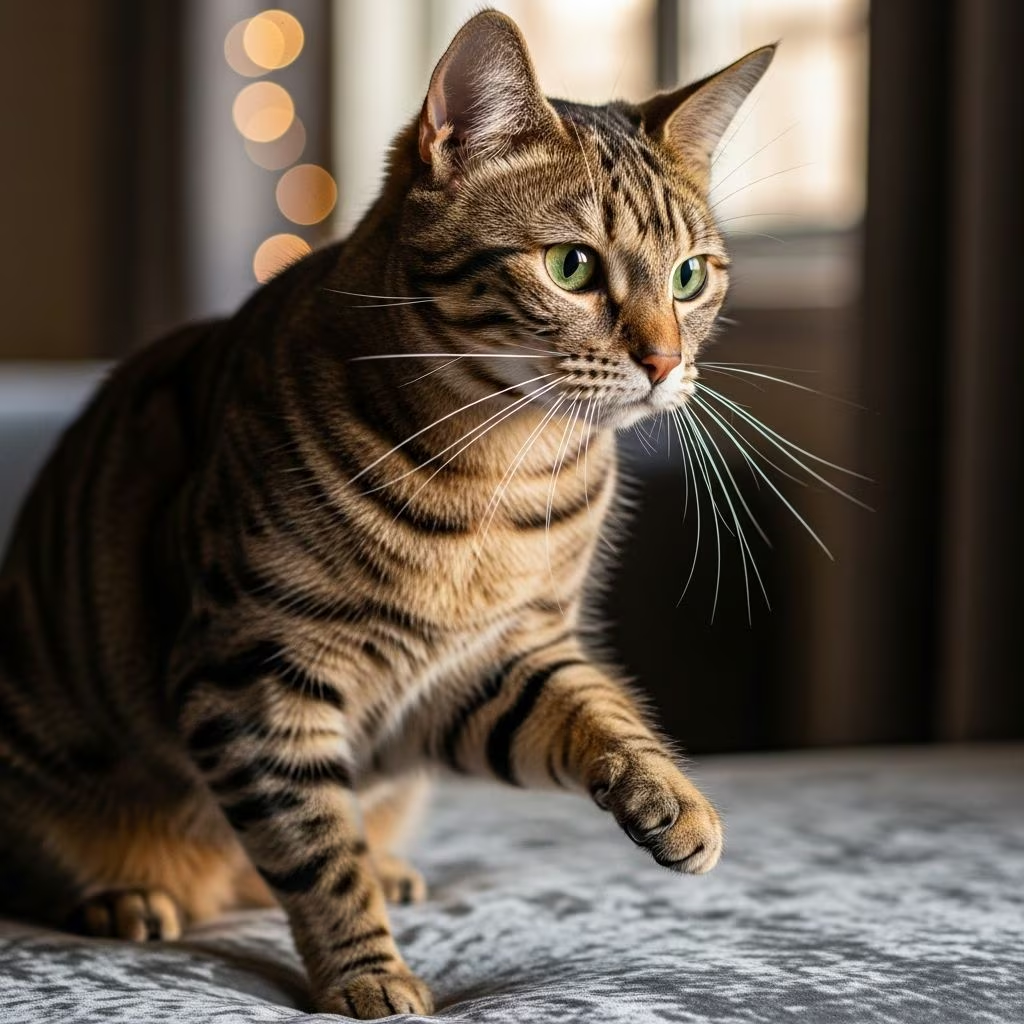
Have you ever been engrossed in your day—working, scrolling, or binge-watching—only to glance up and find your cat staring at you with one paw delicately raised? It’s an endearing yet puzzling sight. Cats lifting their paws is a common behavior that can leave owners wondering if it’s a request for a high-five, a sign of injury, or something else entirely. According to cat behavior experts, this gesture is rarely random. It’s a form of communication rooted in their instincts, needs, and emotions.
This article dives deep into the myriad reasons behind this quirky habit, drawing from veterinary insights and behavioral studies. Whether your cat is meowing softly with paw aloft or holding it steady while gazing at you expectantly, understanding the context can strengthen your bond and ensure their well-being. We’ll cover attention-seeking, hunger signals, play invitations, curiosity, potential health issues, and more, so you can respond appropriately next time your feline friend goes ‘paw up.’
It’s a Cry for Attention
One of the most frequent reasons cats lift their paws is simply to grab your focus. Cats are masters of subtle (and not-so-subtle) communication, and a raised paw is like their version of waving hello—or more urgently, ‘Hey, human, notice me!’ Cat behavior consultant Jennifer Van de Kieft explains that when a cat lifts their paw, it’s often because they want interaction, pets, or acknowledgment.
Imagine this: You’re busy, and suddenly, there’s your cat, paw extended, eyes locked on yours. They might even add a soft mew for emphasis. This isn’t trick-trained behavior (unless you’ve taught them to high-five, like Van de Kieft’s cat Luke); it’s instinctual. Cats thrive on social bonds with their owners, and a raised paw interrupts your routine to remind you of their presence.
Why now? Timing matters. If it’s near mealtime, bedtime, or playtime, they’re likely prompting you to fulfill a routine. Neglecting this can lead to escalated behaviors like knocking objects off tables. Responding promptly— with pets, talk, or a toy—reinforces trust and reduces frustration.
- Common triggers: Forgotten pets, end of your work call, or just boredom.
- Body language clues: Relaxed ears, slow blinks, purring indicate positive attention-seeking.
- Pro tip: Mirror their gaze with slow blinks to say ‘I see you’ in cat language.
They’re Hungry or Thirsty
Hunger is a prime motivator for paw-lifting. Cats associate the gesture with successful food acquisition, especially if you’ve rewarded it in the past. ‘They do it to get your attention or because they want something you have, like food,’ notes Van de Kieft. Your cat might lift a paw while staring at the kitchen or your plate, a clear ‘Feed me!’ signal.
This behavior mimics wild hunting instincts, where cats ‘ask’ for prey shares in colonies. Domesticated cats repurpose it for kibble or treats. Check basics first: Is the bowl empty? Water fresh? Litter clean? Unmet needs amplify paw-raising.
Observe patterns. Pre-dinner paw lifts are classic. If persistent outside meals, inspect for health issues like dental pain affecting appetite. Consistent feeding schedules prevent manipulative paw-ups.
| Situation | Paw Lift Sign | Action |
|---|---|---|
| Empty food bowl | Paw up + meowing at kitchen | Refill with measured portion |
| Dirty water | Paw toward dish + dipping attempt | Refresh with filtered water |
| Treat anticipation | Paw during prep sounds (bag crinkle) | Small treat, then ignore |
Playtime Invitation
Cats are predators at heart, and paw-lifting often signals ‘Let’s hunt!’ Feral cats spend up to 50% of their day hunting; indoor cats channel this into play. A raised paw mimics stalking—curiosity piqued, ready to pounce.
Cat behaviorist Cristin Tamburo emphasizes play’s role in health: ‘Play fulfills their natural need to hunt, keeping them physically active and mentally stimulated’. Toys like wand teasers trigger paw raises as prep for chase. Ignore it, and they might ‘hunt’ your ankles.
Daily sessions (15-30 minutes) curb issues like scratching furniture. Watch for dilated pupils, twitching tail—excitement cues.
- Wand toys for realistic prey simulation.
- Laser pointers (end with catchable toy).
- Rotate toys to maintain interest.
Curiosity and Observation Mode
Sometimes, a paw lift means ‘Wait, what’s that?’ Cats perch by windows or during grocery unpacking, paw raised in anticipation. It’s curiosity: tracking birds, rustles, or bag crinkles.
This ‘pause for thought’ resembles mid-thought trailing off in humans. Ears forward, eyes wide? They’re engaged observers. Provide perches or puzzle feeders to channel it positively.
Kneading and Comfort Instincts
Raised paws link to kneading (‘making biscuits’), a kittenhood milk-stimulation holdover. Adults knead cozy spots, echoing wild grass-tamping for nests. A solo paw lift might signal relaxation or territorial marking via scent glands.
If on blankets (not floors), it’s comfort-seeking. Purring accompanies happy kneads.
Potential Signs of Discomfort or Injury
Not always benign: Persistent limping, favoring one paw, or lifts with flinching warrant vet checks. Internal issues like sprains hide visually. Stress signs—fur puffs, tucked tail—pair with lifts.
Gently inspect if allowed; monitor weight-bearing. Early intervention prevents chronic problems.
Other Reasons Cats Lift Their Paws
- Affection: Subtle bonding, evoking kitten nurturing.
- Territorial: Scent-marking spaces.
- Learned Tricks: High-fives from training.
- Sleep Prep: Bed-making ritual echo.
Frequently Asked Questions (FAQs)
Why does my cat lift one paw while staring at me?
Typically attention, food, or play request. Check needs; respond accordingly.
Is paw lifting a sign of pain?
Possibly if persistent or with limping. Vet exam advised.
Why do cats lift paws when happy?
Excitement or kneading for comfort.
How to stop attention-seeking paw lifts?
Meet needs proactively; ignore manipulative ones.
Do all cats lift paws the same way?
Varies by personality, breed, training.
Conclusion: Decode and Respond
Next paw lift, assess context: needs met? Play offered? Health ok? This empowers better care, happier cats. Play more, observe closely—your bond deepens.
References
- Why Do Cats Lift Their Paws Up for Seemingly No Reason — Kinship. 2023. https://www.kinship.com/cat-behavior/why-cats-lift-their-paws
- Why Do Cats Lift Their Paws Up and Down? — ScienceABC II (YouTube). 2024-09-06. https://www.youtube.com/watch?v=TyAi9HYrG6M
- If Your Cat Sits With One Paw Slightly Raised — YouTube. 2024. https://www.youtube.com/watch?v=M3fHoUbKIK8
- My Cat Is Holding Their Paw Up When Sitting — Catster (Vet Reviewed). 2024. https://www.catster.com/cat-behavior/my-cat-is-holding-their-paw-up-when-sitting/
- Six Strange Cat Behaviours Explained — Supakit. 2023. https://supakit.co/blogs/cat-guides/six-strange-cat-behaviours-explained
- Why Does My Cat Lift Their Paw? A Guide to Cat Body Language — Schertz Animal Hospital. 2023. https://schertzanimalhospital.com/blog/cat-body-language-schertz-tx/



