

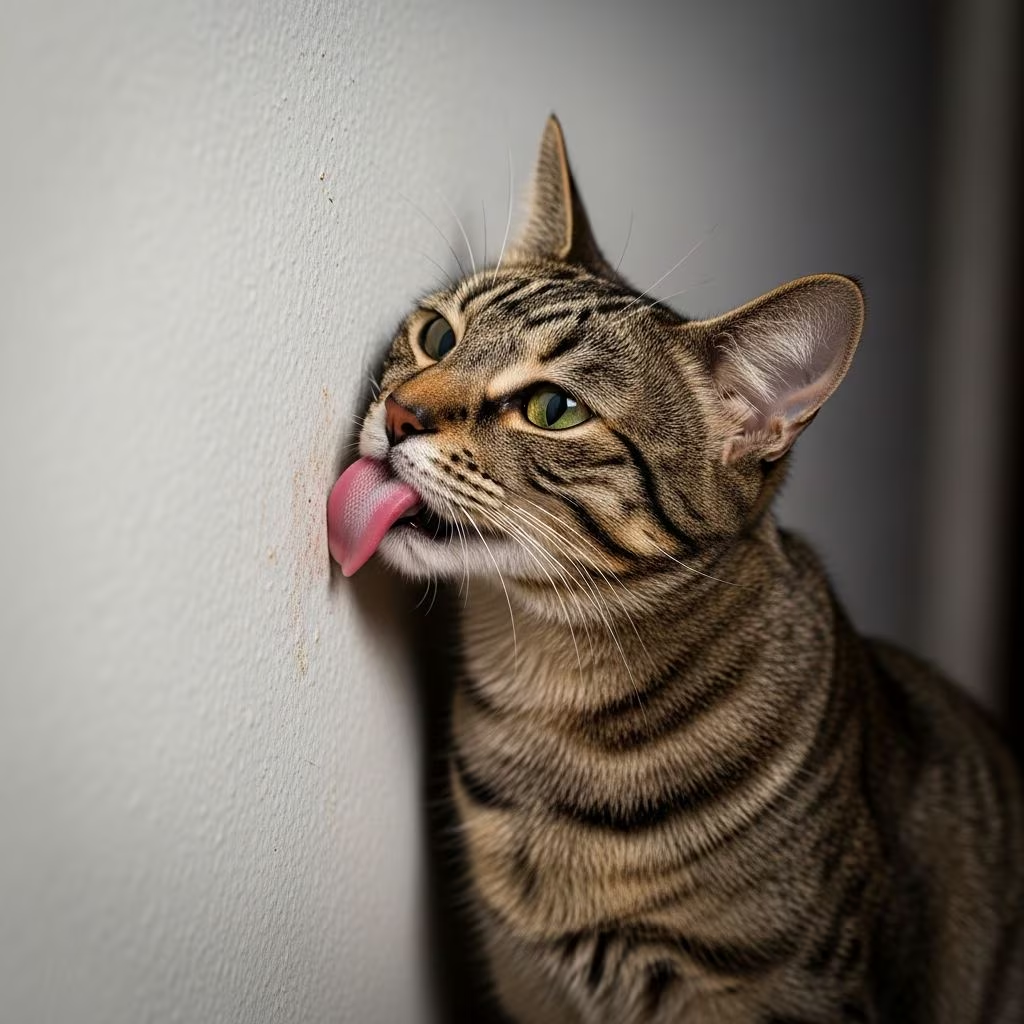
Cats exhibit a range of fascinating behaviors, but wall licking stands out as particularly puzzling for many owners. This action, where felines repeatedly run their tongues over vertical surfaces, can range from occasional curiosity to persistent compulsion. Understanding the motivations helps ensure your cat’s well-being, as it may signal benign exploration or deeper concerns like health issues or environmental stressors.
Common Triggers Behind Wall Licking
Several factors drive this behavior, often intertwined with a cat’s instincts, environment, and physiology. Identifying the root cause requires observing patterns, such as frequency, location, and accompanying signs like weight loss or lethargy.
Sensory Curiosity and Textural Appeal
Cats rely on multiple senses to navigate their world, and licking serves as a tactile investigation tool. Walls offer varied textures—smooth paint, rough plaster, or cool condensation—that intrigue felines. This mirrors how kittens explore by mouthing objects, extending into adulthood for some cats. A specific spot might draw repeated attention due to subtle surface differences.
Appealing Residues and Flavors
Household walls accumulate invisible traces from daily life: cooking oils, hand salts, cleaning agents, or air freshener particles. Cats’ acute sense of taste detects these, making bland surfaces unexpectedly flavorful. Paint compositions, including mineral additives, can enhance appeal, prompting licks for palatability rather than nutrition.
Health-Related Causes
When licking escalates beyond curiosity, medical explanations merit consideration. Prompt veterinary evaluation prevents oversight of treatable conditions.
Pica: The Compulsive Craving Disorder
Pica involves persistent ingestion or licking of inedible items, including walls. Linked to genetic predispositions in breeds like Siamese and Burmese, it manifests as fabric chewing or surface licking. Causes include iron deficiency anemia, gastrointestinal disorders, or fiber shortages, where cats seek compensatory minerals from plaster.
| Potential Pica Trigger | Symptoms | Diagnostic Steps |
|---|---|---|
| Iron Deficiency/Anemia | Lethargy, pale gums, poor appetite | Blood tests for hemoglobin levels |
| Nutrient Imbalance | Weight fluctuations, coat dullness | Dietary analysis, fecal exams |
| Genetic Factors | Early-onset in prone breeds | Behavioral history review |
Nutritional Shortfalls and Dietary Gaps
Inadequate diets lacking essential fats, vitamins, or minerals prompt alternative sourcing. Low-quality foods fail to meet feline needs, leading to wall licking as a misguided supplement. Anemia from feline leukemia or poor iron intake exacerbates this, detectable via routine bloodwork.
Behavioral and Environmental Influences
Non-medical drivers often stem from lifestyle mismatches, correctable through enrichment and routine adjustments.
Stress and Anxiety Manifestations
Environmental upheavals—new pets, relocations, or rearranged furniture—trigger anxiety, expressed via compulsive licking. This self-soothing parallels excessive grooming, signaling emotional distress. Accompanying clues include hiding, aggression, or appetite changes.
Boredom and Stimulation Deficits
Indoor cats with insufficient play risk ennui, turning to walls for entertainment. Attention-seeking reinforces the habit if owners react strongly. Breeds with high energy, like Bengals, amplify this need.
Moisture and Hydration Quests
Humid climates foster wall condensation, which cats lap for hydration, especially if water bowls seem unappealing. Fresh, flowing fountains encourage proper intake, reducing this impulse.
Assessing Severity: When to Worry
Isolated licks pose little threat, but obsessiveness warrants action. Monitor for:
- Chewing non-edibles alongside licking
- Sudden behavior onset post-life changes
- Health shifts: diarrhea, vomiting, fur loss
- Targeting one spot persistently
Veterinary exams rule out pain, infections, or neurological issues cats mask adeptly.
Practical Solutions and Management Strategies
Addressing wall licking combines deterrence, enrichment, and professional input for holistic resolution.
Environmental Modifications
Clean targeted areas with enzyme-neutralizing sprays to erase residues. Pet-safe bitter deterrents discourage access. Rearrange furniture to block hotspots, minimizing temptation.
Dietary and Hydration Upgrades
Transition to premium, balanced kibble or wet food vetted for completeness. Supplements address confirmed deficiencies. Multiple fresh water stations, preferably fountains, boost consumption.
Enrichment and Stress Relief
Daily interactive play—laser pointers, feather wands—combats boredom. Pheromone diffusers mimic calming scents. Vertical spaces like cat trees fulfill climbing instincts. For severe anxiety, vets may prescribe anti-anxiety aids.
| Strategy | Implementation Tips | Expected Outcome |
|---|---|---|
| Play Sessions | 15-20 mins twice daily | Reduced boredom-driven licks |
| Pheromone Products | Diffuse in licking zones | Lowered stress indicators |
| Deterrent Sprays | Reapply weekly | Immediate aversion |
Veterinary Interventions
Persistent cases demand blood panels, fecal tests, or imaging. Tailored diets or medications resolve pica or anemia. Behavioral consultations refine management.
Preventive Measures for Long-Term Health
Proactive care averts escalation:
- Annual vet checkups with nutrition reviews
- Diverse toys rotated weekly
- Stable routines minimizing disruptions
- Breed-specific considerations for high-risk felines
Tracking behavior in a journal aids pattern detection, informing timely adjustments.
Frequently Asked Questions (FAQs)
Is wall licking always a sign of illness?
No, it often reflects curiosity or mild stress, but frequency with other symptoms necessitates vet review.
Can diet alone fix pica?
Dietary tweaks help nutritional pica, but underlying diseases require comprehensive diagnosis.
How quickly should I act on this behavior?
Observe 1-2 weeks; consult vet if unchanged or worsening.
Are certain cats more prone?
Yes, Oriental breeds like Siamese show higher pica incidence due to genetics.
Does spaying/neutering influence this?
Indirectly, by curbing roaming stress, but not a direct fix.
Conclusion: Embracing Feline Quirks Responsibly
Wall licking unveils cats’ complex inner worlds, blending instinct with adaptation signals. Through observation, enrichment, and vet partnership, owners transform quirks into managed traits, fostering happier homes. Most cases resolve with simple tweaks, affirming cats’ resilience and owners’ vigilance.
References
- Why Does Your Cat Lick Walls? Understanding This Quirky Behavior — OwnPets. 2023. https://ownpets.com/blogs/learn/why-does-your-cat-lick-walls-understanding-this-quirky-behavior
- Why Does My Cat Lick the Wall? 5 Vet-Reviewed Reasons — Catster. 2023. https://www.catster.com/cat-behavior/reasons-why-cats-lick-the-wall/
- Why Is My Cat Licking The Wall? — PetBucket. 2023. https://www.petbucket.com/blog/63156/why-is-my-cat-licking-the-wall.html
- Why does my cat lick the wall? — Cats.com. 2023. https://cats.com/community/behavior/licking-walls
- Why Does My Cat Lick Me, Themselves, And Household Objects? — Sheba. 2023. https://www.sheba.com/lifestyle/why-cats-lick-everything



