

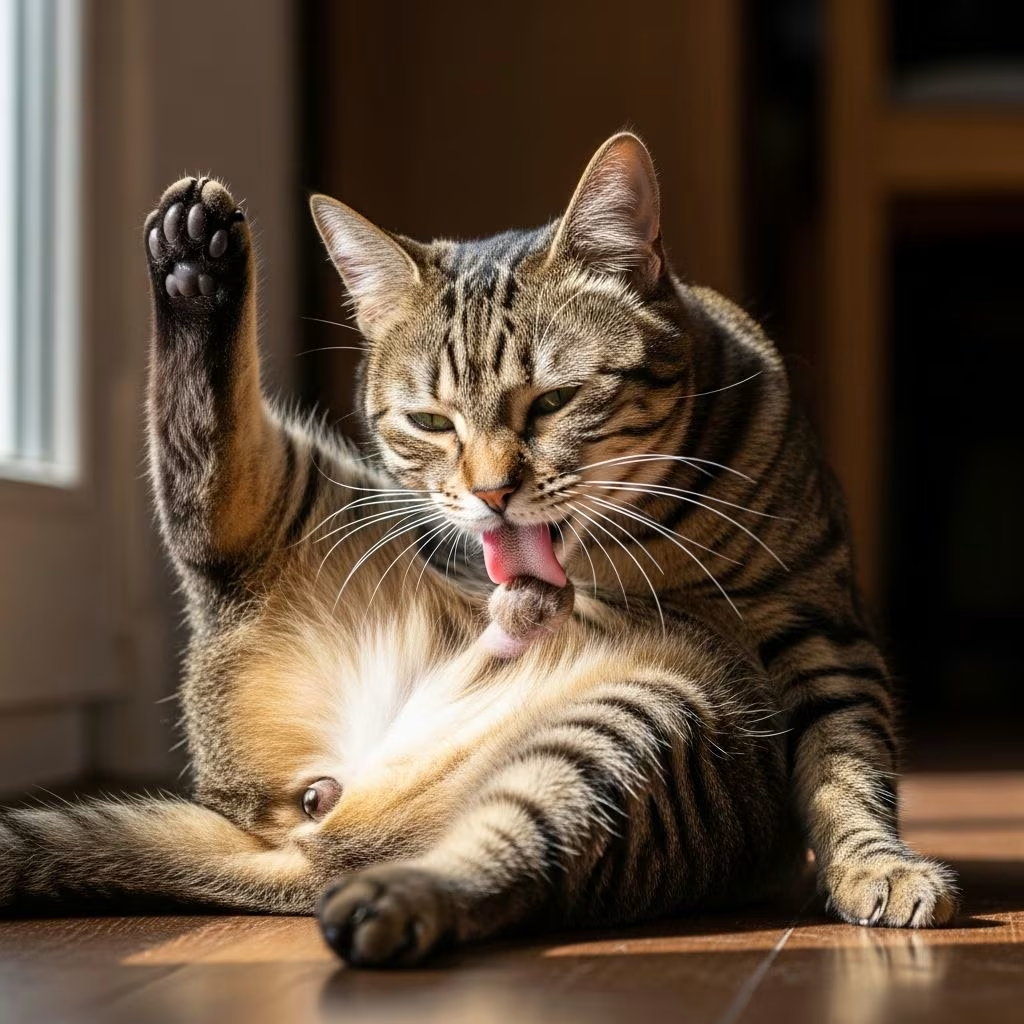
Understanding Normal Cat Grooming Behavior
Cats are renowned for their meticulous grooming habits and spend considerable time maintaining their personal hygiene throughout the day. According to behavioral experts at the Cummings School of Veterinary Medicine at Tufts University, cats dedicate approximately 8 to 15% of their waking hours to grooming themselves. This extensive self-care routine is not merely a matter of vanity; it serves as an important indicator of a cat’s overall health and well-being.
As part of their comprehensive grooming regimen, cats naturally lick their genital and anal areas to remove dirt, discharge, debris, and any other unwanted material. This behavior is completely normal and healthy when performed in moderation. The genital and anal regions require regular cleaning, much like any other part of a cat’s body, and cats have evolved to use their tongues as their primary tool for this purpose. Since cats cannot use toilet paper or rely on their owners to assist with personal hygiene in this area, self-grooming through licking is their only option to maintain cleanliness.
Why Cats Lick Their Private Areas
Natural Hygiene and Cleanliness
The primary reason cats lick their genital areas is to maintain personal hygiene. This instinctive behavior helps remove any residual urine, fecal matter, or other debris that may accumulate after using the litter box. Cats are naturally fastidious animals that take great pride in keeping themselves clean, and this includes all areas of their body, regardless of location or whether the behavior occurs in public.
Removal of Discharge and Debris
Cats may also lick their genital areas to address minor discharge or debris that they perceive as needing removal. Normal grooming activity in this region is a healthy response to maintaining bodily cleanliness and comfort.
General Maintenance
Regular licking of the genital area is part of a cat’s overall maintenance routine, similar to grooming their fur, cleaning between their toes, and washing their face. This behavior is instinctive and deeply ingrained in feline biology.
The Difference Between Normal and Excessive Licking
While some degree of genital licking is entirely normal, excessive licking in this area may indicate an underlying medical or behavioral problem that requires veterinary attention. Understanding the distinction between normal grooming and problematic excessive licking is crucial for cat owners to identify potential health issues early.
Normal licking occurs occasionally throughout the day as part of regular grooming and typically does not cause visible irritation or behavioral changes. Excessive licking, by contrast, occurs frequently, may cause redness or rawness in the area, and is often accompanied by other behavioral or physical signs.
Signs of Excessive Genital Licking
Cat owners should watch for the following warning signs that may indicate excessive licking of the genital area:
- Persistent, frequent licking of the genital region beyond normal grooming patterns
- Visible discharge from the genital area
- Spotting or staining on bedding, carpet, or other surfaces in the home
- Swelling or inflammation of the genital area
- Scooting behavior, where the cat drags its bottom across the floor
- Abnormal urinary patterns, including straining in the litter box, frequent small urinations, or urination outside the litter box
- Visible signs of parasitic infection
- Systemic symptoms such as lethargy, fever, decreased appetite, vomiting, or diarrhea
Medical Conditions Associated with Excessive Licking
Urinary Tract Infections
Urinary tract infections, also known as cystitis, represent one of the most common causes of excessive genital licking in cats. These infections cause inflammation of the urinary tract and may result in discharge, pain, and the urge to lick the affected area repeatedly. Symptoms include straining to urinate, frequent urination, and blood in the urine.
Feline Lower Urinary Tract Disease (FLUTD)
Feline lower urinary tract disease, also called sterile cystitis, is a condition that causes inflammation of the bladder and urethra without a bacterial infection. Cats with FLUTD often exhibit excessive licking of the genital area as they attempt to relieve discomfort and irritation. This condition can be triggered by stress, diet, or other environmental factors.
Bladder Stones
Bladder stones, clinically known as urolithiasis, can develop anywhere in the urinary tract, including the kidneys, ureter, or bladder. When these stones become lodged as they attempt to exit the urinary tract, they cause significant pain. The pressure from the stone, resulting pain, or secondary infections can all trigger excessive licking of the genital area.
Urinary Tract Tumors
Although less common, tumors can develop in the urinary tract, urethra, or bladder. These growths may cause symptoms including recurrent urinary tract infections, blood in the urine, straining during urination, and frequent urination, all of which may prompt excessive licking.
Urinary Incontinence
Urinary incontinence, the inability to control urine flow, can result from an ectopic (abnormally placed) ureter or problems with the urinary sphincter. The excessive discharge associated with this condition frequently leads to increased licking of the genital region.
Feline Urethral Obstruction
Feline urethral obstruction occurs when the urethra becomes blocked, preventing normal urine flow. This is a serious condition that requires immediate veterinary attention. Cats with urethral obstruction may exhibit excessive licking as they experience discomfort and pain.
Skin Infections and Dermatitis
Inflammation or infections of the skin can cause lesions and irritation anywhere on the body, including near the genital area. Dermatitis may result from allergies, parasites, or other skin conditions, prompting increased licking.
Parasitic Infections
Parasites such as fleas can cause significant irritation and itching in the genital region, leading to excessive licking. Even indoor cats can contract parasites, and regular preventative treatment is essential.
Sex-Specific Conditions
Male Cats: Preputial Discharge
In male cats, abnormal preputial discharge is any substance emanating from the prepuce (the fold of skin covering the penis) that causes excessive licking. Preputial discharge may consist of blood, urine, or pus. While a normal cat should have no discharge, a small amount of whitish-yellow “smegma” can accumulate around the preputial opening and is generally not considered clinically significant. However, if discharge is accompanied by excessive licking, veterinary evaluation is warranted.
Disorders affecting the prepuce, such as neoplasia (cancer), trauma, foreign bodies, or balanoposthitis (inflammation of the penis and prepuce), can cause problems in male cats requiring professional attention.
Female Cats: Vaginal Discharge
In female cats, abnormal vaginal discharge can result in excessive licking and requires investigation. Vaginal discharge is any substance emanating from the vulvar labia (the external female genitals). While some vaginal discharge is normal during the postpartum period, sometimes lasting 6 to 8 weeks, abnormal discharge warrants veterinary examination.
Pyometra, an infection of the uterus, causes pain and may lead to pus draining from the vagina. This condition can be life-threatening and requires surgical removal of the uterus. Retained placenta, although fairly uncommon in cats, can also cause pain, discomfort, and discharge that triggers excessive licking. Additionally, vaginitis, inflammation of the vagina, is sometimes observed in cats less than one year of age and may resolve after the first heat cycle.
Vaginal neoplasia (cancer), though uncommon in cats, can cause excessive licking and should be evaluated by a veterinarian.
When to Consult a Veterinarian
Cat owners should schedule a veterinary appointment if they observe any of the following:
- Excessive licking of the genital area that persists beyond normal grooming patterns
- Visible discharge from the genital region
- Signs of swelling or inflammation in the genital area
- Changes in urinary habits, including straining, frequency changes, or elimination outside the litter box
- Scooting behavior or other signs of discomfort
- Systemic symptoms accompanying excessive licking, such as fever, lethargy, or appetite loss
- Any behavior representing a change from the cat’s baseline
Early veterinary intervention can help identify and treat underlying conditions before they become more serious. Being aware of your cat’s normal behavior patterns is essential for recognizing any changes that might warrant professional attention.
Diagnostic Approaches
When a cat presents with excessive genital licking, veterinarians typically perform a thorough physical examination. One of the safest and easiest diagnostic methods involves palpating the bladder to check for abnormalities or signs of pain. Additional diagnostic tests may include urinalysis, urine culture, blood work, imaging studies such as ultrasound or radiographs, and in some cases, specialized testing to identify specific pathogens or conditions.
Treatment Options
Treatment for excessive genital licking depends entirely on the underlying cause. If the licking is due to a urinary tract infection, antibiotics may be prescribed. For conditions like FLUTD, treatment may include dietary modifications, environmental enrichment to reduce stress, increased water intake, and medications to manage pain and inflammation. Bladder stones may require surgical removal, while other conditions might necessitate different surgical interventions or medical management strategies. Working closely with a veterinarian ensures that your cat receives appropriate treatment tailored to their specific condition.
Preventive Measures
While not all causes of excessive genital licking can be prevented, several measures can help reduce the risk of urinary and reproductive health issues:
- Maintain regular flea and parasite prevention programs
- Provide fresh, clean water to encourage adequate hydration
- Ensure a stress-free environment with appropriate enrichment activities
- Feed a high-quality diet appropriate for your cat’s age and health status
- Schedule regular veterinary check-ups to identify health issues early
- Keep litter boxes clean and provide adequate litter box facilities
- Monitor your cat’s baseline behaviors and report any changes to your veterinarian
Frequently Asked Questions
Q: Is it normal for cats to lick their private areas occasionally?
A: Yes, occasional licking of the genital area as part of normal grooming is completely normal and healthy. Cats dedicate 8 to 15% of their waking time to grooming all parts of their body, including genital areas.
Q: How can I tell if my cat is licking excessively versus normally?
A: Normal licking occurs occasionally throughout the day, while excessive licking is frequent, persistent, and often accompanied by other signs such as discharge, swelling, abnormal urination patterns, or behavioral changes.
Q: What should I do if I notice my cat licking excessively?
A: Schedule a veterinary appointment to have your cat evaluated. Excessive licking can indicate various medical conditions ranging from mild to serious, and early intervention is important.
Q: Can I treat this condition at home?
A: No, excessive genital licking requires professional veterinary diagnosis and treatment. Attempting home treatment may delay identification of serious underlying conditions.
Q: Is my cat’s excessive licking contagious to other pets?
A: This depends on the underlying cause. Some conditions, such as certain parasitic infections or bacterial infections, may be transmissible, while others are not. Your veterinarian can advise on appropriate precautions.
Q: How long does treatment typically take?
A: Treatment duration depends on the specific condition. Some conditions respond quickly to treatment, while others may require ongoing management or long-term treatment strategies.
References
- Licking of Genital Area in Cats — PetPlace. Retrieved from https://www.petplace.com/article/cats/pet-health/licking-of-genital-area-in-cats
- Why Do Cats Lick & Groom Each Other? 6 Reasons Allogrooming — AmeriVet. Retrieved from https://amerivet.com/blog/why-do-cats-lick-groom-each-other/
- Why Does My Cat Keep Licking ‘Down There? Feline Lower Urinary Tract Disease — Honeysuckle Cat Toys. Retrieved from https://www.honeysucklecattoys.co.uk/post/why-does-my-cat-keep-licking-down-there-feline-lower-urinary-tract-disease
- Feline Urethral Obstruction: Why is My Cat Licking Down There? — PetHealthNetwork. Retrieved from https://www.pethealthnetwork.com/cat-health/cat-diseases-conditions-a-z/feline-urethral-obstruction-why-my-cat-licking-down-there



