

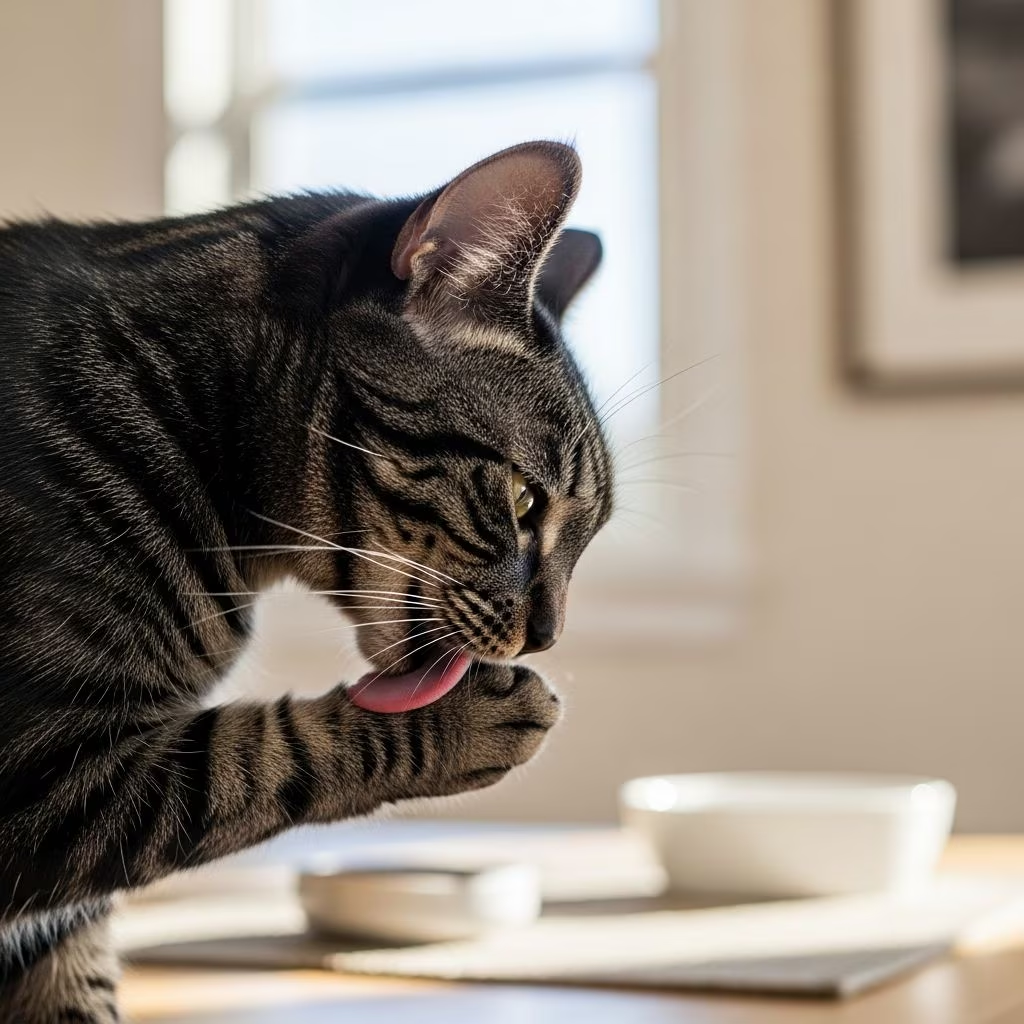
Cats frequently lick their paws immediately after eating, a behavior rooted in their innate grooming routines and physiological needs. This action helps them maintain cleanliness and regulate body temperature while providing psychological comfort.
The Natural Grooming Instinct in Felines
Feline grooming is a cornerstone of cat behavior, occupying 30 to 50 percent of their daily activities. After meals, cats use their paws as tools to clean residual food particles from their whiskers, face, and mouth. The rough texture of their tongue spreads saliva across paws, which then wipes away debris effectively. This meticulous process prevents bacterial buildup and keeps their coat sleek.
Beyond hygiene, paw licking post-eating reinforces a cat’s sense of tidiness. In the wild, ancestors of domestic cats groomed to remove scents that could attract predators. Today, this translates to domestic cats ensuring no lingering food odors betray their presence, even in safe homes.
Thermoregulation Through Saliva Evaporation
In warmer conditions or after eating, which generates internal heat, cats lick paws to cool down. Saliva evaporation from paw pads draws heat away from the body, mimicking sweat glands absent in felines. Paw pads, rich in blood vessels, serve as efficient cooling surfaces, especially useful post-meal when digestion raises body temperature.
This adaptive trait is particularly noticeable in hot weather. Cats may extend licking sessions to manage heat from sun-baked floors or indoor warmth, combining grooming with climate control seamlessly.
Psychological Comfort and Endorphin Release
Paw licking triggers endorphin release, natural chemicals promoting relaxation and well-being. After eating, this self-soothing ritual calms cats, akin to a satisfaction ritual concluding a meal. It reduces mild stress from daily routines or environmental shifts.
- Stress relief: Minor disruptions like household noise prompt extra licks for comfort.
- Routine reinforcement: Post-meal licking establishes predictable patterns, enhancing security.
- Boredom diversion: Insufficient stimulation leads to prolonged sessions as harmless entertainment.
When Post-Meal Licking Turns Excessive
Normal licking lasts seconds to minutes post-eating. However, persistent sessions exceeding 5-10 minutes, especially with redness or hair loss, indicate underlying issues. Distinguish routine from problematic by observing frequency, duration, and accompanying symptoms like limping or agitation.
Common Medical Triggers
| Cause | Symptoms | Potential Treatments |
|---|---|---|
| Allergies (food, environmental) | Itching, redness, bald spots | Hypoallergenic diet, antihistamines |
| Infections (bacterial, fungal) | Swelling, odor, discharge | Antibiotics, antifungals |
| Injuries (cuts, thorns) | Limping, sensitivity | Wound cleaning, pain relief |
| Parasites (fleas, mites) | Scratching, flea dirt | Preventative meds |
Allergies often manifest post-meal if food triggers reactions, causing paw irritation from contact or systemic itchiness. Infections thrive in moist paw environments, exacerbated by food residue. Parasites irritate skin directly, prompting frantic licking.
Stress and Behavioral Factors
Anxiety from new pets, relocations, or routine changes amplifies licking as a coping mechanism, potentially leading to psychogenic alopecia—hair loss from over-grooming. Boredom in understimulated cats mimics this, turning paws into fixation points.
Joint pain or arthritis may localize licking to sore paws, worsened by post-meal activity. Neurological issues rarely cause acral lick granulomas, raised sores from chronic licking.
Observing and Documenting Your Cat’s Behavior
Track licking episodes with notes on timing, duration, and triggers. Video sessions for vets. Check paws daily for swelling, cuts, or parasites. Note diet changes or environmental shifts correlating with increased frequency.
- Normal: Brief, relaxed licks post-meal.
- Concerning: Intense, prolonged, with skin changes or behavioral shifts.
Veterinary Interventions and Home Management
Consult a vet for exams, allergy tests, or skin scrapes identifying causes. Treatments include medications, diet trials, or parasite controls. At home, provide enrichment like toys and scratching posts to curb stress licking.
Maintain clean environments minimizing allergens. Use paw balms for dry skin and ensure balanced diets avoiding irritants. Feliway diffusers aid anxiety reduction.
Preventive Strategies for Healthy Paws
- Regular grooming: Brush weekly to reduce self-licking needs.
- Parasite prevention: Monthly treatments year-round.
- Diet monitoring: High-quality foods minimizing allergy risks.
- Environmental stability: Gradual changes, safe spaces.
- Exercise promotion: Interactive play preventing boredom.
FAQs on Cat Paw Licking After Eating
Is it normal for cats to lick paws after every meal?
Yes, briefly for grooming and cooling. Excessive duration warrants attention.
How do I know if allergies cause my cat’s paw licking?
Look for consistent itching, redness post-meal, or seasonal patterns. Vet testing confirms.
Can stress really make a cat lick paws obsessively?
Absolutely; it’s a common self-soothing response to anxiety triggers.
What home remedies stop excessive paw licking?
Enrichment, clean paws, and distraction toys help, but vet rule-out is essential.
Does paw licking indicate pain in cats?
Yes, especially localized to one paw or with limping—injuries or arthritis possible.
Long-Term Monitoring for Feline Well-Being
Integrate paw checks into routines. Annual vet wellness exams catch issues early. Balanced nutrition, mental stimulation, and affection foster habits minimizing problems. Understanding this behavior enhances bonds, ensuring cats thrive.
Post-meal paw licking embodies feline precision—hygiene, cooling, comfort intertwined. Vigilance distinguishes instinct from alerts, safeguarding health.
References
- Why Is My Cat Licking Its Paws? Understanding Causes — Brown Vet Hospital. 2023. https://brownvethospital.com/blog/cat-licking-paws/
- Excessive Paw Licking In Cats | Causes and Solutions — PetAssure. 2023. https://www.petassure.com/maxscorner/excessive-paw-licking-in-cats-explained/
- Excessive Licking in Cats: Why Do Cats Do This? — Festival Animal Clinic. 2023. https://festivalanimalclinic.com/blog/excessive-licking-in-cats/
- Why Pets Lick and Chew Their Paws — Animal Hospital of Fort Lauderdale. 2023. https://ahofl.com/why-pets-lick-and-chew-their-paws/
- Why Do Cats Lick Their Paws? — Hill’s Pet. 2023. https://www.hillspet.com/cat-care/behavior-appearance/why-do-cats-lick-their-paws
- Acral Lick Granulomas in Cats — PetMD. 2023. https://www.petmd.com/cat/conditions/skin/acral-lick-granulomas-cats



