

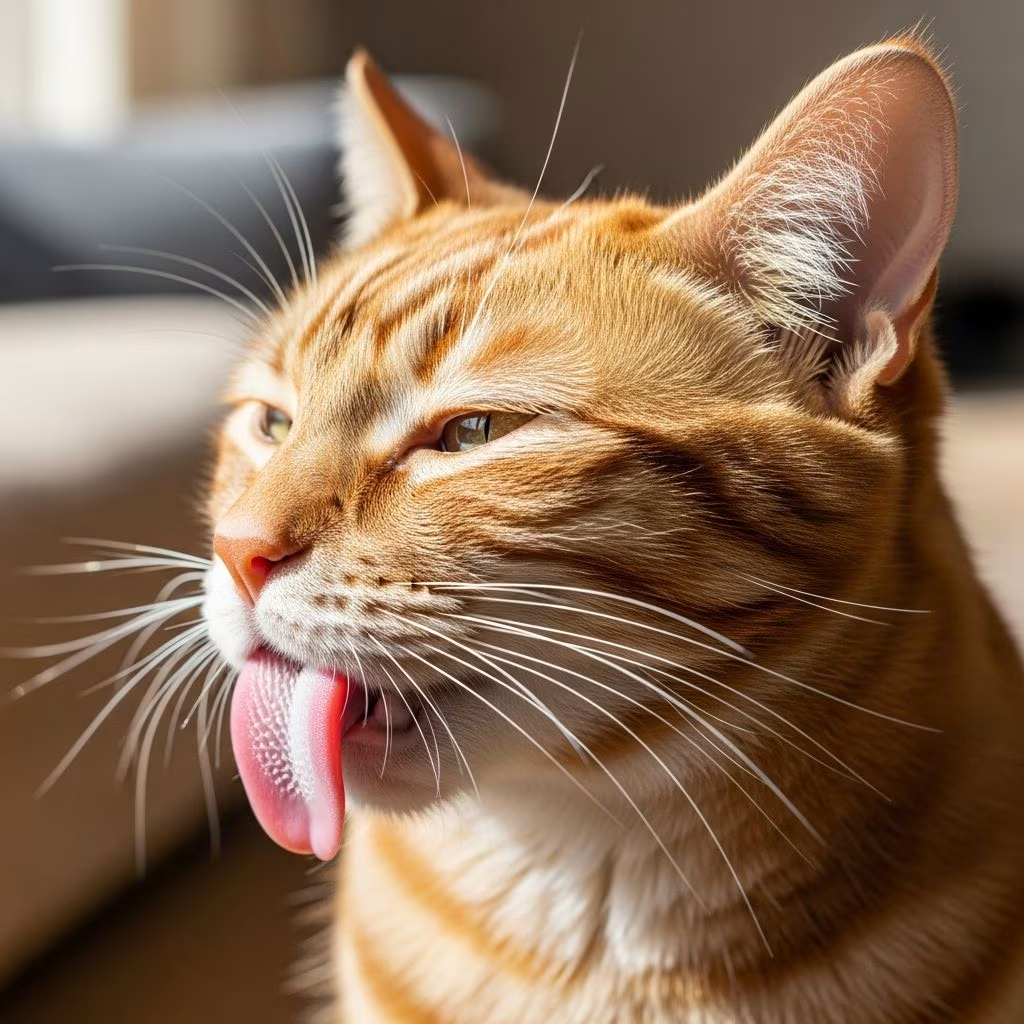
Cats spend a significant portion of their day engaged in self-grooming, and this behavior often intensifies right after human interaction like petting. This seemingly simple act serves multiple purposes, blending instinctual habits with responses to their environment. Understanding these motivations helps cat owners foster stronger bonds and spot potential health concerns early.
The Natural Grooming Instinct in Cats
At the core of a cat’s licking behavior lies their innate drive to maintain hygiene. A cat’s tongue is uniquely equipped with tiny, backward-facing spines called papillae, which act like a natural brush to remove dirt, loose fur, and parasites from their coat. This self-cleaning routine not only keeps them tidy but also distributes essential oils produced by skin glands, ensuring a healthy, shiny fur.
When you pet your cat, you stimulate their skin and coat, potentially disrupting this natural oil distribution or introducing foreign scents and textures. In response, they lick to restore order, smoothing down ruffled fur and reapplying their own scent markers. This post-petting lick is a direct extension of their daily grooming, which can occupy 30-50% of their waking hours.
- Cleaning efficiency: Papillae effectively detangle and remove debris without needing water.
- Oil spreading: Licking evenly coats the fur, preventing dryness and matting.
- Parasite control: Regular licking dislodges fleas and mites before infestations worsen.
Scent Marking and Social Bonding
Cats are territorial creatures that rely heavily on scent communication. Their bodies produce pheromones from glands located on the cheeks, paws, flanks, and tail base. Petting activates these glands, mixing your scent with theirs and prompting a licking session to “reclaim” their identity.
This behavior mimics allogrooming, where cats lick each other to build trust and group cohesion. By licking after your touch, your cat essentially treats you as part of their social circle, reinforcing the bond through shared scents. It’s a subtle sign of affection, akin to a feline “you’re one of us.”
In multi-cat households, you’ll notice increased licking among felines after play or cuddles, strengthening pack dynamics. For solitary indoor cats, humans fill this role, making post-petting licks a compliment to your companionship.
Stress Relief and Emotional Regulation
Licking triggers endorphin release in the brain, providing a calming effect similar to how humans might fidget or chew gum under pressure. When petted in sensitive areas like the belly or base of the tail, cats may experience overstimulation, leading to licking as a self-soothing mechanism.
Environmental changes—new pets, rearranged furniture, or even loud noises—can heighten anxiety, amplifying this response. Observe if licking follows petting sessions accompanied by tail flicking, ear flattening, or sudden disinterest in play; these are cues your cat needs space to decompress.
| Normal Licking Signs | Stress-Related Licking Signs |
|---|---|
| Relaxed body posture | Tense muscles, dilated pupils |
| Brief sessions post-interaction | Prolonged, repetitive motions |
| Balanced with play and eating | Neglects food or litter box |
Temperature Control Through Evaporation
Cats lack the extensive sweat glands humans have, relying instead on limited paw pad sweating and behavioral adaptations. Licking introduces saliva to the fur, which evaporates and cools the skin—a vital strategy in warm climates or stuffy homes.
During summer or after vigorous petting that raises body heat, expect more licking around the legs, belly, and flanks. Provide cooling mats, fans, and fresh water to support this natural thermoregulation and reduce reliance on excessive grooming.
When Licking Signals Underlying Health Issues
While occasional post-petting licks are benign, persistent or intense grooming warrants attention. Overgrooming, defined as licking leading to bald patches, red skin, or wounds, often stems from medical triggers rather than pure behavior.
Allergies and Skin Irritations
Flea allergies top the list, where even one bite causes intense itching, prompting furious licking of the base of the tail or hindquarters. Food sensitivities or environmental allergens like pollen provoke similar responses, manifesting as hot spots or generalized overgrooming.
Pain and Discomfort Indicators
Cats mask pain well, but targeted licking reveals issues like arthritis (licking joints), urinary tract infections (abdominal focus), or anal gland problems (rear-end obsession). Dental pain or nausea may cause excessive paw or belly licking.
Parasites and Infections
Besides fleas, mites, ringworm fungi, and tapeworms irritate the skin, driving compulsive licking. Check for dandruff-like flakes, scabs, or unusual odors as accompanying clues.
- Fleas: Black specks (flea dirt) in fur.
- Ringworm: Circular bald patches with scaling.
- Mites: Ear crusting or intense head rubbing.
Recognizing Overgrooming vs. Normal Habits
Distinguishing healthy grooming from problematic overgrooming prevents unnecessary worry. Normal cats groom sporadically throughout the day, maintaining a full coat without skin exposure. Overgrooming victims show:
- Bald spots, especially on belly, legs, or flanks.
- Skin inflammation, scabs, or secondary infections.
- Behavioral shifts like hiding, aggression, or appetite loss.
Senior or obese cats may undergroom due to mobility limits, signaling arthritis or other age-related woes. Any grooming deviation merits a vet consult for bloodwork, skin scrapes, or allergy testing.
Practical Tips to Manage and Support Your Cat’s Grooming
Enhance your cat’s well-being by complementing their natural habits:
- Regular brushing: Removes loose fur, reducing ingestion and hairballs.
- Flea prevention: Monthly topicals or collars keep parasites at bay.
- Enrichment toys: Puzzles and scratchers combat boredom-induced stress.
- Diet tweaks: Hypoallergenic foods if sensitivities suspected.
- Vet checkups: Annual exams catch issues early.
For stress, pheromone diffusers or calming treats mimic natural soothing scents. Always pet mindfully—short sessions on preferred spots like cheeks and back prevent overstimulation.
Frequently Asked Questions (FAQs)
Is it normal for my cat to lick excessively after I pet them?
Yes, mild licking redistributes scents and oils. Monitor for baldness or obsession, which could indicate allergies or anxiety.
What if my cat stops grooming altogether?
Undergrooming signals pain, depression, or illness—consult a vet promptly, especially in seniors.
How can I tell if overgrooming is behavioral or medical?
Vets rule out health issues first via exams and tests; if clear, environmental enrichment addresses behavior.
Does breed affect grooming habits?
Long-haired breeds like Persians need extra human help to prevent matting, increasing lick frequency.
Can diet influence licking behavior?
Yes, allergies to ingredients like grains or proteins trigger itching; trials of novel proteins help.
Conclusion: Embrace the Lick as a Window into Your Cat’s World
Your cat’s post-petting licks reveal a tapestry of instincts, emotions, and health status. By observing patterns and intervening thoughtfully, you ensure their comfort and vitality. Regular vet partnerships turn potential problems into manageable routines, letting your feline thrive.
References
- Why Do Cats Lick Themselves, and When Is It a Problem? — GoodRx. 2023. https://www.goodrx.com/pet-health/cat/why-do-cats-lick-so-much
- Cat Licking: What’s Behind This Common Feline Behavior? — St. Paul Pet Hospital. 2023. https://stpaulpet.com/blog/cat-licking/
- Why Do Cats Lick Themselves? — Chewy. 2023. https://www.chewy.com/education/cat/training-and-behavior/why-do-cats-lick-themselves
- Why Cats Overgroom and How You Can Stop It — PetMD. 2023. https://www.petmd.com/cat/general-health/how-tell-if-your-cat-over-grooming
- Understanding Your Cat’s Grooming Habits — Hill’s Pet Nutrition. 2023. https://www.hillspet.com/cat-care/behavior-appearance/why-cats-groom-and-lick-themselves



