

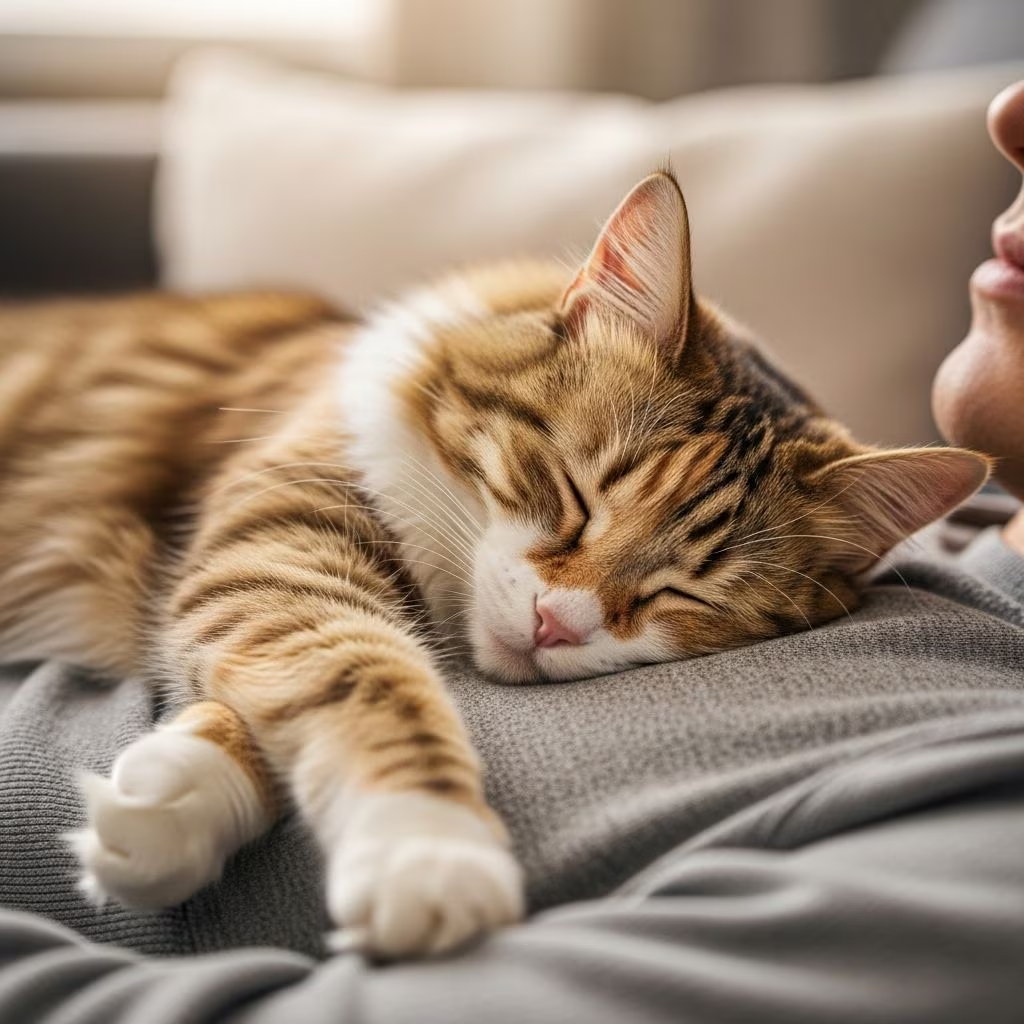
Your cat curling up on your chest is one of the most endearing behaviors feline companions exhibit. This intimate act isn’t random—it’s loaded with meaning rooted in instinct, emotion, and biology. Cats are independent creatures, yet when they choose your chest as their personal perch, it reveals deep trust and affection. Whether during a lazy afternoon nap or nighttime cuddles, this position offers insights into your cat’s world. In this comprehensive guide, we’ll explore the primary reasons behind this behavior, drawing from veterinary insights and animal behavior studies. Understanding these motivations can strengthen your bond and help you respond to your cat’s needs effectively.
It’s a Sign of Affection and Love
At the heart of why cats lay on your chest is pure, unadulterated love. Cats aren’t always overt with their emotions like dogs, but lying on your chest is their way of saying, “You’re my favorite person.” This behavior mimics how cats interact with trusted family members or other cats, using each other as “pillows” for rest. Cat behavior consultant Mike Delgado notes that cats engage in “pillowing,” snuggling up to feel close and bonded. By choosing you, your cat seeks physical closeness, often accompanied by head butts (bunting) and purring, which are feline love languages.
This affection stems from early bonding experiences. Kittens learn to trust through close contact with their mother and littermates, and adult cats transfer this to their humans. When your cat lays on your chest, they’re not just comfy—they’re expressing genuine attachment. Studies on feline social behavior show that bonded cats prefer proximity to their preferred humans, especially during vulnerable moments like sleep. Next time your cat settles in, recognize it as a compliment: you’re family.
Seeking Warmth and Comfort
Cats are warmth connoisseurs, with ideal body temperatures ranging from 99.5°F to 102.5°F. Your chest is a toasty haven, radiating steady heat that rivals sunbeams or laptop vents. Human body heat, especially from the chest and face (among the warmest areas), draws cats in like a magnet, particularly in cooler months or at night. Your soft blankets and clothing add to the appeal, making you superior to any cat bed.
Beyond heat, the rhythmic rise and fall of your breathing and the steady thump of your heartbeat provide soothing comfort. This echoes the security kittens feel nestled against their mother’s belly. Veterinarians observe that cats are attuned to these sounds, using them for reassurance much like a lullaby soothes a baby. The purring that often follows isn’t just contentment—it’s a self-soothing mechanism that benefits both of you, with research suggesting cat purrs (20-140 Hz) can lower human stress and aid healing. Allowing this cozy ritual promotes mutual relaxation.
Trust, Security, and Vulnerability
Sleep is when cats are most vulnerable, so selecting your chest signals profound trust. Cats are cautious by nature, evolved from solitary hunters who prioritize safety. By resting atop you, they gain an elevated, protected vantage point away from perceived threats like other pets or noises. Your presence makes them feel secure, akin to wild cats huddling for shared warmth and vigilance.
This behavior intensifies if your cat is older, ill, or anxious, as they seek your protective core territory. PetMD explains that chest-sleeping bonded cats crave closeness to your voice and heartbeat for comfort. If your cat suddenly amps up chest time, monitor for health changes—they might sense your elevated temperature from a fever or their own discomfort. Responding with gentle pets reinforces this trust bond.
Territory Marking and Ownership
Cats are territorial masters, using scent glands on their cheeks, paws, and flanks to claim what’s theirs—you included. Laying on your chest transfers pheromones, invisible chemical signals that announce to other cats (or pets), “This human is mine.” This mirrors cheek-rubbing or face-bunting, establishing familiarity and ownership. It’s not possessive aggression but a comforting ritual affirming your place in their world.
These pheromones promote calm for your cat too, signaling a safe zone. In multi-pet homes, increased chest-laying might assert dominance over rivals. Embrace it as a sign of deep connection rather than clinginess.
Stress, Anxiety, or Health Signals
Not all chest-laying is purely blissful. A sudden increase, especially if atypical, could indicate stress or anxiety. Cats under duress either hide or seek constant reassurance—chest perching falls into the latter. Triggers include household changes, loud noises, new pets, or illness. Conversely, it might mean they’re protecting you if they detect weakness like irregular breathing.
Benefits abound regardless: purring therapy reduces your blood pressure, while their presence combats loneliness. If persistent or paired with symptoms (lethargy, appetite loss), consult a vet to rule out issues.
Why Your Chest Specifically?
- Warmest Spot: Chest radiates optimal heat for thermal regulation.
- Heartbeat & Breathing: Mimics maternal comfort, lulling them to sleep.
- Scent Central: Close to your face for bonding pheromones.
- Elevated View: Allows room surveillance while feeling safe.
Related Behaviors Explained
Why Do Cats Knead on Your Chest?
Kneading, or “making biscuits,” is a kitten reflex to stimulate milk flow from mom. On your chest, it’s pure comfort and trust, often with purring.
Why Sit Backwards on Chest?
Backwards positioning lets them scan the room like a security camera, balancing closeness with vigilance.
Face vs. Chest Preference
Near your face, they monitor breathing or solicit food/wake-up calls. Chest offers full-body warmth.
Benefits of Chest Cuddles
| Benefit | For Cat | For Human |
|---|---|---|
| Warmth | Maintains body temp | Cozy companionship |
| Purring | Self-soothing | Stress reduction, healing |
| Bonding | Security | Lower blood pressure |
| Scent Marking | Territory assurance | Feels loved |
Frequently Asked Questions (FAQs)
Is it healthy for my cat to sleep on my chest every night?
Generally yes, if comfortable for both. Ensure good airflow to avoid overheating, especially for brachycephalic breeds.
What if my cat suddenly started doing this more?
Check for stress or health issues; sudden changes warrant a vet visit.
Do all cats do this?
No, but it’s common in affectionate, socialized cats. Shyer ones prefer distance.
Should I encourage or discourage it?
Encourage if enjoyable—it builds bonds. Gently redirect if disruptive.
Why does my cat purr loudly while on my chest?
Purring signals happiness, healing, and communication.
Chest cuddles encapsulate the magic of cat-human bonds. By tuning into these reasons—love, warmth, trust, marking, and emotional needs—you’ll foster a happier feline friend. Cherish these moments; they’re fleeting gifts from your cat.
References
- Why Do Cats Lay on Your Chest? — Outward Hound Furtropolis. 2023. https://outwardhound.com/furtropolis/cats/why-do-cats-lay-on-your-chest
- Why Does My Cat Lay On My Chest? — Main Street Veterinary Center. 2023. https://mainstreetvetcenter.com/blog/why-does-my-cat-lay-on-my-chest/
- Why Cats Lay On Your Chest — PetWellClinic. 2022-04-02. https://www.petwellclinic.com/wp/2022/04/02/why-cats-lay-on-your-chest/
- Why Does My Cat Lay on My Chest? — Petcube Blog. 2023. https://petcube.com/blog/why-does-my-cat-lay-on-my-chest/
- Why Does My Cat Sleep on My Chest? Feline Bonding Explained — Brinker Vet. 2023. https://brinkervet.com/blog/why-does-my-cat-sleep-on-my-chest-feline-bonding-explained/
- 20 Cat Sleeping Positions and What They Mean — PetMD. 2023. https://www.petmd.com/cat/general-health/cat-sleeping-positions-and-what-they-mean
- Why Do Cats Sit On Your Chest? 11 Reasons Why! — Cats.com. 2023. https://cats.com/why-do-cats-sit-on-your-chest



