

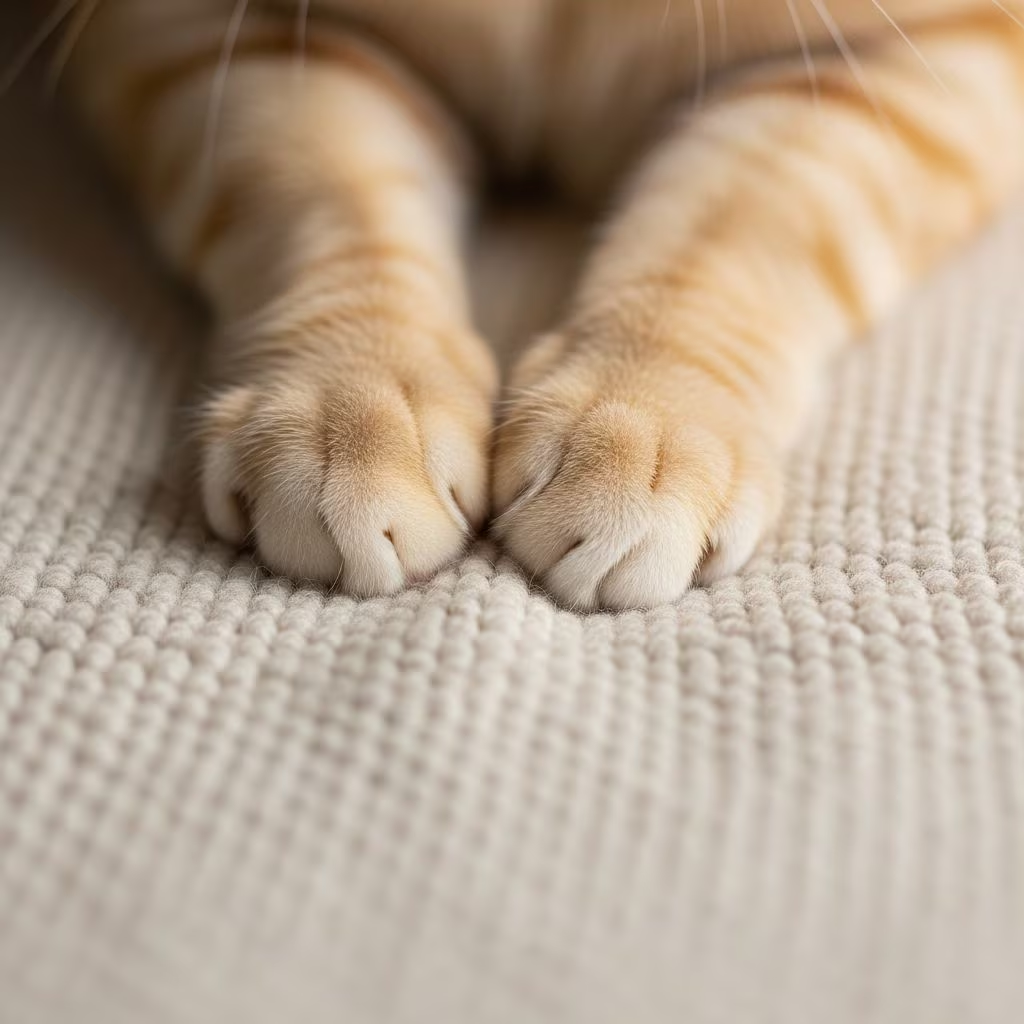
Cat kneading, often called ‘making biscuits,’ involves rhythmic paw pressing on soft surfaces, revealing deep instincts tied to survival, comfort, and communication. This behavior persists from kittenhood into adulthood, serving multiple purposes like relaxation and scent marking.
The Instinctive Roots in Kitten Development
Kittens start kneading shortly after birth to stimulate their mother’s milk production. By alternating paws against the mammary glands, they trigger oxytocin release, ensuring a steady nutrient flow essential for growth.
This early action also fosters bonding through pheromones from paw pad glands. These chemical signals convey health, identity, and affiliation, strengthening the mother-kitten connection and promoting appeasement in social groups.
As kittens wean, the habit lingers due to neoteny, where juvenile traits carry into maturity. This adaptation aids domestication, helping cats integrate with humans by retaining endearing, nurturing-linked behaviors.
Evolutionary Purposes Beyond Nursing
Wild ancestors kneaded vegetation to create secure nests for resting or birthing, flattening grass for comfort and safety. Domestic cats inherit this, often preparing soft spots before napping.
Paw glands release pheromones during kneading, marking territory and signaling ownership. This olfactory claim reassures cats in shared spaces, reducing conflicts in multi-pet homes.
- Nest preparation: Flattens surfaces for secure rest, echoing wild survival tactics.
- Scent marking: Deposits unique pheromones to claim areas.
- Physical stretch: Exercises forelimb muscles, promoting flexibility.
Emotional and Physiological Benefits for Adult Cats
In maturity, kneading induces relaxation by releasing endorphins, natural mood elevators. Cats often enter a trance-like state, eyes half-closed, purring deeply as stress melts away.
It signals profound trust when directed at owners, mimicking maternal nursing comfort. Females in heat may knead to advertise readiness, though this is less common.
Anxiety reduction makes kneading a self-soothing tool, especially in new environments. Providing plush blankets encourages this positive outlet.
Variations in Kneading Styles Among Cats
Not all cats knead identically; individual personalities shine through. Some extend claws, causing discomfort on laps, while others keep them retracted for gentle pats.
| Kneading Style | Description | Common Triggers |
|---|---|---|
| Gentle Patting | Retracted claws, soft rhythm | Relaxation on laps or beds |
| Clawed Digging | Extended claws, vigorous push | High excitement or blankets |
| Suckling Combo | Kneading with nursing motions | Intense comfort seeking |
| Zen Trance | Slow, hypnotic motion | Deep contentment |
These differences reflect genetics, early experiences, and environment, with some cats ‘marching’ on hard surfaces instead.
Addressing Painful or Destructive Kneading
Sharp claws during lap kneading can hurt; trim nails regularly and offer alternatives like scratching posts or cat trees with soft tops. Redirect to blankets treated with synthetic pheromones.
In multi-cat homes, excessive kneading signals stress; enrich environments with vertical spaces and toys to minimize territorial tensions. Consult vets if paired with aggression.
- Provide thick blankets or towels for sessions.
- Use claw caps for safety.
- Incorporate pheromone diffusers for calm.
Health Insights from Kneading Patterns
Observe changes: sudden increases may indicate pain, like arthritis, prompting paw overuse for relief. Decreased kneading could signal depression or illness; track alongside appetite and activity.
Healthy kneading promotes circulation and muscle tone, but excessive force warrants a vet check for underlying issues.
Enhancing Your Cat’s Kneading Experience
Create dedicated zones with memory foam mats or heated beds to satisfy instincts safely. Rotate textures to prevent boredom, fostering mental stimulation.
Respond positively during sessions with gentle strokes, reinforcing bonds without interrupting the flow. This mutual enjoyment deepens companionship.
Common Myths About Cat Kneading Debunked
Myth: Only kittens knead. Reality: Adults continue for comfort and communication.
Myth: It’s always affectionate. Reality: Can mark territory or self-soothe independently.
Myth: Punish to stop. Reality: Redirect; suppression causes stress.
Frequently Asked Questions
Do all cats knead?
Most do, rooted in instinct, but some rarely exhibit it due to personality or upbringing.
Why does my cat knead and suckle?
This combines nursing memories with endorphin release, common in relaxed states.
Is kneading a sign of pain?
Usually contentment, but monitor for changes indicating health issues.
How to protect furniture from kneading?
Use protective covers and provide alternatives like sisal pads.
Can kneading help anxious cats?
Yes, it releases calming hormones; pair with environmental enrichment.
References
- The Science of Affection That Makes Cats Knead You — ScienceAlert. 2023-05-15. https://www.sciencealert.com/the-science-of-affection-that-makes-cats-knead-you
- Why Do Cats Knead? — Preventive Vet. 2024-02-10. https://www.preventivevet.com/cats/why-do-cats-knead
- Why do cats knead? | Expert Insights — The Cat Behavior Clinic. 2023-11-20. https://www.thecatbehaviorclinic.com/why-do-cats-knead/
- The Science and Secrets Behind Cat Kneading — CatTree.uk. 2024-01-05. https://cattree.uk/the-science-and-secrets-behind-cat-kneading/
- Kneading (cats) — Wikipedia. 2025-08-12. https://en.wikipedia.org/wiki/Kneading_(cats)



