

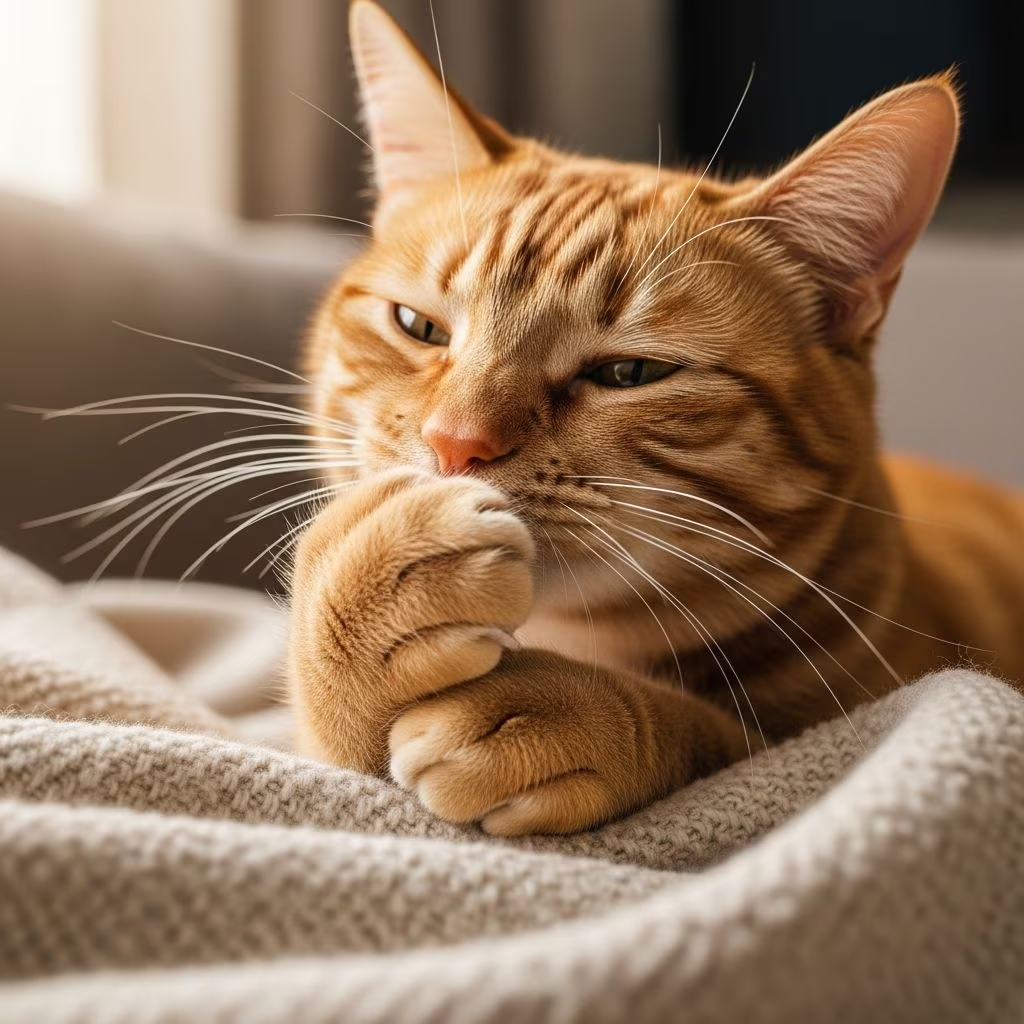
Cat kneading, that rhythmic pushing of paws against soft surfaces like blankets, laps, or beds, captivates many pet owners. This behavior, often accompanied by purring, reveals deep insights into a cat’s emotional world and instincts.
The Instinctive Roots of Kneading in Kittens
Kneading begins in early kittenhood as a survival mechanism. Newborn kittens press their paws into their mother’s abdomen to stimulate milk letdown, triggering oxytocin release in the mother for better milk flow.
This action not only ensures nourishment but also strengthens the bond through tactile and pheromone communication. Paw pads contain scent glands that release bonding pheromones, signaling health and identity to the mother.
As kittens grow, this habit persists due to neoteny, where juvenile traits carry into adulthood, aiding socialization with humans and other pets.
How Kneading Evolves in Adult Cats
Adult cats knead for reasons beyond nursing. Wild ancestors kneaded grass or foliage to create safe nests, flattening materials for rest—a behavior echoed in domestic cats preparing beds or blankets.
The motion stretches muscles, relieves tension, and releases dopamine, a feel-good neurotransmitter promoting relaxation and pleasure.
- Relaxation trigger: Kneading often precedes sleep, mimicking nest-making for comfort.
- Endorphin boost: Rhythmic pawing induces calming chemicals, reducing stress.
- Exercise element: It flexes paws, legs, and shoulders, maintaining flexibility.
Scent Marking: Claiming Territory with Paws
A key function of kneading is territorial. Scent glands in paw pads deposit pheromones onto surfaces, blankets, or people, marking them as ‘mine.’ This subtle claiming fosters security.
Unlike spraying, kneading is gentle communication. When cats knead owners, it signifies trust, blending affection with ownership.
| Behavior | Purpose | Surface Example |
|---|---|---|
| Kneading on blankets | Nest prep + scent | Bedding |
| Kneading on laps | Affection + marking | Owner’s clothing |
| Kneading on toys | Territory claim | Fabric items |
Kneading as a Sign of Affection and Trust
When directed at humans, kneading shows profound bonding. It recreates the security of nursing, indicating the owner is a safe ‘parent’ figure.
Purring often accompanies it, amplifying contentment. Cats may drool or suckle fabrics, remnants of kitten comfort-seeking.
This vulnerability—exposing belly or claws retracted—demonstrates trust, strengthening human-feline relationships.
When Kneading Signals Stress or Health Issues
While usually positive, excessive kneading warrants attention. It can self-soothe anxiety in new environments or during changes.
Compulsive kneading with suckling might indicate stress disorders, boosted by dopamine reinforcement.
Pain from arthritis or injury could prompt more kneading for relief; consult vets if frequency surges.
- Normal frequency: Occasional, with purring on soft spots.
- Concerning signs: Non-stop, aggressive claws, or sudden increase.
Individual Variations in Kneading Habits
Not all cats knead equally. Breed, personality, and early experiences influence it. Some knead vigorously with claws out, others gently.
Male and female cats knead similarly, though spaying/neutering doesn’t alter the instinct. Early weaning might intensify adult kneading as comfort-seeking.
Practical Tips for Managing Cat Kneading
Protect furniture by providing alternatives: scratch pads, blankets, or cat beds designated for kneading.
Trim claws regularly to minimize damage. If on laps, use thick blankets as barriers.
Encourage positive outlets like interactive toys to channel energy, reducing stress-induced kneading.
FAQs About Cat Kneading
Is cat kneading always a good sign?
Mostly yes, indicating happiness, but excessive amounts may signal stress or pain—monitor patterns.
Why do some cats knead with claws out?
Instinct from nest-making; claws help grip but can be managed with regular trims.
Can kneading be stopped?
Not advisable—it’s natural. Redirect to appropriate surfaces instead.
Do all cats knead?
No, but most do; variations depend on genetics and upbringing.
Is kneading linked to purring?
Yes, both express contentment and often co-occur.
Debunking Myths About Feline Kneading
Myth: Kneading means your cat still thinks it’s a kitten. Reality: It’s neoteny and multi-purpose instinct.
Myth: Only affectionate cats knead. Reality: All do for various reasons, affection included.
Understanding kneading enriches cat ownership, turning a quirky habit into a window on feline emotions.
References
- Understanding why cats knead and bunt: The science behind feline behaviors — COAPE. Accessed 2026. https://coape.org/understanding-why-cats-knead-and-bunt-the-science-behind-feline-behaviors/
- The Science of Affection That Makes Cats Knead You — ScienceAlert. Accessed 2026. https://www.sciencealert.com/the-science-of-affection-that-makes-cats-knead-you
- Why do cats knead? | Expert Insights — The Cat Behavior Clinic. Accessed 2026. https://www.thecatbehaviorclinic.com/why-do-cats-knead/
- Why Do Cats Knead? — PetMD. Accessed 2026. https://www.petmd.com/cat/behavior/why-do-cats-knead
- The (very cute) science of why cats knead — BBC Science Focus Magazine. Accessed 2026. https://www.sciencefocus.com/nature/why-do-cats-knead
- Why Do Cats Knead? — AAHA. Accessed 2026. https://www.aaha.org/resources/is-my-cats-kneading-normal/



