

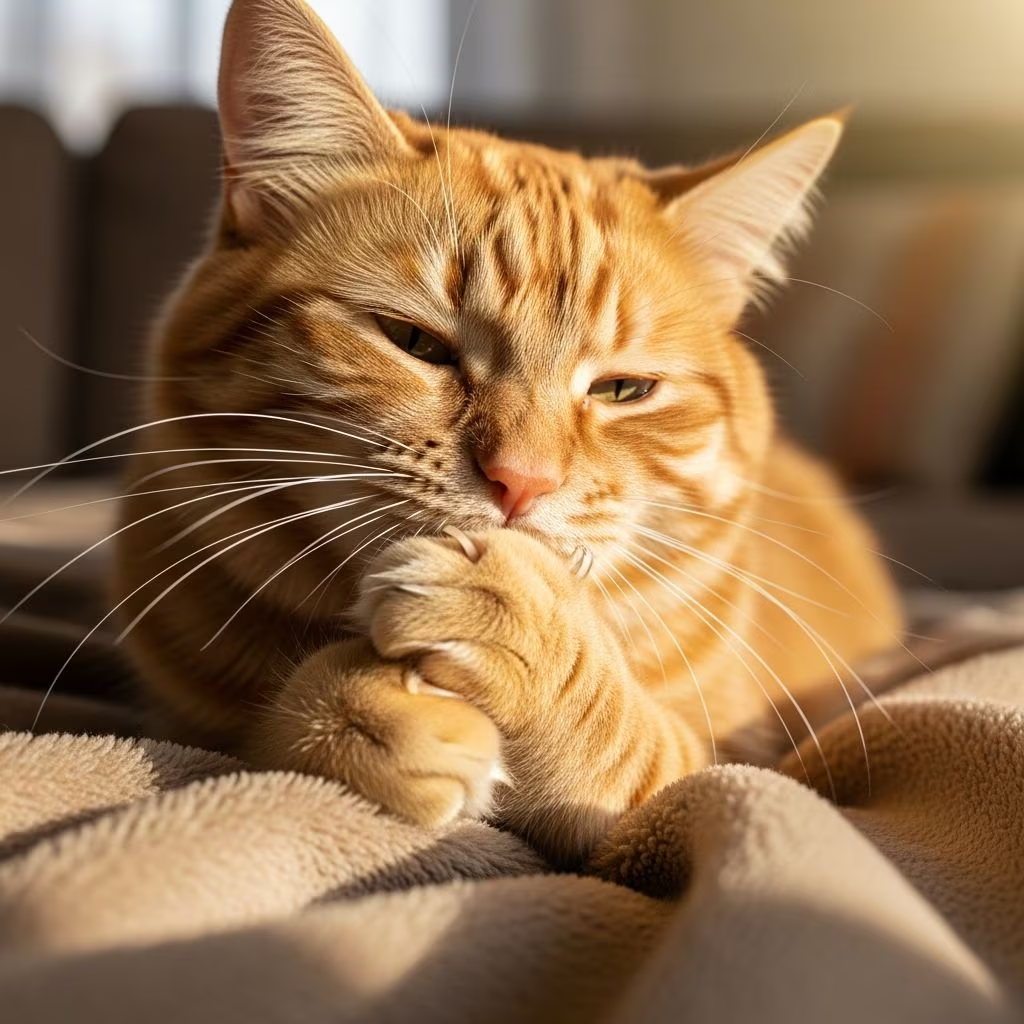
Cat kneading, that rhythmic pushing of paws against soft surfaces like blankets or laps, captivates pet owners worldwide. This behavior, often accompanied by purring, reveals deep insights into a cat’s emotional world and evolutionary past. Far from random, kneading serves multiple purposes, blending survival instincts with expressions of comfort and affection.
The Primal Roots of Kneading in Kittens
Kneading begins in early kittenhood as a survival mechanism. Newborn kittens press their tiny paws into their mother’s abdomen to stimulate milk let-down, triggering oxytocin release in the mother for better milk flow. This action ensures nourishment and fosters early bonding through tactile and pheromone communication.
As kittens grow, this motion associates with safety and satiety. Domestic cats retain this into adulthood due to neoteny, where juvenile traits persist, aiding socialization with humans. Wild ancestors kneaded foliage to craft secure nests, flattening grass for rest—a habit echoed in modern cats preparing beds.
- Milk stimulation: Paw pressure massages mammary glands, boosting milk production via hormonal response.
- Nest preparation: Flattens bedding for comfort, inherited from wild felines.
- Early bonding: Releases bonding pheromones, strengthening mother-kitten ties.
Scent Marking: Claiming Territory with Paws
Cats possess eccrine scent glands in their paw pads, loaded with unique pheromones. Kneading deposits these onto surfaces, blankets, or people, subtly marking territory without visual cues. This invisible claim reassures the cat of ownership and deters rivals.
In multi-cat homes, kneading intensifies on shared items, signaling “this is mine.” The “cat-appeasing pheromone” from these glands promotes calm and reduces aggression, benefiting household harmony.
| Behavior | Purpose | Scent Gland Role |
|---|---|---|
| Kneading on blankets | Territorial claim | Deposits ownership pheromones |
| Kneading on owners | Affection + marking | Mixes personal scent with human |
| Kneading furniture | Environmental security | Reinforces safe space |
Relaxation and Stress Relief Through Rhythmic Motion
Kneading induces dopamine release, the brain’s feel-good chemical, creating pleasure and calm. Adult cats knead during contentment, mimicking nursing’s bliss, or to self-soothe anxiety in new environments.
This endorphin boost stretches muscles, relieves limb tension, and prepares rest spots. Observe your cat: paws alternate in slow pushes, eyes half-closed, purrs rumbling—pure feline zen.
- Dopamine trigger: Enhances mood, motivates repetition.
- Muscle stretch: Maintains flexibility in paws, shoulders, legs.
- Self-soothing: Calms stress, akin to human fidgeting.
Kneading as a Sign of Trust and Love
When directed at owners, kneading screams affection. It equates humans to the mother figure, signifying ultimate trust. Purring often pairs with it, amplifying the bond.
Cats knead select people or pets, reserving this for favorites. It’s communication: “You make me feel safe.” In return, owners feel the sharp claws, prompting protective blankets.
Potential Concerns: When Kneading Signals Issues
Normal kneading is occasional and blissful. Excessive bouts, especially with wool-sucking or aggression, may indicate compulsive disorders, pain from arthritis, or injury-induced stretching.
Monitor changes: sudden increases warrant vet checks for underlying health issues. Provide alternatives like scratching posts to redirect claws.
Red Flags: Over-kneading, vocalizing in pain, limping, or fabric destruction—consult a vet promptly.
Understanding Variations Across Cats
Not all cats knead identically. Some “make biscuits” vigorously, others gently pat. Breed influences: Siamese retain strong nursing mimics, while others focus on marking.
Age matters—seniors knead less due to mobility, but cherish lap sessions. Environment shapes it: stressed cats knead more for comfort.
Practical Tips for Cat Owners
Embrace kneading but protect yourself. Strategies include:
- Offer dedicated blankets or cat beds for kneading zones.
- Trim nails regularly to minimize scratches.
- Use pheromone diffusers mimicking paw scents for added calm.
- Enrich environment with towers, toys to reduce stress-kneading.
Never punish kneading—it’s innate. Instead, channel it positively for a happier cat.
FAQs: Common Questions About Cat Kneading
Is cat kneading always a good sign?
Usually yes, indicating happiness. Excessive may signal stress or health issues—watch for patterns.
Why do cats knead and bite or suckle?
This combines nursing memory with comfort-seeking, common in early-weaned kittens.
How to stop destructive kneading?
Provide alternatives, trim claws, ignore attention-seeking bouts.
Do all cats knead?
Most do, but ferals less so. Domestic neoteny boosts it.
Is kneading painful for cats?
No, it’s pleasurable via endorphins. Pain prompts vet visits if altered.
Kneading unveils the cat’s soul: instinct, emotion, history in each paw push. By understanding it, owners deepen their bond, turning quirky habits into cherished rituals.
References
- Understanding why cats knead and bunt: The science behind feline behaviors — COAPE. 2023. https://coape.org/understanding-why-cats-knead-and-bunt-the-science-behind-feline-behaviors/
- The Science of Affection That Makes Cats Knead You — ScienceAlert. 2023. https://www.sciencealert.com/the-science-of-affection-that-makes-cats-knead-you
- Why do cats knead? | Expert Insights — The Cat Behavior Clinic. 2024. https://www.thecatbehaviorclinic.com/why-do-cats-knead/
- Why Do Cats Knead? — PetMD. 2024-01-15. https://www.petmd.com/cat/behavior/why-do-cats-knead
- The (very cute) science of why cats knead — BBC Science Focus Magazine. 2023. https://www.sciencefocus.com/nature/why-do-cats-knead
- Kneading (cats) — Wikipedia. 2024. https://en.wikipedia.org/wiki/Kneading_(cats)
- Why Do Cats Knead? — AAHA. 2024. https://www.aaha.org/resources/is-my-cats-kneading-normal/



