

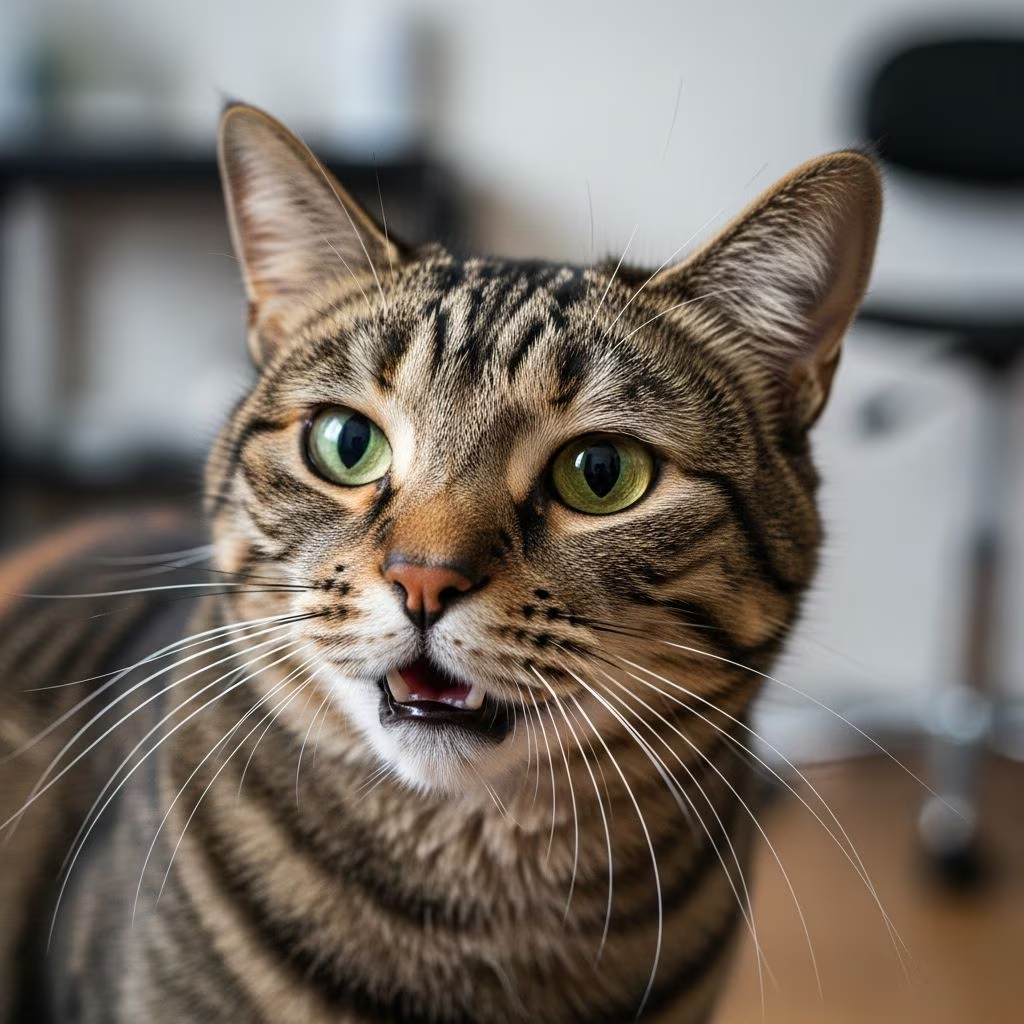
Cat huffing refers to short, sharp exhalations or puffing sounds that felines make, often signaling exertion, emotion, or health concerns. While occasional huffing after activity is typically harmless, persistent or unusual patterns warrant closer observation to rule out underlying problems.
Recognizing Normal vs. Abnormal Huffing Patterns
Healthy cats may huff briefly during intense play or when winded from chasing toys, resolving quickly as they recover. This mimics human panting and indicates efficient recovery in fit animals. In contrast, huffing at rest, with open-mouth breathing, or alongside lethargy points to potential issues requiring prompt attention.
Monitor frequency, duration, and context: post-exercise huffing under 30 seconds is normal, but labored efforts exceeding a minute suggest distress. Respiratory rates over 30 breaths per minute at rest also flag concerns.
Everyday Triggers for Cat Huffing
Several benign factors prompt huffing without health risks.
- Physical Activity: Sprinting, leaping, or wrestling toys elevates heart rates, leading to temporary huffing as oxygen demand stabilizes. Overweight cats huff more due to reduced endurance.
- Emotional Responses: Annoyance from petting interruptions or territorial disputes elicits huffing as a vocal warning, akin to a sigh of frustration.
- Environmental Stress: New pets, renovations, or loud events cause anxiety-driven huffing, often with hiding or overgrooming.
These instances self-resolve with calm environments and routine stability.
Health-Related Causes of Huffing in Cats
When huffing persists, medical evaluation is essential. Key conditions include:
| Condition | Symptoms | Common Breeds Affected |
|---|---|---|
| Feline Asthma | Wheezing, coughing, huffing attacks triggered by allergens | Siamese, Persians |
| Heart Disease (e.g., HCM) | Huffing at rest, rapid breathing, blue gums | Maine Coons, Ragdolls |
| Upper Respiratory Infections | Snuffling, discharge, sneezing | All breeds |
| Heartworm Disease | Labored breathing, coughing | Outdoor cats |
Asthma inflames airways, causing episodic huffing from dust or smoke. Heart conditions like hypertrophic cardiomyopathy impair circulation, leading to oxygen shortages. Infections produce mucus blockages, forcing huffing to clear paths. Parasites such as heartworms exacerbate lung strain.
Pain and Discomfort as Hidden Culprits
Cats mask pain adeptly, but huffing can betray issues like dental problems, arthritis, or gastrointestinal upset. Post-drinking huffing might indicate oral pain or reflux. Abdominal discomfort from diet changes prompts huffing to ease pressure. Watch for appetite loss or mobility reluctance alongside huffing.
Diagnostic Steps for Persistent Huffing
Veterinarians start with physical exams, auscultating lungs and heart. Further tests include:
- Blood work for infections or organ function.
- Imaging like X-rays or ultrasounds for fluid, tumors, or enlargement.
- Specialized checks for parasites or leukemia.
Early diagnosis improves outcomes, especially for progressive diseases like heart failure.
Immediate Action: When to Contact a Vet
Seek care if huffing accompanies:
- Open-mouth breathing or neck extension.
- Coughing without hairball expulsion.
- Lethargy, appetite decline, or gum discoloration.
- Post-water huffing with drooling or pawing at mouth.
Emergencies include rapid escalation or collapse—rush to an ER vet.
Preventing and Managing Huffing at Home
Proactive steps reduce risks:
- Maintain ideal weight via portion control and play.
- Use air purifiers and avoid smoke to minimize asthma triggers.
- Incorporate pheromone products for stress relief.
- Schedule preventives for heartworms and regular dental checks.
- Provide quiet retreats during changes.
For diagnosed asthma, inhalers deliver targeted relief. Heart meds manage fluid buildup.
Breed Predispositions and Risk Factors
Certain breeds face higher odds: brachycephalic types like Persians struggle with narrowed airways, amplifying huffing. Maine Coons risk HCM genetically. Outdoor lifestyles invite infections and parasites. Seniors and obese cats show increased vulnerability across causes.
FAQs on Cat Huffing
What does it mean if my cat huffs while sleeping?
Resting huffing signals respiratory distress or heart issues—consult a vet promptly.
Is huffing after play normal?
Yes, if brief and without distress; monitor overweight cats closely.
Can stress alone cause chronic huffing?
Temporary yes, but ongoing requires ruling out medical causes.
How does obesity contribute?
Excess fat compresses lungs, hastening fatigue and huffing.
What’s the difference between huffing and wheezing?
Huffing is puffing exhalations; wheezing is high-pitched whistling from narrowed airways.
Long-Term Monitoring for Feline Respiratory Health
Track breathing daily, noting patterns in a journal for vet visits. Annual checkups catch subclinical issues early. Home adjustments like hypoallergenic litter and fresh air ventilation support wellness.
Understanding huffing empowers owners to differentiate routine from risky, ensuring timely interventions that extend happy, healthy lives.
References
- Why Is My Cat Huffing? Causes and When to Worry — Alibaba Cat Lovers. 2023. https://catlovers.alibaba.com/question/why-is-my-cat-huffing
- Why Do Cats Huff? — Cats.com. 2023. https://cats.com/why-do-cats-huff
- Cat Huffing After Drinking Water: What You Need to Know — UAH Pet. 2023. https://www.uahpet.com/blogs/post/cat-huffing-after-drinking-water-what-you-need-to-know
- Why Is My Cat Wheezing? Causes, Symptoms, and When to Call the Vet — Fur Gent Care Vet. 2023. https://www.furgentcarevet.com/blog/why-is-my-cat-wheezing-causes-symptoms-and-when-to-call-the-vet
- Why Is My Cat Wheezing? — Trudell Animal Health. 2023. https://trudellanimalhealth.com/blogs/blog/why-is-my-cat-wheezing



