

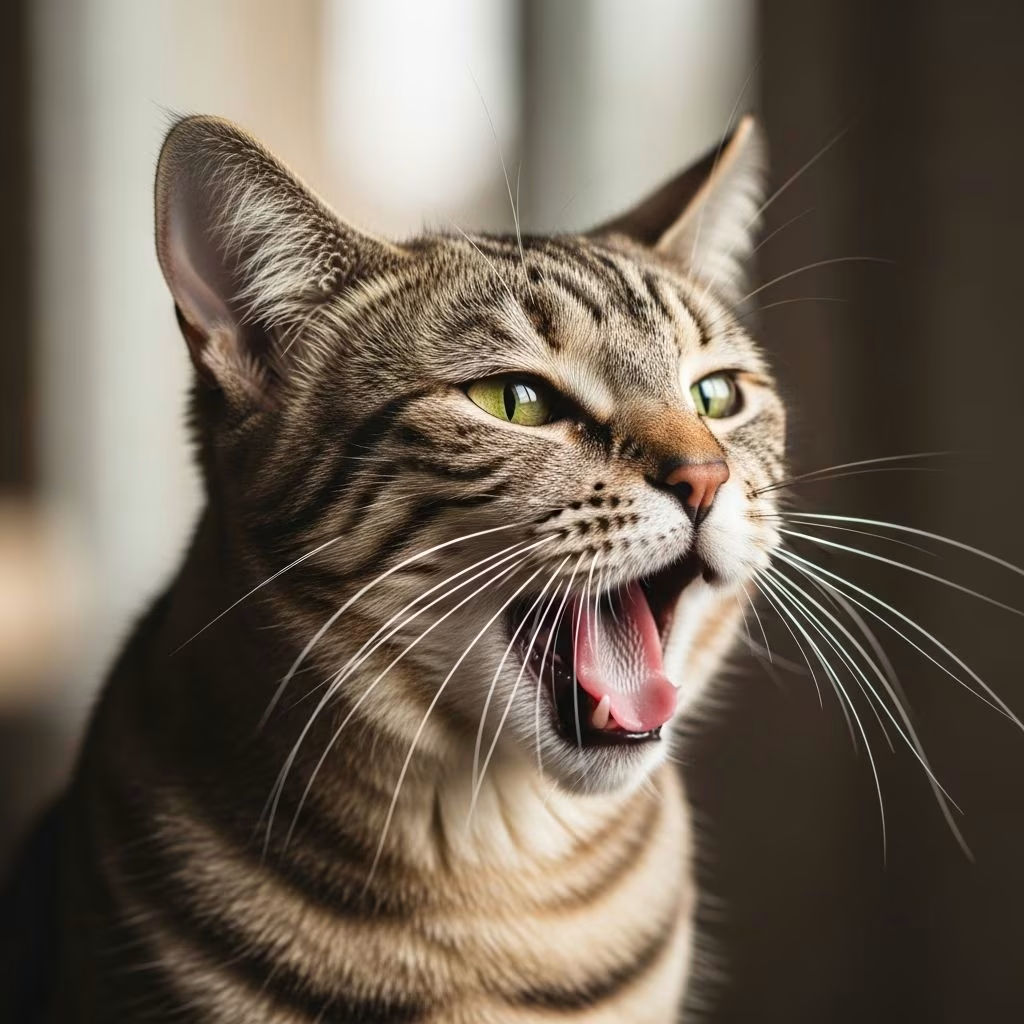
Cat howling, often a piercing yowl or prolonged meow, disrupts households and signals underlying issues ranging from health problems to unmet needs. Understanding these vocalizations helps owners respond effectively, promoting a harmonious home.
Decoding Feline Vocalizations
Cats use a spectrum of sounds to communicate, with howling typically deeper and more intense than standard meows. This guttural call, known as caterwauling, combines yowls, howls, and whines to express urgency. Indoor cats direct howls at humans for attention, while outdoor ones use them for mating or territory disputes. Recognizing patterns—such as timing, pitch, and accompanying behaviors—pinpoints the root cause.
Health-Related Triggers for Howling
Medical conditions frequently prompt excessive howling, as cats vocalize discomfort they cannot otherwise express. Senior cats are particularly prone, with issues escalating vocal demands.
Hyperthyroidism in Older Cats
Hyperthyroidism, an overactive thyroid, is a leading cause of heightened vocalization in seniors. Symptoms include increased appetite, weight loss, thirst, restlessness, and persistent howling. This metabolic surge causes anxiety and discomfort, often worsening at night. Blood tests confirm diagnosis; treatments like medication or specialized diets restore balance.
Pain and Chronic Discomfort
Pain from arthritis, dental disease, or urinary tract infections triggers low-pitched, urgent howls. Arthritis stiffens joints in older cats, prompting cries during movement. Urinary issues cause straining and vocal distress in the litter box, especially in males prone to blockages—a veterinary emergency. Watch for limping, hiding, appetite changes, or frequent litter visits.
Other Systemic Illnesses
Kidney disease and hypertension also provoke howling, often with high blood pressure damaging organs. Cognitive dysfunction, akin to feline dementia, disorients seniors, leading to nighttime yowls from confusion. Routine veterinary exams with blood work and urinalysis rule out these.
| Condition | Key Symptoms | Action Steps |
|---|---|---|
| Hyperthyroidism | Weight loss, hyperactivity, thirst | Blood tests, medication |
| Arthritis/Pain | Limping, hiding, urgent cries | Physical exam, pain relief |
| Urinary Issues | Straining, frequent box visits | Urinalysis, emergency if blocked |
| Cognitive Dysfunction | Nighttime disorientation, confusion | Vet evaluation, supplements |
Behavioral Reasons Behind Excessive Howling
When health checks clear, behavior often drives howling. Cats are routine-oriented; disruptions amplify vocal pleas.
Mating Instincts and Heat Cycles
Unspayed females and unneutered males howl loudly during heat, with yowls signaling reproductive urges. Restlessness, rolling, and escape attempts accompany this. Spaying or neutering eliminates these cycles, curbing vocalizations.
Attention-Seeking and Boredom
Bored indoor cats howl for interaction, especially if owners reinforce by responding. Nighttime energy buildup from insufficient daytime play leads to wake-up calls. Kittens and young adults are energetic culprits.
Stress from Environmental Shifts
Moves, new pets, family changes, or routine alterations spark anxiety-fueled howls. Multi-cat homes see territorial yowls; new arrivals adjust slowly. Signs include hiding, aggression, or inappropriate elimination.
Nighttime Howling: Special Considerations
Howling peaks at night due to natural crepuscular rhythms—cats are most active at dawn and dusk. Hunger wakens them, prompting bowl-side serenades. Seniors with cognitive issues yowl from disorientation in darkness.
- Hunger/Thirst: Empty bowls trigger demands; use timed feeders.
- Loneliness: Solitary cats seek companionship post-sunset.
- Outdoor Calls: Indoor cats mimic feral howls for imagined mates or prey.
Proven Strategies to Reduce Howling
Addressing causes systematically quiets cats. Start with a vet visit to exclude medical issues, then modify behavior and environment.
Medical Interventions
Post-diagnosis, treatments like thyroid meds, pain relievers, or anxiety aids (e.g., Gabapentin) calm vocal cats. Monitor progress with follow-ups.
Enriching the Indoor Environment
Combat boredom with interactive toys, food puzzles, window perches, and vertical spaces. Scheduled play burns energy, mimicking hunts.
- Daily 15-20 minute sessions with wand toys.
- Puzzle feeders for mental workouts.
- Nightlights for disoriented seniors.
Establishing Routines and Boundaries
Consistent feeding, play, and bedtime routines reassure cats. Ignore attention howls—respond only to quiet. Automatic feeders prevent hunger cries.
Stress Reduction Techniques
Synthetic pheromones (Feliway), safe hiding spots, and gradual introductions ease anxiety. Fear-free vet approaches minimize exam stress.
Training with Positive Reinforcement
Reward silence with treats or play. Redirect howls to toys. Persistent cases benefit from behaviorist plans.
| Trigger | Quick Fix | Long-Term Solution |
|---|---|---|
| Night Hunger | Auto-feeder | Evening meal adjustment |
| Boredom | Play session | Enrichment toys daily |
| Stress | Pheromone diffuser | Routine consistency |
| Attention | Ignore vocal, reward quiet | Scheduled interaction |
When to Seek Professional Help
If howling persists post-changes, or includes lethargy, vomiting, or elimination issues, consult a vet immediately. Behaviorists aid complex cases.
FAQs
Why does my cat howl at night?
Night howls stem from hunger, boredom, cognitive issues, or illness like hyperthyroidism. Play before bed and use feeders help.
Is cat howling always a health problem?
No, but rule out medical causes first. Behavioral factors like stress or mating dominate otherwise.
How can I stop attention-seeking howls?
Ignore during episodes, reward quiet behavior, and provide daytime enrichment.
Do senior cats howl more?
Yes, due to hyperthyroidism, pain, or dementia. Vet checks are essential.
Should I let my cat outside to stop howling?
No, outdoor risks outweigh benefits. Indoor enrichment mimics natural behaviors safely.
References
- Why Is My Cat Meowing So Much? Understanding Feline Vocalization — Star of Texas Veterinary Hospital. 2023. https://staroftexasvet.com/why-is-my-cat-meowing-so-much-understanding-feline-vocalization-and-what-it-means/
- Why Is My Cat Meowing So Much? Exploring Excessive Vocalization in Cats — Cane Bay Vet Clinic. 2024. https://canebayvetclinic.com/why-is-my-cat-meowing-so-much-exploring-excessive-vocalization-in-cats/
- Cat Meowing at Night? 6 Tips to Stop the Noise — Lady N Pet. 2023. https://ladynpet.com/us/blog/cat-meowing-at-night/
- The Cat’s Meow! Caterwauling in Cats — VCA Animal Hospitals. 2024. https://vcahospitals.com/know-your-pet/the-cats-meow-caterwauling-in-cats
- Why Does My Cat Meow at Night? 6 Reasons & Ways to Prevent It — Purina. 2024. https://www.purina.com/articles/cat/behavior/training/cat-meowing-at-night
- Meowing and Yowling — ASPCA. 2023. https://www.aspca.org/pet-care/cat-care/common-cat-behavior-issues/meowing-and-yowling
- Meowing and Yowling — Alley Cat Rescue. 2023. https://www.saveacat.org/meowing-and-yowling.html



