

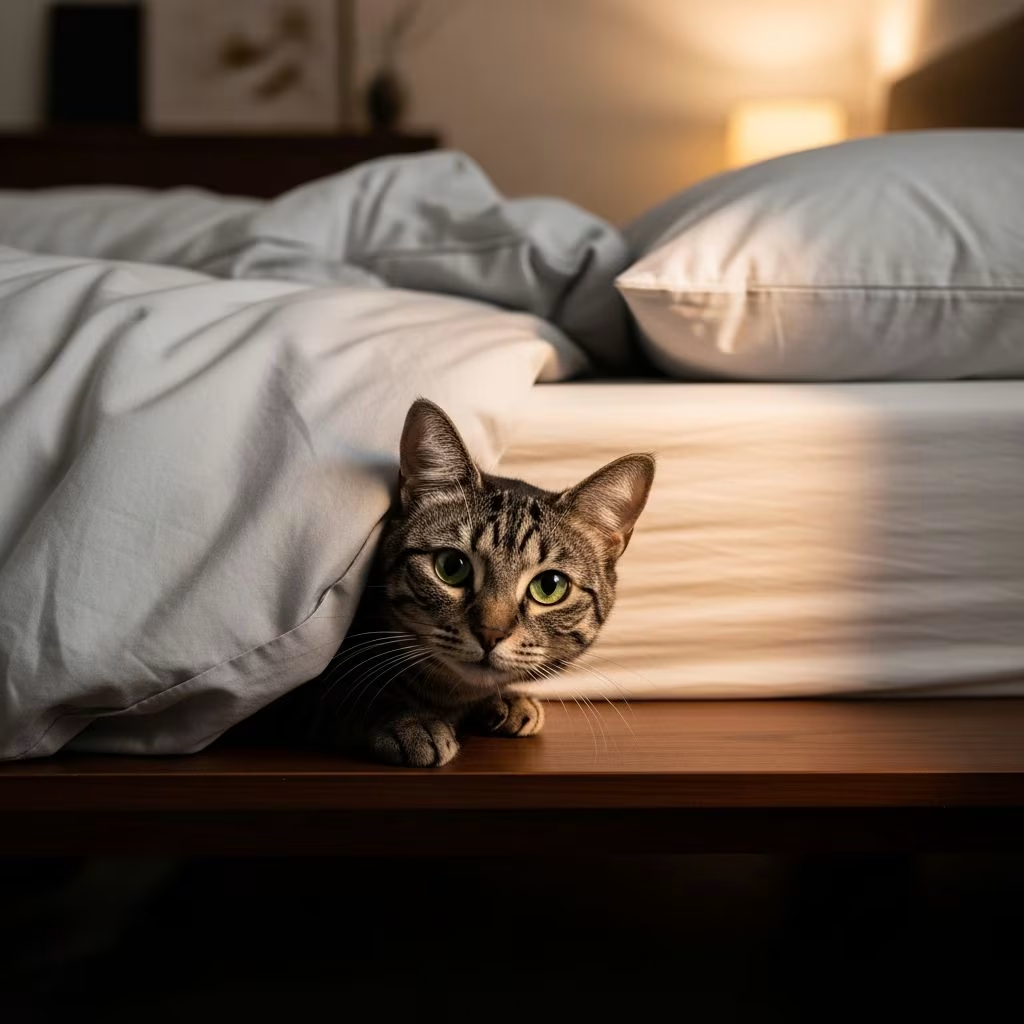
Cats often choose the space beneath the bed as their go-to sleeping spot, offering a glimpse into their inner world. This behavior stems from a mix of natural instincts, environmental factors, and emotional states, helping owners better understand and support their pets.
Understanding Feline Hiding Instincts
Cats descend from wild ancestors who prioritized concealed resting areas for safety. Modern domestic cats retain this trait, viewing under-bed spaces as ideal retreats due to their enclosed, elevated nature that limits access while allowing observation.
Primary Reasons for Under-Bed Retreats
Several factors drive this preference. Here’s a breakdown of the most prevalent causes:
- Fear Responses: Sudden threats trigger a flight response, directing cats to tight spaces for protection.
- Environmental Shifts: Major life changes disrupt routines, prompting withdrawal.
- Multi-Pet Dynamics: Competition with other animals leads to seeking isolated zones.
- Unfamiliar Environments: New homes or rooms feel overwhelming, so cats bunker down.
- Stress and Anxiety: Ongoing tension from various sources causes prolonged hiding.
Environmental Triggers
External stimuli play a significant role. Loud sounds like thunderstorms or fireworks send cats scrambling for cover, where muffled acoustics provide relief. Household chaos, such as boisterous guests or construction, amplifies this need for quiet seclusion.
Temperature Preferences
Cats regulate body heat efficiently but prefer cooler spots during warm weather. Under-bed areas often stay shaded and airy, preventing overheating while remaining snug.
Health-Related Indicators
Persistent under-bed dwelling can signal underlying issues. Illness prompts instinctual concealment to avoid appearing vulnerable, mimicking wild survival tactics. Symptoms might include lethargy or appetite changes, warranting a vet visit.
Pregnancy and Nesting
Expectant queens seek warm, confined areas to prepare for kittens, ensuring safety from perceived dangers. Monitor for other signs like weight gain or behavioral shifts.
Comfort and Habitual Choices
- Cozy Appeal: Dust-free mattresses and soft flooring create a plush haven.
- Darkness Craving: Low light mimics nocturnal hunting grounds, promoting deep sleep.
- Territorial Claiming: Exclusive access reinforces ownership, deterring intruders.
- Privacy Needs: Solitary naps away from family activity allow uninterrupted rest.
Instinctual Cave-Like Appeal
Evolutionarily, cats favor den-like structures for vulnerability during sleep. The bed’s underside replicates a cave: dark, secure, and defensible, satisfying predatory-prey duality. Healthy cats may simply enjoy this setup routinely.
When to Worry: Red Flags
Occasional hiding is normal, but constant avoidance suggests problems. Track duration and accompanying symptoms:
| Behavior | Possible Cause | Action |
|---|---|---|
| Sudden increase in hiding | Fear or stress | Identify triggers, provide alternatives |
| Hiding + not eating | Illness | Vet exam immediately |
| Pregnant cat hiding more | Nesting | Prepare safe birthing area |
| Post-change hiding | Adjustment | Enrich environment gradually |
Strategies to Encourage Emergence
Respect the space but guide toward openness. Block access gently with foam board if dust accumulation poses risks.
- Offer cave beds or boxes lined with blankets for similar security.
- Use pheromone diffusers to reduce anxiety.
- Enrich with vertical climbers and interactive toys.
- Maintain consistent routines to build confidence.
Creating a Cat-Friendly Bedroom
Transform the bedroom into a haven. Place elevated perches near windows for surveillance without exposure. Ensure multiple litter boxes and feeding stations reduce competition stress.
Alternative Hiding Spots
DIY options include cardboard tunnels or commercial igloos. These satisfy instincts while keeping floors clean and accessible for cleaning.
Frequently Asked Questions (FAQs)
Is it bad if my cat always sleeps under the bed?
Not inherently, if they’re eating, playing, and sociable otherwise. Monitor for health declines.
How long is too long for hiding?
More than 24-48 hours without interaction signals a vet check.
Can I force my cat out from under the bed?
Avoid; it heightens stress. Use food lures or toys instead.
Why does my cat hide only at night?
Nocturnal instincts amplify need for dark, safe dens.
Does spaying/neutering reduce hiding?
It can lessen territorial stress, but instincts persist.
Long-Term Behavior Management
Observe patterns over weeks. Journal triggers like visitors or weather to predict and mitigate. Professional behaviorists help chronic cases via environmental tweaks.
Understanding these motivations fosters empathy. Cats hide not from owners but toward security. By addressing root causes, you enhance their quality of life and bond.
References
- 15 Vet-Verified Reasons Your Cat Sleeps Under the Bed — Catster. 2023. https://www.catster.com/cat-behavior/reasons-your-cat-sleeps-under-the-bed/
- Cat Hiding Under Bed: Understanding Their Behavior — Happy and Polly. 2023. https://happyandpolly.com/blogs/cat/cat-hiding-under-bed-understanding-their-behavior
- Why Do Cats Hide Under The Bed? EXPLAINED — YouTube (Isabel). 2023. https://www.youtube.com/watch?v=SrLnpLK7Cx0
- Hiding Behavior in Cats — Feline Behavior Solutions. 2023. https://felinebehaviorsolutions.com/hiding-behavior-in-cats/
- How To Keep Your Cat From Going Under the Bed — Ingrid King. 2023-03-14. https://ingridking.com/2023/03/14/how-to-keep-your-cat-from-going-under-the-bed-and-why-you-should/



