

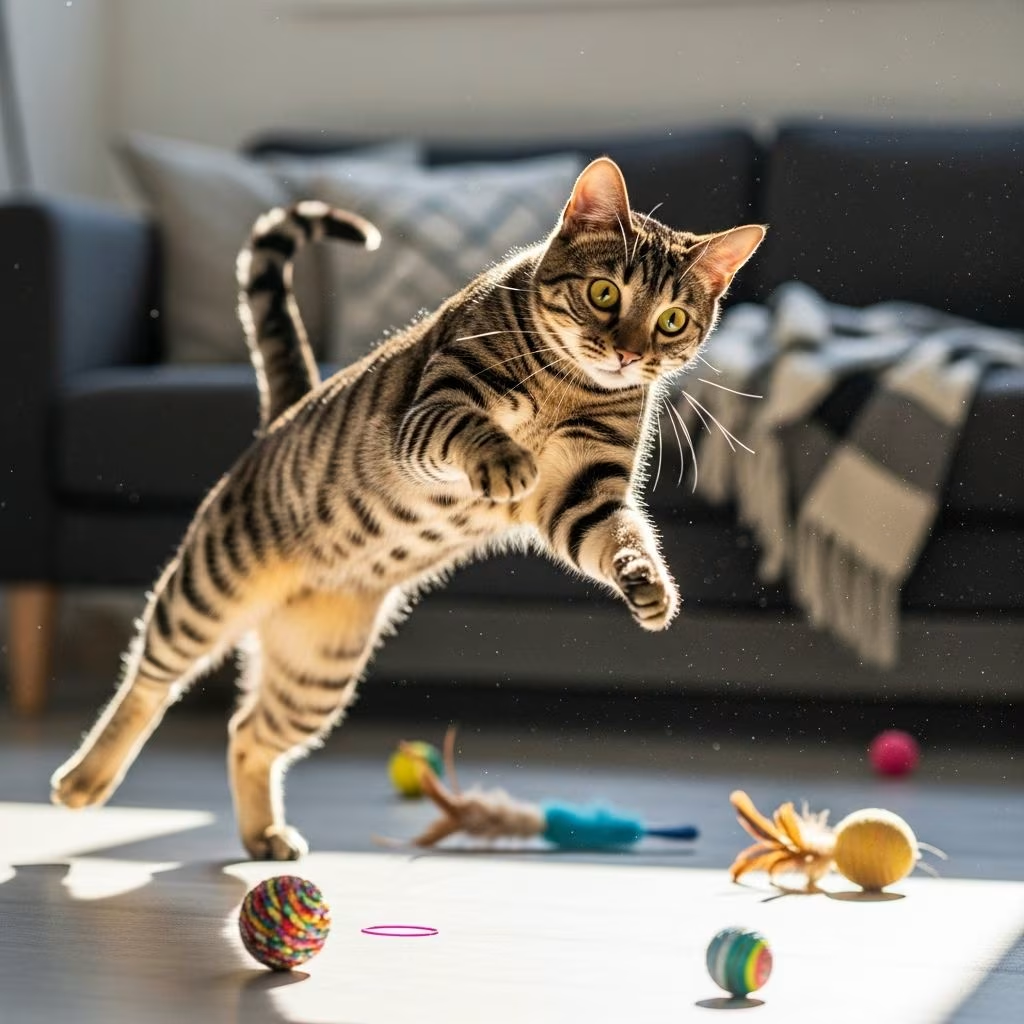
Cats often display bursts of intense energy, racing through homes at top speed or engaging in relentless play sessions that leave owners bewildered. This behavior, commonly called “zoomies” or hyperactivity, stems from a mix of instinctual drives, environmental factors, and potential health concerns. Understanding these triggers allows pet owners to address the issue effectively, promoting a healthier, happier feline companion.
Recognizing Hyperactive Patterns in Your Cat
Hyperactivity manifests in various ways that go beyond normal play. Cats may exhibit constant restlessness, unable to settle even after meals or during quiet times. Common indicators include:
- Frantic running or leaping onto furniture without apparent reason
- Excessive vocalizing, such as persistent meowing or yowling
- Destructive actions like clawing at upholstery or toppling objects
- Aggressive outbursts toward humans or fellow pets
- Overgrooming or obsessive chasing of shadows and lights
- Tail-chasing loops or sudden pouncing on inanimate objects
These signs differ from playful kittens’ energy; in adults, they signal unmet needs or distress. Persistent patterns warrant observation to distinguish routine vigor from problematic excess.
Instinctual Roots of Feline Energy Surges
Cats descend from wild predators wired for hunting, requiring daily physical and mental outlets. Domestic life often deprives them of these, leading to pent-up energy release in erratic bursts. Boredom amplifies this, as understimulated cats channel instincts into household chaos.
Stalking and pouncing form core play behaviors, mimicking prey capture. Without adequate outlets, cats redirect these onto feet, curtains, or each other, creating disruption. Kittens naturally outgrow intense phases, but adults need structured activity to mimic natural exertion.
Environmental Stressors Fueling Restlessness
Changes in a cat’s surroundings provoke anxiety-driven hyperactivity. New homes, added pets, or rearranged furniture disrupt security, prompting stress responses like nonstop pacing or aggression. Noise from appliances, storms, or visitors overwhelms sensitive ears and nerves.
Overstimulation occurs when sensory input exceeds tolerance—rapid petting, flashing lights, or crowded spaces trigger defensive reactions. Cats signal overload via dilated pupils, twitching tails, or skin rippling along the back, escalating to swats or bites if ignored.
Nutritional Influences on Cat Energy Levels
Diet plays a subtle role in behavior. High-carbohydrate foods or nutrient gaps can heighten excitability, mimicking sugar rushes in humans. Balanced nutrition supports steady energy, preventing crashes that spur frantic activity. Fresh water and portion control further stabilize moods.
Medical Conditions Mimicking Hyperactivity
Not all hyperactivity is behavioral; underlying illnesses demand veterinary scrutiny. Hyperthyroidism, prevalent in seniors, accelerates metabolism, causing weight loss, voracious appetite, and manic dashes. Feline hyperesthesia syndrome involves exaggerated back sensitivity, leading to frantic grooming or attacks on one’s tail.
Other culprits include allergies sparking itch-induced runs, infections, neurological issues, or pain from injuries. Older cats warrant thyroid checks, as tumors drive youthful vigor unnaturally. Early diagnosis prevents progression; bloodwork and exams pinpoint causes.
| Category | Key Signs | Potential Causes |
|---|---|---|
| Behavioral | Zoomies after naps, play-directed pouncing | Boredom, lack of exercise |
| Medical | Sudden onset in adults, weight loss, vocalizing | Hyperthyroidism, hyperesthesia |
| Stress-Related | Restlessness post-change, aggression | Environmental shifts, overstimulation |
Strategies to Calm an Overenergetic Cat
Managing hyperactivity starts with enrichment. Interactive toys like feather wands or laser pointers simulate hunts, tiring cats mentally and physically. Puzzle feeders dispense meals through effort, curbing boredom eating.
Designate play zones with climbing trees, scratching posts, and window perches for bird-watching. Scheduled 15-20 minute sessions twice daily release energy predictably. Calming aids like pheromone diffusers reduce anxiety in turbulent homes.
For overstimulation, heed warning cues: pause petting at tail twitches or ear flattening. Gradual desensitization builds tolerance to triggers. Vertical spaces offer escape during stress.
Breed and Age Factors in Feline Activity
Certain breeds, like Bengals or Abyssinians, retain wild traits, demanding more stimulation. Kittens peak in energy before maturing; seniors may surge due to illness, not playfulness. Tailor interventions to life stage—puppies need play, elders need health screens.
Long-Term Prevention and Home Adjustments
Consistency fosters calm: fixed feeding, litter, and sleep routines minimize anxiety. Multi-cat homes benefit from separate resources to curb competition. Outdoor access via leashes or enclosures satisfies explorers safely.
Monitor progress post-changes; if hyperactivity persists, consult behaviorists. Medication for anxiety or compulsions aids severe cases alongside environmental tweaks.
Frequently Asked Questions
Is hyperactivity normal in cats?
Occasional bursts are typical, especially evenings, but daily disruption isn’t. Rule out health issues first.
How do I tire out my hyper cat?
Use interactive play, food puzzles, and vertical spaces for 30+ minutes daily.
Can diet cause cat zoomies?
Yes, carb-heavy foods may spike energy; opt for protein-rich, vet-approved kibble.
What if my senior cat suddenly acts hyper?
Seek vet care promptly—hyperthyroidism or pain likely culprits.
Does neutering reduce hyperactivity?
It curbs roaming but not all energy; enrichment remains key.
References
- Hyperactivity in Cats — Two Crazy Cat Ladies. 2023. https://twocrazycatladies.com/hyperactivity-in-cats/
- Decoding Feline ADHD: Everything Cat Owners Need to Know — Connect n Care ABA. 2024. https://www.connectncareaba.com/blog/decoding-feline-adhd
- 11 Signs of an Overstimulated Cat and How To Calm Them — PetMD. 2023-10-15. https://www.petmd.com/cat/behavior/overstimulated-cat
- Cat Hyperactivity — Dr. Jeff Nichol. 2022. https://www.drjeffnichol.com/cat-hyperactivity/
- Cat Behavior Problems – Compulsive Disorders in Cats — VCA Animal Hospitals. 2024. https://vcahospitals.com/know-your-pet/cat-behavior-problems-compulsive-disorders-in-cats
- Behavior Challenges: Overexcited and Energetic Cats — San Diego Humane Society. 2023. https://sdhumane.org/resources/behavior-challenges-overexcited-and-energetic-cats/
- Behavior Problems of Cats — Merck Veterinary Manual. 2025. https://www.merckvetmanual.com/behavior/behavior-of-cats/behavior-problems-of-cats



