

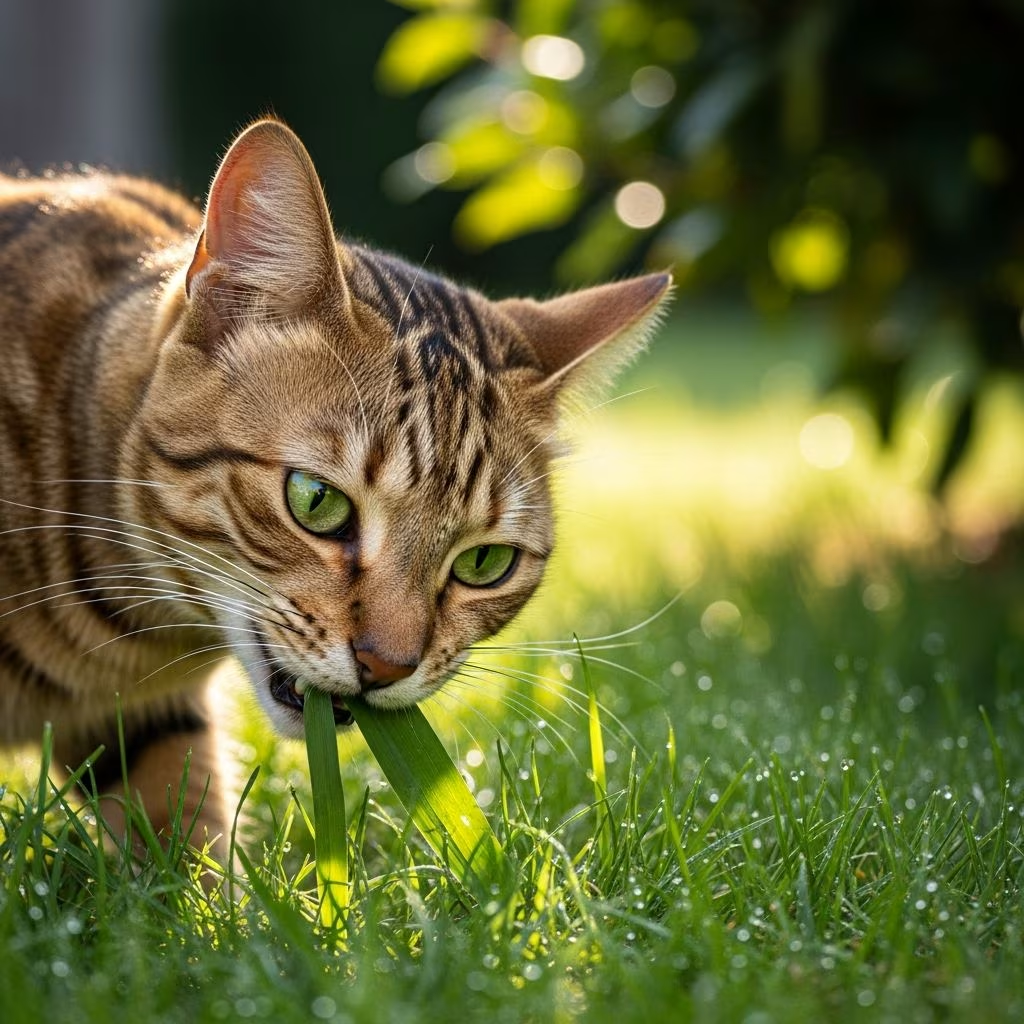
Cats eating grass is a widespread behavior observed in both domestic and wild felines, rooted in evolutionary instincts rather than signs of illness. This habit persists even in well-fed pets, serving purposes like digestive regulation and parasite management.
The Evolutionary Roots of Grass Consumption in Cats
Wild ancestors of modern cats consumed grass as part of their survival strategy, primarily to maintain intestinal health amid heavy parasite loads. Research indicates that ingesting grass stimulates gut muscle contractions, dislodging worms and other parasites without the cat needing to sense them explicitly. This adaptive behavior ensured tolerable parasite levels in carnivores exposed to contaminated prey and environments.
Domesticated cats retain this instinct, though they face fewer parasites due to controlled diets and hygiene. Field studies on wild carnivores and primates corroborate this, showing regular plant intake purges intestinal worms effectively. Younger cats munch more grass, likely because immature immune systems struggle with parasites, and nutritional stress hits growing bodies harder.
Cats eat less grass than dogs, possibly due to lower ancestral parasite prevalence or behaviors like burying feces, reducing transmission compared to more social canines.
Digestive Benefits: Hairballs and Beyond
Grass acts as a natural tool for expelling indigestible matter from a cat’s stomach. During grooming, cats ingest fur, which accumulates into hairballs. The fibrous texture of grass irritates the stomach lining, often inducing vomiting to clear these blockages along with feathers, bones, or other prey remnants from wild diets.
Contrary to some beliefs, grass-eating isn’t exclusive to sick cats or more common in long-haired breeds prone to hairballs. A 2021 study found no significant difference in grass consumption between short- and long-haired cats, suggesting it’s a universal feline trait. Undigested grass passes through the system, bulking stool and easing constipation like a natural laxative.
- Fur expulsion: Grass triggers regurgitation of swallowed hair.
- Laxative effect: Fibers promote colon movement for smoother bowel movements.
- Prey residue clearance: Mimics wild purging of indigestible parts like bones and feathers.
Nutritional and Sensory Appeals
Though obligate carnivores, cats may seek grass for trace nutrients absent in meat-only diets. Folic acid in grass aids blood oxygenation and digestion, potentially drawing cats to it. However, studies haven’t pinpointed exact absorbable vitamins, emphasizing balanced commercial foods to prevent deficiencies.
Some cats simply enjoy the texture and taste, treating grass as an exploratory snack. Unique feline preferences make it a fun, self-soothing activity akin to playing with toys.
| Theory | Supporting Evidence | Source |
|---|---|---|
| Parasite Control | Gut stimulation expels worms; common in wild carnivores | |
| Hairball Relief | Induces vomiting of fur; passes unchanged in stool | |
| Nutritional Supplement | Folic acid and minerals; not fully digestible | |
| Sensory Pleasure | Appealing texture/taste; instinctual exploration |
Is Grass-Eating Harmful? Vomiting and Risks
Vomiting after grass consumption is common since cats lack enzymes to fully digest plant fibers. This self-induced purge clears irritants but can worry owners. Frequent vomiting warrants a vet visit to rule out underlying issues like gastrointestinal disease.
Outdoor grass poses dangers: pesticides, herbicides, fertilizers, or toxic plants nearby. Parasites or fleas on blades add risks for indoor-outdoor cats. Excessive grass-eating might signal dietary imbalances or boredom.
Indoor cats may chew houseplants, some poisonous (e.g., lilies, poinsettias). Provide safe alternatives to prevent toxicity.
Safe Ways to Offer Cat Grass at Home
Growing cat grass indoors satisfies instincts safely. Use wheatgrass or oat seeds in trays—non-toxic, chemical-free options thrive indoors.
- Soak seeds overnight.
- Spread on soil-filled tray; cover lightly.
- Water daily; harvest in 7-10 days.
- Place in sunny spot, rotate to prevent over-nibbling.
Commercial kits simplify this, enriching indoor environments and deterring outdoor ventures. Supervise to avoid overeating, which causes upset.
When to Consult a Veterinarian
Grass-eating is typically benign, but monitor for:
- Persistent vomiting or diarrhea.
- Lethargy, appetite loss, or weight changes.
- Bloody stool or straining.
- Sudden behavior shifts.
These may indicate parasites, allergies, or diseases needing professional care.
Vets recommend high-fiber diets for chronic hairballs or constipation alongside grass access.
Grass and Feline Health: Myths vs. Facts
Myth: Cats eat grass only when sick.
Fact: It’s instinctive, not illness-driven; healthy cats do it regularly.
Myth: Grass replaces a balanced diet.
Fact: Cats need meat-based nutrition; grass supplements minimally.
Myth: All plants are safe.
Fact: Many are toxic; stick to cat-specific grass.
Comparative Behaviors: Cats vs. Dogs
Dogs eat grass more frequently, possibly due to higher parasite exposure historically. Cats’ solitary nature limited fecal-oral transmission, reducing need. Both benefit from safe vegetation, but cats’ precision grooming heightens hairball relevance.
Recent Research Insights
Studies like those from UC Davis highlight parasite purging as primary, debunking self-medication myths. Microscopy reveals grass microstructures trapping fur like ‘drain snakes,’ aiding expulsion—potentially explaining mouth-to-stomach clearance. Ongoing work explores hind-end effects via fecal analysis.
These findings affirm grass-eating as a retained wild trait, beneficial even in pampered pets.
Enhancing Your Cat’s Environment
Beyond grass, enrich with scratching posts, toys, and perches to curb boredom-driven munching. Rotate activities to mimic hunting, reducing stress-induced habits.
For multi-cat homes, ensure ample resources to prevent competition over grass trays.
Frequently Asked Questions (FAQs)
Is it normal for indoor cats to eat grass?
Yes, it’s an innate behavior; provide safe indoor grass to fulfill it.
Why does my cat vomit after eating grass?
Grass fibers irritate the stomach, inducing helpful regurgitation of hairballs or irritants.
Can grass help with cat constipation?
Yes, it acts as a laxative by adding bulk to stool.
What if my cat eats too much grass?
Monitor for illness signs; limit access and consult a vet if persistent.
Are there nutritional benefits to grass for cats?
It offers folic acid and fiber, but not a diet substitute.
Conclusion
Understanding why cats eat grass empowers owners to support natural behaviors safely. From parasite defense to digestive aid, this quirk bridges wild heritage and home life. Offer controlled access, watch for anomalies, and enjoy your cat’s quirky vitality.
References
- Researchers Think They Know Why Cats Eat Grass — Smithsonian Magazine. 2019-10-01. https://www.smithsonianmag.com/smart-news/researchers-figure-out-why-cats-eat-grass-180972885/
- Why Do Cats Eat Grass? — Chino Valley Animal Hospital. Accessed 2026. https://chinovalleyanimalhospital.com/blog/why-do-cats-eat-grass/
- Why Cats Eat Grass and Throw Up — Purina US. Accessed 2026. https://www.purina.com/articles/cat/health/digestion/why-cats-eat-grass-and-throw-up
- Why Do Cats Eat Grass? — Blue Cross. 2025-04-28. https://www.bluecross.org.uk/advice/cat/why-do-cats-eat-grass
- Why Do Cats Eat Grass? — PetMD. Accessed 2026. https://www.petmd.com/cat/general-health/why-do-cats-eat-grass
- Where the Green Grass Grows: Grass Treats for Cats — VCA Animal Hospitals. Accessed 2026. https://vcahospitals.com/know-your-pet/where-the-green-grass-grows-grass-treats-for-cats
- ScienceAdviser: Have scientists finally figured out why cats eat grass? — Science.org. Accessed 2026. https://www.science.org/content/article/scienceadviser-have-scientists-finally-figured-out-why-cats-eat-grass



