

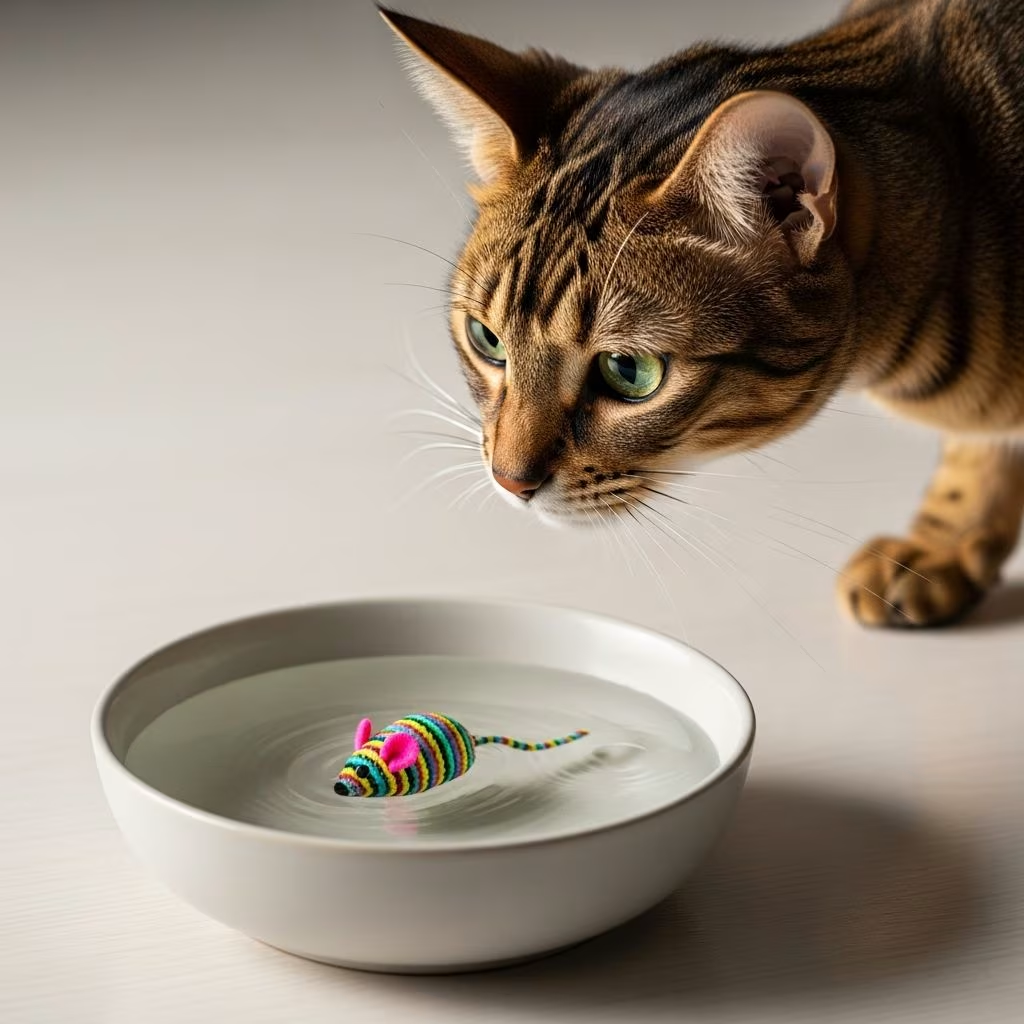
Cats often exhibit puzzling behaviors that leave owners wondering about their pets’ thought processes. One such habit is depositing toys into water bowls, a sight that combines curiosity with apparent playfulness. This action stems from a mix of innate drives and environmental interactions, revealing much about feline psychology.
The Roots of Feline Fascination with Water and Toys
Domestic cats descend from desert-dwelling wildcats, yet many retain affinities for water-related activities. Placing objects in water bowls taps into these primal urges, blending survival tactics with modern leisure.
- Hunting Simulations: Cats view small toys as stand-ins for prey. In nature, some big cats like tigers submerge catches to drown or clean them, a pattern echoed in household pets.
- Sensory Delight: The splash and float of toys create engaging stimuli, turning the bowl into an impromptu playground.
- Territorial Marking: Bowls represent secure zones near food sources, ideal for stashing valued items.
Instinctual Drives Behind the Behavior
At its core, this quirk links to ancestral survival strategies. Wild felines transport kills to safe dens, avoiding contamination of vital water supplies while safeguarding meals.
Behavior consultants note that cats associate bowls with personal territory. Toys, mimicking hunted items, end up there as ‘stored prey’ for later consumption. This mirrors observations of feral cats caching food near resting spots.
Another angle involves ‘washing’ prey. By immersing toys, cats may instinctively remove scents that could attract rivals, though this is speculative and less common in domestics.
Play as a Primary Motivator
Beyond instincts, pure amusement drives many instances. Cats discover that submerged toys bob and spin, providing endless entertainment.
Owners report cats batting at floating objects, repeating the action for the thrill. Positive reactions from humans—laughter or retrieval—reinforce the habit, as cats crave interaction.
Cats quickly learn that certain antics draw attention, perpetuating the cycle through learned association.
When Bowls Become ‘Safe Havens’
Cats designate specific areas as secure. Water and food bowls, replenished daily, signal reliability. Toys migrate there during play sessions, especially if carried in mouths en route to hydration breaks.
This convenience factor explains soggy returns during fetch games. A toy dropped mid-play lands in the nearest bowl, discarded until dry.
Potential Health and Hygiene Concerns
While endearing, the behavior poses minor risks. Dirty toys can introduce bacteria into drinking water, risking gastrointestinal issues.
| Risk | Impact | Prevention |
|---|---|---|
| Water Contamination | Bacterial growth from unclean toys | Daily bowl rinses; toy washes |
| Dehydration Risk | Play distracts from drinking | Multiple water stations |
| Stress Indicators | May signal anxiety if excessive | Monitor for other signs; vet check |
Excessive focus on the bowl might indicate boredom or unease. Paired with hiding, aggression, or appetite shifts, it warrants professional evaluation.
Environmental Factors Influencing the Habit
Home setup plays a role. Bowls near play zones invite deposits. Single water sources concentrate activity, amplifying the issue.
Multi-cat homes see competition, with toys staked in communal bowls to claim ownership.
Strategies to Redirect the Behavior
Managing without punishment preserves trust. Focus on enrichment and alternatives.
- Enrich Playtime: Introduce puzzle feeders, wand toys, and rotating novelties to channel energy.
- Relocate Resources: Separate food/water from play areas; add fountains or extra bowls to dilute focus.
- Barrier Options: Lily-pad covers or elevated designs limit access while ensuring hydration.
- Cleaning Routine: Refresh water twice daily; sanitize toys weekly with pet-safe solutions.
- Observe Patterns: Note triggers like evenings or solitude to preempt with sessions.
Breed and Age Variations
Not all cats indulge equally. Water-loving breeds like Bengals or Maine Coons show higher propensity, inheriting affinity from wild lineage.
Kittens experiment more, outgrowing as adults settle routines. Seniors might revive it from cognitive shifts or mobility limits.
Real Owner Experiences and Insights
Anecdotes abound: One cat fetches balls, dunking for ‘cleansing’ before retrieval. Another buries springs in litter then bowls, mimicking caching.
These stories highlight individuality—some cats ‘wash’ post-litter play, others store for ‘later feasts.’
Expert Perspectives on Feline Psychology
Behaviorists like Marci Koski emphasize hunting parallels, citing big cat precedents. Beth McGonigal highlights territoriality, urging separation of resources to mimic wild preferences.
Consensus: Benign unless disruptive, best addressed through understanding roots.
Enhancing Your Cat’s World
Beyond redirection, holistic care prevents escalation. Vertical spaces, scratching posts, and schedules combat boredom.
Interactive sessions bond while tiring, reducing mischief.
Frequently Asked Questions
Is it normal for cats to put toys in water?
Yes, it’s a widespread, typically harmless expression of instinct and play.
Should I stop my cat immediately?
Not unless hygiene suffers; redirect gently to maintain positivity.
What if my cat tips the bowl over?
Opt for weighted, non-tip designs or fountains to stabilize.
Does this mean my cat is stressed?
Possibly if combined with other changes; otherwise, likely playful.
Can toys harm the water quality?
Potentially if unclean; regular maintenance mitigates risks.
Long-Term Monitoring and Adjustments
Track changes quarterly. New stressors like moves or additions may intensify habits. Adapt environments dynamically for felicity.
Ultimately, embracing quirks strengthens bonds, turning puzzles into cherished traits.
References
- Cat Putting Toys in Water Bowl: Understanding This Quirky Behavior — UAH Pet. 2023. https://www.uahpet.com/blogs/post/cat-putting-toys-in-the-water-bowl-understanding-this-quirky-behavior
- Why Do Cats Put Toys in Water? — Chewy. 2023. https://www.chewy.com/education/cat/training-and-behavior/why-does-my-cat-drop-toys-in-the-water-bowl
- 10 Reasons Why Cats Put Toys in Food or Water Bowls — Cats.com. 2023. https://cats.com/why-cats-put-toys-in-food-or-water-bowls



