

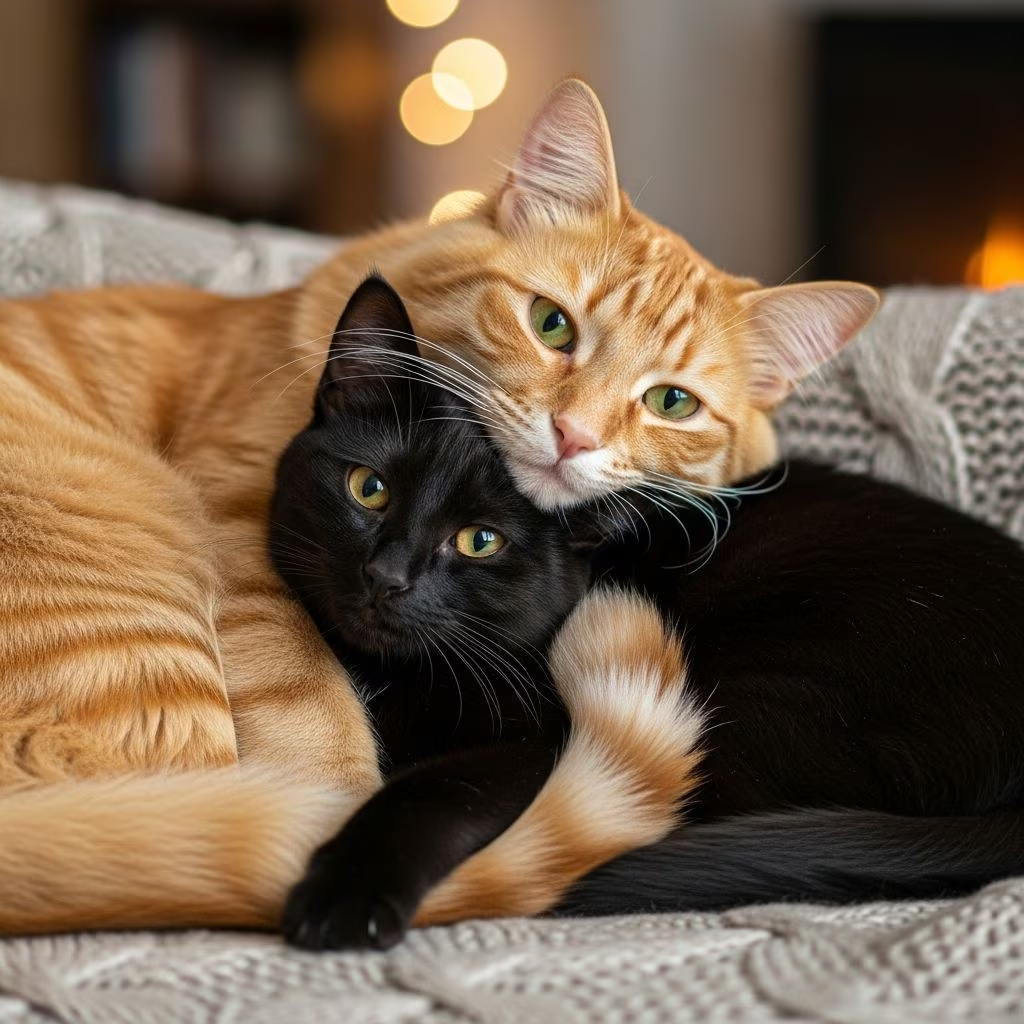
Cats often surprise their owners with moments of tenderness, curling up close for warmth or gentle contact. These behaviors reveal deep instincts and emotional connections formed over time.
The Instinctual Drive Behind Cat Snuggles
Felines are naturally drawn to physical closeness for practical and emotional reasons. One primary motivator is thermoregulation; cats prefer temperatures between 86-97°F, making human laps or beds ideal spots during cooler periods. This preference stems from their wild ancestors who huddled for heat conservation.
Beyond comfort, cuddling signals profound trust. In the wild, vulnerability during rest exposes animals to threats, so choosing a human as a resting spot indicates the cat views you as a protector. This bond mirrors pack dynamics in feral colonies where proximity denotes safety.
Key Motivations for Feline Closeness
- Thermal Comfort: Cats seek out warm surfaces, with human body heat providing an optimal environment, especially under blankets or during evening hours.
- Emotional Security: Snuggling occurs in safe spaces, affirming the cat’s confidence in its surroundings and caregiver.
- Social Interaction: Physical contact fulfills a need for attention, particularly if the cat perceives reduced playtime or interaction.
- Reciprocal Appreciation: Through touch, cats express gratitude for care provided, strengthening the human-feline partnership.
Individual Variations in Cuddly Personalities
Not all cats embrace physical affection equally. Temperament differences arise from hereditary factors and early life experiences. Certain lineages show heightened sociability, while upbringing shapes adult preferences profoundly.
Hereditary Influences on Affection Levels
Selective breeding has amplified affectionate traits in specific varieties. For instance, breeds like the Siamese, Ragdoll, and Persian often display pronounced attachment behaviors, preferring lap time and vocal interactions. Research indicates paternal friendliness correlates with offspring sociability, suggesting genetic underpinnings in human-directed affection.
| Breed | Affection Style | Common Traits |
|---|---|---|
| Siamese | Highly vocal and clingy | Follows owners, demands attention |
| Ragdoll | Relaxed lap cat | Goes limp when held, loves pets |
| Persian | Gentle snugglers | Prefers quiet cuddles, low energy |
| Maine Coon | Playful affection | Large size, enjoys group interactions |
Impact of Early Development
The socialization window from 2-7 weeks is pivotal. Kittens handled gently and exposed to positive human contact develop into confident, touch-oriented adults. Conversely, neglect or stress during this phase can foster wariness. Single-pet households may amplify cuddliness as the owner fills the role of primary companion.
Deciphering Signs of Cat Love
Cats communicate devotion subtly, often through actions rather than overt displays. Recognizing these cues enhances mutual understanding.
- Head bunting or rubbing: Transfers scent glands to claim you as family.
- Grooming or licking: Allogrooming extends to humans, mimicking colony bonding.
- Slow blinks: Equivalent to a trust gesture, inviting reciprocity.
- Tail wrapping or paw placement: Solicits continued interaction.
- Proximity seeking: Sleeping nearby or following room-to-room affirms attachment.
These behaviors release oxytocin, the ‘bonding hormone,’ in both cats and owners, fostering emotional ties similar to human relationships.
Cat-to-Cat Bonding Through Touch
In multi-cat homes, inter-feline cuddling reinforces group cohesion. Mutual grooming, known as allogrooming, cleans fur while exchanging scents unique to the colony. Preferred pairs engage more frequently, solidifying hierarchies and alliances. Side-by-side sleeping or nuzzling creates a unified group aroma, enhancing collective security.
Sudden Shifts in Affectionate Behavior
Changes warrant observation. Increased clinginess might signal illness, hunger, or hormonal cycles in unsterilized females. Post-absence reunions often feature heightened contact as cats reestablish bonds. Nighttime neediness aligns with owners’ relaxed routines, ideal for undivided attention.
Consult a veterinarian if affection surges alongside lethargy, appetite loss, or vocal changes, as these may indicate health concerns.
Fostering a Cuddly Relationship
Encourage closeness respectfully. Respect boundaries—pushing contact on reluctant cats erodes trust. Instead:
- Offer interactive toys to build positive associations.
- Use treats during voluntary approaches.
- Create cozy nooks near your spots.
- Employ slow blinks and gentle strokes on preferred areas like cheeks.
Patience during adjustment periods, such as adoptions, yields long-term affection.
Health Benefits of Cat Cuddles
Mutual snuggling lowers stress via oxytocin surges, reducing cortisol. Owners report decreased blood pressure and anxiety from pet interactions. For cats, routine contact supports mental well-being, mitigating loneliness in solo environments.
Frequently Asked Questions
Is it normal for cats to be very cuddly?
Yes, many cats form strong attachments, expressing love through physical proximity. Variations exist based on personality and background.
Why does my cat only cuddle at night?
Evenings offer sedentary human time, warmth from bedding, and fewer distractions, aligning with the cat’s active-then-rest cycle.
What if my cat rejects cuddles?
This may reflect independent nature, past trauma, or overheating. Focus on alternative affections like play to build comfort gradually.
Do all breeds cuddle equally?
No, but many can learn. Breeds with sociable heritage often initiate more readily.
Can cuddling indicate health problems?
Sudden increases might; monitor for symptoms and seek vet advice if concerned.
Navigating Multi-Pet Dynamics
In homes with dogs or multiple cats, cuddling patterns evolve. Cats may extend affection to compatible canines, rubbing or sharing spaces. Observe for stress signals like swatting, ensuring gradual introductions preserve harmony.
Seasonal and Age-Related Cuddling Trends
Kittens crave constant contact for warmth and learning, mellowing into selective snugglers as adults. Seniors often revert to kitten-like neediness due to mobility limits or sensory decline, seeking reassurance through touch.
Winter amplifies lap-seeking as cats conserve energy against chill, while summer sees lighter interactions.
References
- Cat Cuddles: Vet-Verified Facts About Kitty Snuggling — Catster. 2023. https://www.catster.com/cat-behavior/cats-cuddling/
- Why Is My Cat So Cuddly and Affectionate? — PetMD. 2024-01-15. https://www.petmd.com/cat/behavior/why-is-my-cat-so-cuddly
- Veterinarian shares 7 signs your cat loves you — Upworthy. 2023-05-20. https://www.upworthy.com/7-signs-a-cat-loves-you-ex1



