

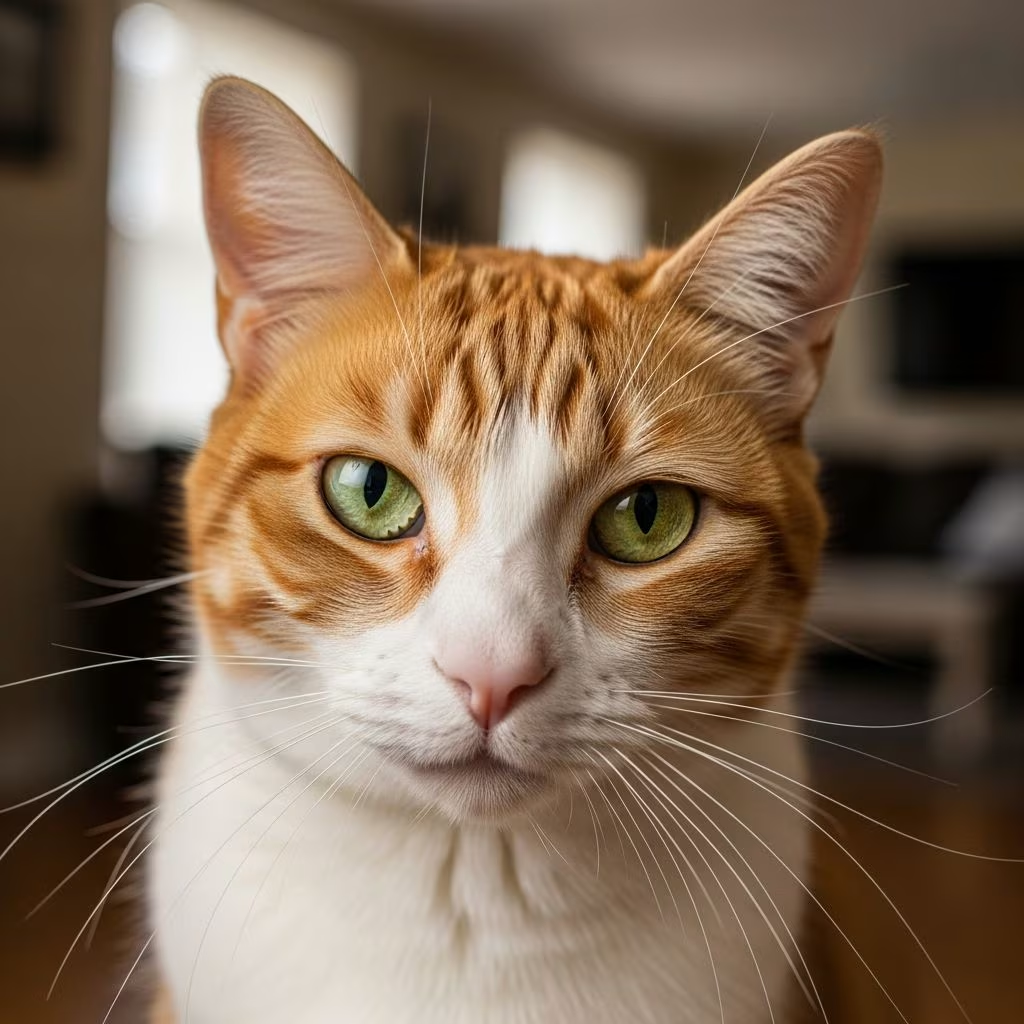
Cats often display a range of actions designed to capture their owner’s notice, from persistent vocalizations to playful disruptions. These behaviors stem from their domesticated need for interaction, blending instinctual drives with learned responses to their environment.
Recognizing the Signs of Feline Demands
Understanding what constitutes attention-seeking starts with spotting patterns in your cat’s routine. These displays are not random but purposeful communications tailored to elicit a reaction from you.
- Nonstop vocalizing: Cats may produce drawn-out meows or yowls, especially during your absence or at odd hours, signaling a desire for engagement or signaling discomfort.
- Physical nudges and pawing: Gentle taps on your leg or hand, or weaving through your path, indicate a bid for play or affection, often intensifying if ignored.
- Surface disruptions: Pushing items off shelves or keyboards serves as a dramatic alert, combining curiosity with a push for your immediate focus.
- Intense gazing: Fixed stares with dilated pupils can convey hunger, play readiness, or emotional needs, as eye shape shifts with arousal levels.
- Excessive clawing: Scratching furniture or doorframes marks territory while doubling as a stress release or call for interaction.
These patterns escalate when reinforced unintentionally, turning minor requests into household challenges.
Unpacking the Motivations Behind the Meows
At their core, these actions arise from unmet needs or environmental shifts. Cats, once solitary hunters, now thrive in social bonds akin to those with dogs, seeking reassurance through human connection.
Boredom and Understimulation
A lack of mental challenges leaves cats restless. Indoor life without toys, climbing structures, or hunting simulations prompts mischief to fill the void. Behaviors like object-toppling mimic predatory chases, craving the thrill play provides.
Stress from Routine Disruptions
Changes such as new pets, relocations, or altered schedules trigger anxiety. Cats respond by amplifying demands, using vocal or physical cues to restore security. Females in single-pet homes show heightened separation distress during owner absences.
Health-Related Urges
Pain or illness amplifies pleas for care. Conditions like hyperthyroidism, urinary infections, or cognitive decline in seniors manifest as unusual persistence. Lethargy paired with demands, or shifts in appetite and litter habits, warrant veterinary checks.
| Behavior Trigger | Possible Causes | Observation Tips |
|---|---|---|
| Excessive Meowing | Anxiety, hunger, medical pain | Note timing, volume, and accompanying signs like hiding |
| Pawing/Blocking | Boredom, play need, stress | Check for recent changes in home dynamics |
| Scratching Outbursts | Frustration, claw maintenance | Assess scratching post availability and usage |
Environmental Factors Fueling Feline Pleas
Your home setup plays a pivotal role. Inadequate litter maintenance, sparse play zones, or irregular feeding breed frustration. Cats ‘tell’ you via actions when basics falter, preferring communication over suffering in silence. Overly permissive responses, like scolding during disruptions, paradoxically reward the behavior with attention.
Conversely, isolation amplifies issues. Solo indoor cats, especially without windows or companions, invent ways to bridge the gap, from ‘gifts’ of toys to nocturnal wake-ups.
Health Checks: Ruling Out Medical Culprits
Before behavioral tweaks, consult a vet. Persistent demands often mask issues like dental pain, gastrointestinal woes, or hormonal imbalances. Age-related dementia erodes boundaries, leading to nighttime wanderings or confusion-driven clinginess.
- Monitor eating, grooming, and elimination patterns for deviations.
- Observe energy levels: hyperactivity or sudden sleepiness signals trouble.
- Schedule exams for cats over 7 years, as seniors face higher risks.
Building a Response Plan: Ignore, Redirect, Enrich
Effective management blends patience with structure. Start by extinguishing unwanted bids through calm ignoring, denying the ‘reward’ of reaction.
Implement Ignore-and-Reward Tactics
When pawing begins, withdraw attention completely. Resume interaction only for calm behaviors, like sitting quietly. Consistency prevents mixed signals.
Boost Daily Enrichment
Counter boredom with scheduled sessions: 15-20 minutes twice daily using wand toys or laser pointers. Vertical spaces like shelves and heated beds reduce lap encroachments. Puzzle feeders dispense meals, extending engagement.
Establish Predictable Routines
Fixed feeding, play, and litter times anchor security. Clean boxes daily; multiple setups suit multi-cat homes. Gradual pheromone diffusers ease anxiety from changes.
Advanced Strategies for Stubborn Cases
For ingrained habits, professional input shines. Certified behaviorists analyze triggers, recommending tailored plans. Time-outs in carriers or playpens interrupt cycles without harm.
Address overstimulation: watch for tail twitches signaling ‘enough,’ respecting boundaries to avoid backlash aggression.
Long-Term Harmony: Preventing Escalation
Proactive care fosters independence. Rotate toys, introduce foraging boxes, and encourage solo hunts. Multi-cat dynamics benefit from individual attention slots, curbing rivalry-fueled demands.
Track progress in a journal: note behavior frequency pre- and post-changes. Most see improvements in 2-4 weeks with diligence.
Frequently Asked Questions
Can Cats Get Too Much Affection?
Yes, excess can lead to overstimulation bites or dependency. Let your cat initiate and end sessions, honoring their natural limits.
Why Does My Cat Wake Me at Night?
Nighttime energy peaks from daytime naps or hunger. Evening play and late meals realign their clock.
Is Scratching Always Attention-Related?
No, it maintains claws and marks scent. Provide posts; redirect with sprays if needed.
How to Handle Multi-Cat Demands?
Equal resources and rotations prevent jealousy. Separate play enforces fairness.
When to See a Vet for Behaviors?
If new, sudden, or with health signs like weight loss, promptly. Early intervention averts worsening.
References
- 8 Cat Attention-Seeking Behaviors & What They Want — Rover.com. 2023. https://www.rover.com/blog/cat-attention-seeking/
- Attention Seeking Behavior in Cats: Vet-Reviewed Signs, Causes — Catster.com. 2023. https://www.catster.com/cat-behavior/attention-seeking-behavior-in-cats/
- When Cats Demand Nonstop Attention — Catwatch Newsletter. 2023. https://www.catwatchnewsletter.com/behavior/when-cats-demand-nonstop-attention/
- Improper Attention Seeking in Cats — The Anti-Cruelty Society. 2023. https://anticruelty.org/pet-library/improper-attention-seeking-cats



