

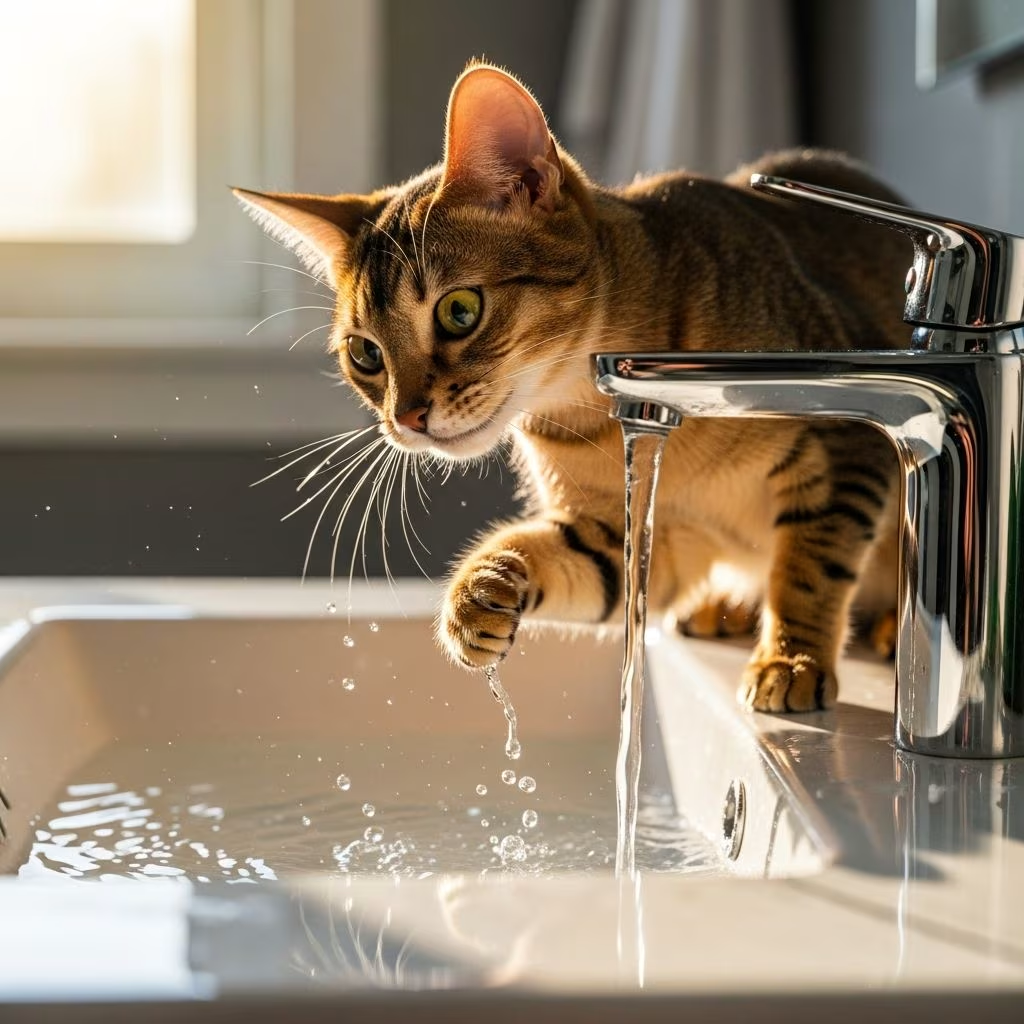
Many cat owners notice their pets ignoring perfectly good water bowls in favor of lapping at dripping faucets or begging for the tap to run. This quirky behavior stems from a mix of evolutionary traits, sensory preferences, and environmental factors that make running water irresistible to felines. Understanding these drivers helps ensure your cat stays properly hydrated without turning you into a 24/7 water butler.
The Evolutionary Pull of Moving Water
Cats trace their ancestry to arid desert environments where wild felines like the African wildcat sourced most hydration from prey. Supplemental water came from streams or springs—sources with constant flow that minimized stagnation and bacterial growth. Domestic cats retain this instinct, associating still water in bowls with potential contaminants, while the motion of faucet water signals safety and purity.
This preference isn’t mere pickiness; it’s hardwired survival behavior. In nature, standing water could harbor pathogens, so ancestors gravitated toward dynamic sources. Modern plumbing mimics this perfectly, drawing cats to sinks and tubs.
Sensory Overload: The Role of Whisker Fatigue
One overlooked culprit is whisker fatigue, a condition where a cat’s highly sensitive whiskers become overwhelmed by constant contact with bowl edges. Whiskers, or vibrissae, act as tactile antennas, relaying environmental data to the brain. Narrow or deep bowls force repeated brushing, leading to irritation, stress, and avoidance of the water source.
Symptoms include pacing near the bowl without drinking, vocalizing for faucet access, or sudden disinterest in meals. Switching to wide, shallow dishes made of glass or ceramic alleviates this by allowing whiskers to remain free. Owners report dramatic improvements in intake after this simple change.
Placement and Cleanliness Pitfalls
Where you position the water bowl matters immensely. Cats often shun bowls near food stations, litter boxes, or high-traffic areas, viewing them as unclean or stressful zones. Ideal spots are quiet, elevated if preferred, and separated from feeding areas by at least 10 feet.
Cleanliness amplifies the issue: bowls harboring residue, plastic odors, or yesterday’s water taste stale compared to fresh tap flow. Daily rinsing with hot soapy water, followed by room-temperature filling to the brim, keeps options appealing. Avoid plastic bowls, as they retain smells and scratches that breed bacteria.
Diet’s Impact on Thirst Levels
A cat’s baseline water needs hinge on diet. Dry kibble, with only about 10% moisture, demands higher drinking volumes—roughly matching caloric intake in milliliters daily. Wet foods, boasting 75-80% water, naturally boost hydration, reducing bowl dependency.
| Diet Type | Moisture Content | Daily Water Needs (per 200 kcal) |
|---|---|---|
| Dry Kibble | 10% | ~200 mL from bowl |
| Wet Pâté | 75-80% | Minimal additional |
| Mixed | Variable | Moderate |
Transitioning to more wet food can curb faucet fixation while preventing dehydration-linked issues like urinary crystals.
Health Red Flags Behind Excessive Thirst
While faucet love is often benign, monitor for polydipsia—excessive drinking paired with frequent urination, lethargy, or appetite shifts. Common triggers include:
- Chronic Kidney Disease (CKD): Prevalent in seniors, impairing filtration and concentrating urine, thus spiking thirst.
- Urinary Tract Infections (UTIs): Cause discomfort and small, frequent voids; males face blockage risks.
- Diabetes Mellitus: Elevated blood sugar draws water into urine, prompting compensatory drinking.
- Hyperthyroidism: Boosts metabolism, increasing fluid turnover.
Track intake: normal is 50-100 mL/kg body weight daily, adjusted for diet. Vet bloodwork diagnoses underlying issues promptly.
Proven Solutions to Redirect Drinking Habits
Transform faucet fans into bowl enthusiasts with these strategies:
- Install a Cat Water Fountain: Circulating pumps create the allure of motion, oxygenation, and freshness. Clean weekly, filter monthly for optimal appeal.
- Multi-Station Setup: Place 2-3 bowls/fountains around the home—kitchen, bedroom, living room—for convenience and choice.
- Bowl Upgrades: Opt for wide ceramic/glass vessels in elevated stands to suit preferences for height and separation.
- Dietary Hydration Boost: Incorporate wet food toppers or broths to meet needs without free water reliance.
- Gradual Training: Run the fountain near the sink initially, then relocate to desired spots over days.
These tweaks ensure consistent hydration, vital as cats poorly self-regulate thirst, risking crystals or stones from concentrated urine.
Daily Hydration Monitoring Guide
Assess your cat’s status systematically:
- Weigh food/water before/after 24 hours to quantify intake.
- Note urine clump size/frequency in litter.
- Observe for play-pawing at water (normal) vs. frantic begging (potential issue).
- Check gum moisture and skin tenting for dehydration signs.
Hot weather or dry air ups needs; humidifiers help indoors.
Frequently Asked Questions (FAQs)
Is it safe for cats to drink tap water long-term?
Generally yes, if your municipal supply meets safety standards. Filtered fountains remove potential contaminants like heavy metals. Consult local water reports.
How often should I clean my cat’s water fountain?
Dismantle and scrub with mild soap weekly; replace filters monthly to prevent biofilm buildup.
My kitten drinks from the faucet— is this normal?
Yes, playful curiosity amplifies instincts. Provide accessible alternatives early.
Can dehydration cause faucet obsession?
Indirectly; inadequate intake from any source prompts seeking alternatives. Address root causes.
What if my cat suddenly stops faucet drinking?
Could signal illness reducing thirst or improved bowl appeal. Monitor closely.
Long-Term Hydration for Lifelong Health
Proactive management turns quirky habits into healthy routines. Faucet fascination highlights cats’ discerning nature—honor it with fresh, flowing options. Proper hydration wards off urinary woes, supports kidney function, and enhances vitality. Experiment patiently; most cats adapt eagerly to thoughtful setups, freeing you from sink duty while safeguarding their well-being.
References
- Why Does My Cat Like to Drink From the Faucet? — Rover.com. 2023-05-15. https://www.rover.com/blog/why-does-my-cat-like-to-drink-from-the-faucet/
- Why does my cat drink from the tap? — Ziggy Family. 2024-02-10. https://ziggyfamily.com/en/blogs/cats/why-does-my-cat-drink-from-the-tap
- Why Is My Cat Drinking a Lot of Water? — PetMD. 2025-01-12. https://www.petmd.com/cat/symptoms/why-my-cat-drinking-lot-water
- Watering Your Cat — Humane Society of Huron Valley. 2024-08-20. https://www.hshv.org/watering-your-cat/



