

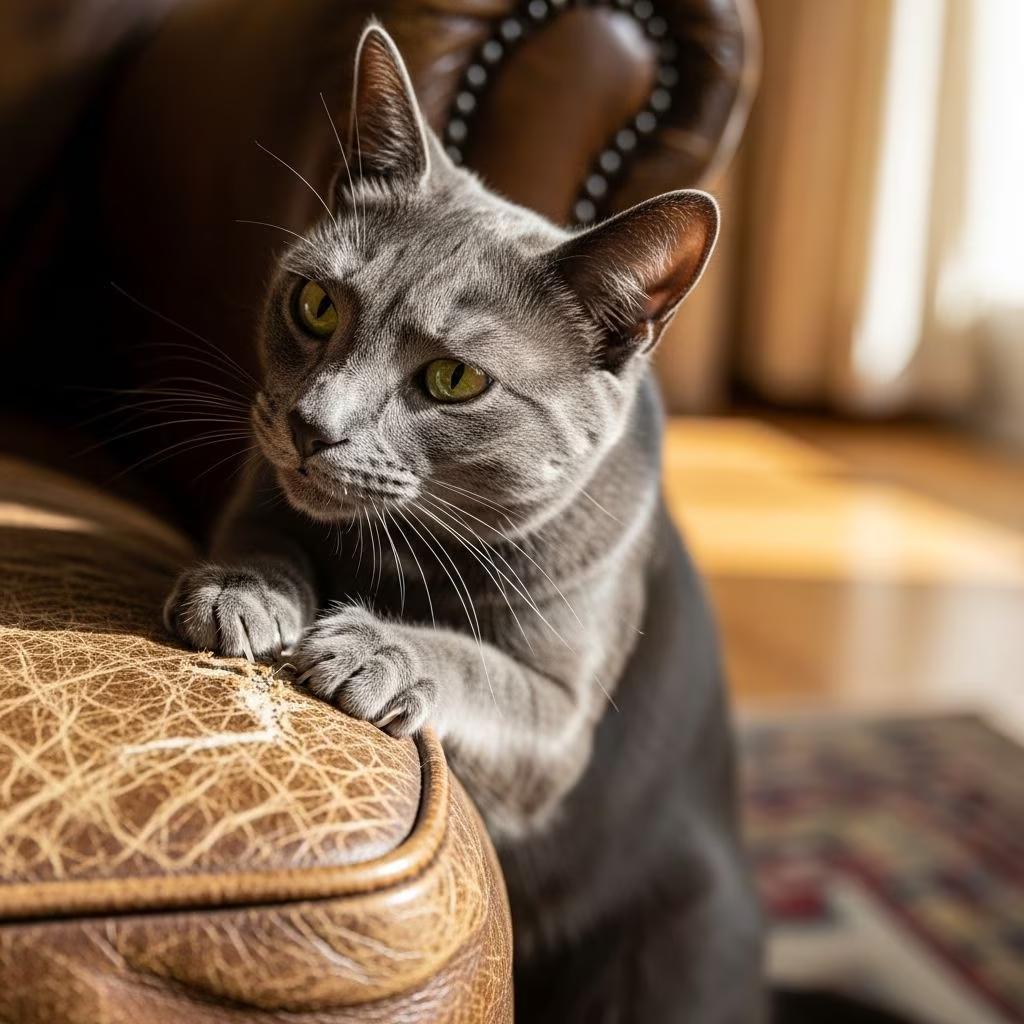
Cats scratching furniture is a widespread issue for pet owners, stemming from innate behaviors essential to their well-being. This guide delves into the biological and psychological drivers behind this habit and offers actionable steps to redirect it without punishment.
The Instinctual Roots of Feline Scratching
Feline scratching serves multiple vital functions, rooted in evolutionary needs. Cats instinctively claw surfaces to maintain physical health and communicate in their environment.
- Claw Conditioning: Scratching removes the outer sheath of claws, exposing sharper tips underneath for hunting and defense.
- Territorial Signaling: Paws contain scent glands that deposit pheromones during scratching, marking areas as familiar and secure.
- Physical Exercise: The motion stretches muscles, promotes circulation, and provides a full-body workout, especially important for indoor cats.
These behaviors are not acts of rebellion but natural expressions seen in wild felines on trees and logs. Indoor cats simply adapt this to household items like sofas and chairs, which mimic preferred textures and heights.
Common Triggers for Targeting Household Items
Not all scratching episodes are random; specific factors can direct cats toward furniture over other surfaces.
| Trigger | Description | Impact on Furniture Choice |
|---|---|---|
| Boredom | Lack of stimulation leads to repetitive actions for entertainment. | Cats seek out prominent, accessible spots like couches. |
| Stress or Anxiety | Changes in routine or environment heighten marking needs. | Increased clawing on high-traffic areas to reaffirm territory. |
| Surface Preference | Cats favor textures like fabric or smooth wood. | Upholstered items become prime targets over rough posts. |
| Inadequate Alternatives | Absence of suitable posts prompts improvisation. | Furniture fills the gap for vertical scratching needs. |
Research indicates that providing enrichment reduces unwanted scratching by addressing these triggers directly. Verbal or physical reprimands, conversely, correlate with higher incidences of the behavior.
Selecting the Ideal Scratching Solutions
Effective redirection begins with offering alternatives that match a cat’s preferences. Sturdy, tall posts covered in sisal rope, cardboard, or carpet excel at attracting use.
- Position posts near favored furniture initially to ease transition.
- Opt for varied options: vertical for stretching, horizontal for carpet-like scratching.
- Enhance appeal with catnip sprays or toys to encourage engagement.
Studies show that multiple posts throughout the home decrease damage to valuables, as cats select based on location and material.
Protective Measures for Valued Possessions
While introducing positives, deter cats from problem areas using non-harmful methods.
- Cover Surfaces: Apply double-sided tape or plastic shields to sofas and chairs, creating an unpleasant texture.
- Claw Maintenance: Trim nails every 2-3 weeks to blunt potential damage; professional grooming helps if DIY is challenging.
- Scent Disruption: Clean scratched spots with enzymatic cleaners to erase pheromones, then apply citrus or herbal repellents cats dislike.
Avoid water sprays or yelling, as they heighten stress and perpetuate the cycle. Instead, interrupt gently and guide to a post with praise upon use.
Boosting Enrichment to Curb Destructive Habits
Indoor cats thrive with routines mimicking outdoor stimulation, preventing boredom-driven clawing.
- Daily play sessions using wand toys or laser pointers for 15-20 minutes.
- Interactive puzzles dispensing treats to engage mentally.
- Pheromone diffusers mimicking calming facial scents to ease anxiety.
Enriched environments lead to fewer stress-related behaviors, with owners reporting up to 50% reduction in furniture damage after consistent implementation.
Understanding When Scratching Signals Deeper Issues
Persistent scratching despite interventions may indicate health or emotional concerns. Sudden increases, paired with litter avoidance or aggression, warrant veterinary checks for pain, hyperthyroidism, or stress from household changes.
Frustration from blocked access to resources can manifest as targeted clawing on doors or cabinets. Mapping scratch sites and timing reveals patterns tied to unmet needs.
Step-by-Step Plan for Lasting Change
Implement a comprehensive strategy for quick, sustainable results:
- Assess Current Setup: Note preferred spots and textures.
- Introduce Posts: Place 2-3 options strategically; rotate if ignored.
- Protect and Deter: Cover targets temporarily while positives take hold.
- Enrich Daily: Schedule play and monitor progress weekly.
- Reinforce Success: Reward post use with treats or affection.
Patience is key; most cats adapt within 2-4 weeks. Track improvements to adjust as needed.
Frequently Asked Questions
Do All Cats Scratch Furniture?
Yes, virtually all cats scratch some surfaces due to instinct, but proper management minimizes household damage.
Is Declawing a Viable Solution?
No, declawing removes the last bone of toes, causing lifelong pain and behavioral issues; it’s banned in many regions.
What Materials Do Cats Prefer for Scratching?
Sisal, cardboard, and rough fabrics top preferences; avoid soft carpet covers that mimic furniture.
How Often Should I Trim My Cat’s Claws?
Every 10-14 days for adults; kittens need gentler handling to acclimate.
Can Multiple Cats Share Scratching Posts?
Provide one per cat plus extras to prevent competition and ensure equal access.
Long-Term Strategies for a Scratch-Free Home
Maintaining harmony requires ongoing vigilance. Rotate toys, refresh posts, and adapt to life changes like new pets or moves. Multi-cat homes benefit from zoned territories with dedicated posts.
Consult behaviorists for stubborn cases; positive reinforcement training yields the best welfare outcomes. Ultimately, embracing scratching as a healthy need transforms frustration into a managed aspect of cat ownership.
References
- Pet Behavior: How to Stop Your Cat from Scratching Furniture — Grace Animal Hospital. 2023-12-01. https://www.graceanimalhospital.com/blog/december-pet-behavior-how-to-stop-your-cat-from-scratching-furniture
- 6 Reasons Why Cats Scratch Furniture — Purina US. 2024-05-15. https://www.purina.com/articles/cat/behavior/training/stop-cats-scratching-furniture
- Unwanted Scratching Behavior in Cats: Influence of Management — PMC (Peer-reviewed). 2022-10-12. https://pmc.ncbi.nlm.nih.gov/articles/PMC9559527/
- Cat Behavior Problems: Scratching Behavior — Arch Animal Hospital West. 2023-08-20. https://archanimalhospitalwest.com/cat-behavior-problems-scratching-behavior/
- Destructive Scratching – Prevention and Solutions — PAWS. 2024-02-10. https://www.paws.org/resources/destructive-scratching/



