

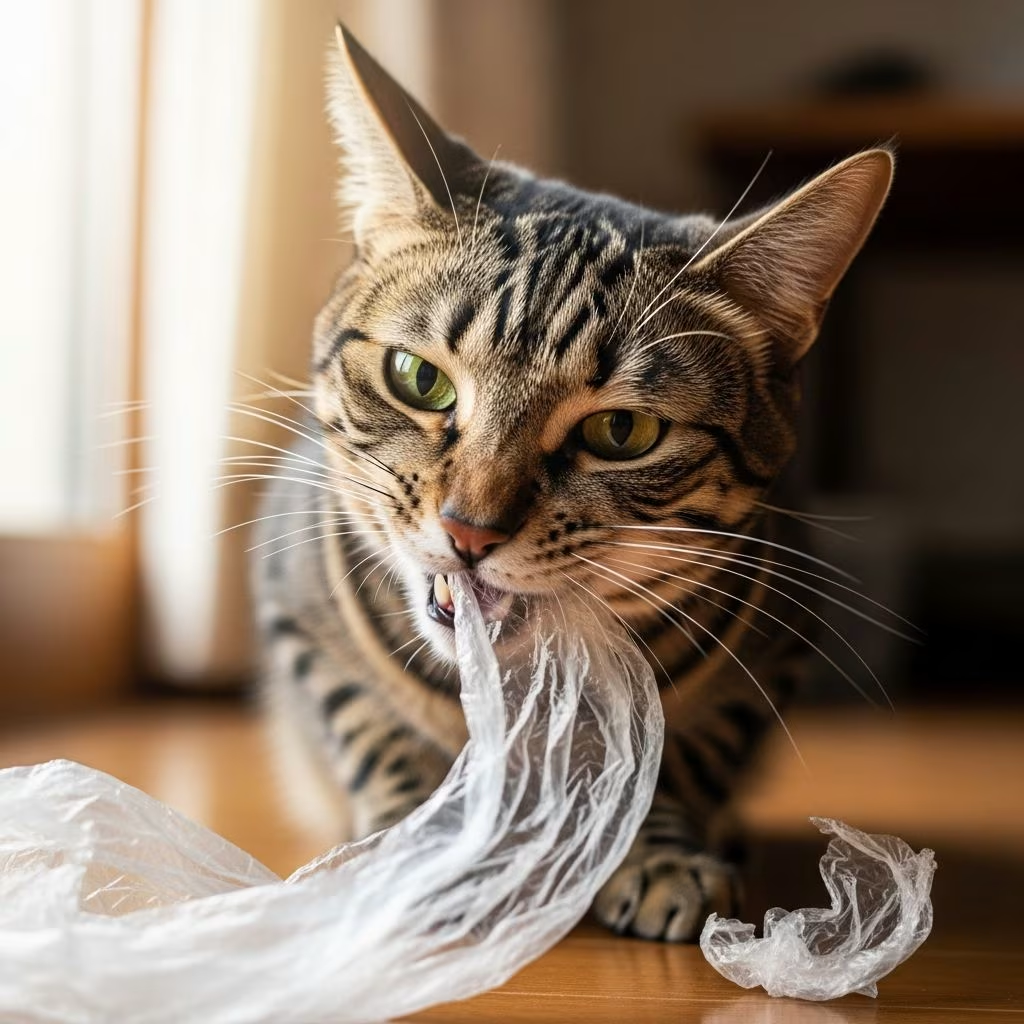
Cats occasionally develop an unusual fascination with plastic items, from shopping bags to container lids. This behavior, known as pica when it involves ingesting non-food substances, can stem from instinctual drives, environmental factors, or underlying medical conditions. Understanding these triggers is essential for pet owners to protect their cats from potential dangers like choking or intestinal obstructions.
The Allure of Plastic for Felines
Plastic holds a magnetic appeal for many cats due to its sensory properties. The distinctive crinkling sound mimics the rustle of prey in dry leaves, activating a cat’s hunting instincts. Additionally, the smooth, cool texture provides a satisfying sensation under their paws and tongues, while lingering food odors or residues from previous contents make it irresistible. Some plastics contain trace amounts of animal-derived coatings, such as gelatin or stearates, which enhance their attractiveness to a cat’s sensitive nose.
This sensory stimulation explains why cats might paw, lick, or chew plastic without necessarily swallowing it. However, when chewing escalates to eating, it signals a deeper issue that requires attention.
Recognizing Pica in Cats
**Pica** is a compulsive disorder where cats consume inedible materials like plastic, wool, or paper. It differs from casual play by involving deliberate ingestion attempts. Common signs include repeated chewing sessions, attempts to swallow pieces, and disinterest in regular toys.
- Frequent targeting of specific plastics, such as bags or wrappers.
- Ingestion of small fragments, visible in vomit or stool.
- Accompanying behaviors like excessive licking or fabric sucking.
Breeds like Siamese and Burmese appear predisposed, possibly due to their high curiosity and energy levels. Early intervention prevents escalation into chronic habits.
Medical Reasons Behind Plastic Chewing
Several health problems can drive cats to chew plastic as a symptom of discomfort or nutritional imbalance. Veterinary evaluation is crucial to rule out these causes.
| Condition | Symptoms | Link to Plastic Chewing |
|---|---|---|
| Hyperthyroidism | Weight loss, increased appetite, hyperactivity | Altered metabolism prompts unusual oral fixations |
| Feline Diabetes | Excessive thirst, urination, lethargy | Neurological changes lead to compulsive eating |
| Anemia | Pale gums, weakness, rapid breathing | Nutrient deficiency triggers cravings for non-food items |
| Dental Pain | Drooling, pawing at mouth, bad breath | Discomfort relieved temporarily by gnawing |
These conditions disrupt normal appetite regulation, making plastic an unintended outlet. Pain from dental issues or hidden injuries also prompts cats to seek relief through chewing, as felines are adept at masking illness.
Psychological and Environmental Triggers
Stress profoundly influences cat behavior. Changes like moving homes, introducing new pets, or altered routines can provoke anxiety, manifesting as plastic fixation. Cats under duress may chew to self-soothe, similar to human nail-biting.
Boredom exacerbates this in indoor cats lacking stimulation. Without outlets for natural behaviors—hunting, climbing, scratching—they turn to household items. Compulsive patterns resembling obsessive-compulsive disorder (OCD) can emerge, with relentless focus on plastic.
- New family members or visitors disrupting territory.
- Insufficient playtime or environmental enrichment.
- Competition for resources in multi-cat homes.
Nutritional Deficiencies and Diet’s Role
A suboptimal diet may cause cats to seek missing nutrients from unconventional sources. Deficiencies in fiber, fats, or minerals like iron can spark pica episodes. For instance, low-fat diets might draw cats to plastic bags retaining meaty scents.
Reviewing diet with a veterinarian ensures balanced nutrition. High-quality foods rich in animal proteins and essential fatty acids often reduce these urges. Kittens and seniors are particularly vulnerable during growth or aging phases.
Dangers of Plastic Ingestion
While occasional licking seems benign, eating plastic poses serious threats:
- Choking:** Shredded pieces can lodge in the throat, causing airway obstruction.
- Intestinal Blockage:** Swallowed fragments may form blockages, leading to vomiting, constipation, and emergency surgery.
- Chemical Toxicity:** Some plastics leach harmful substances when chewed.
- Infections:** Bacteria on dirty bags can cause gastrointestinal upset.
- Injury:** Sharp edges from torn plastic damage mouths or digestive tracts.
Handles from bags risk strangulation if looped around necks. Monitor closely and act swiftly on symptoms like lethargy or appetite loss.
Strategies to Prevent and Redirect Behavior
Addressing root causes combines environmental tweaks, veterinary care, and behavioral modifications.
Environmental Enrichment
Transform your home into a cat paradise:
- Provide puzzle feeders and interactive toys mimicking prey sounds.
- Install cat trees, shelves, and scratching posts for vertical space.
- Offer safe chew alternatives like rubber toys or dried grass stems.
- Ensure multiple litter boxes, food stations, and quiet retreats in multi-pet homes.
Secure the Environment
Eliminate temptations:
- Store plastics in closed cabinets or bins.
- Use reusable fabric bags for shopping.
- Supervise during grocery unpacking.
Dietary Adjustments
Consult a vet for tailored nutrition. Wet foods boost hydration and satisfaction, while supplements address specific deficiencies.
Stress Reduction Techniques
Foster calm with pheromone diffusers, consistent routines, and daily play sessions. For persistent issues, certified behaviorists offer tailored plans.
When to See a Veterinarian
Seek professional help if chewing persists despite changes, or accompanies symptoms like weight loss, vomiting, or behavioral shifts. Diagnostics may include bloodwork, imaging, or dental exams to pinpoint issues. Early detection prevents complications.
Common Myths About Cat Plastic Chewing
- Myth:** It’s always harmless play. Reality: Frequent attempts signal pica or health problems.
- Myth:** Only kittens do this. Reality: Adults and seniors are equally prone.
- Myth:** Punishing stops it. Reality: Positive redirection works better without increasing stress.
FAQs
Is plastic chewing normal for cats?
Occasional interest is common due to sensory appeal, but regular ingestion indicates pica or other issues requiring intervention.
Can plastic cause immediate harm?
Yes—choking or cuts can occur instantly, while blockages develop over hours to days.
What toys deter plastic chewing?
Choose durable, textured toys with catnip or motion-activated features to satisfy instincts safely.
How long does pica treatment take?
Varies from weeks (diet fixes) to months (behavioral therapy), depending on the cause.
Are certain plastics safer?
No—avoid all ingestion risks; opt for pet-safe materials instead.
References
- Why Does My Cat Eat Plastic? Possible Causes & Tips — Purina Pet Expert Team. 2025-06-05. https://www.purina.com/articles/cat/behavior/understanding-cats/why-do-cats-eat-plastic
- Why Do Cats Lick Plastic? — Petmate Academy. N/A. https://www.petmate.com/blogs/petmate-academy/why-do-cats-lick-plastic
- Why Do Cats Try to Eat Plastic? — Hill’s Pet Nutrition. N/A. https://www.hillspet.com/cat-care/behavior-appearance/why-do-cats-eat-plastic



