

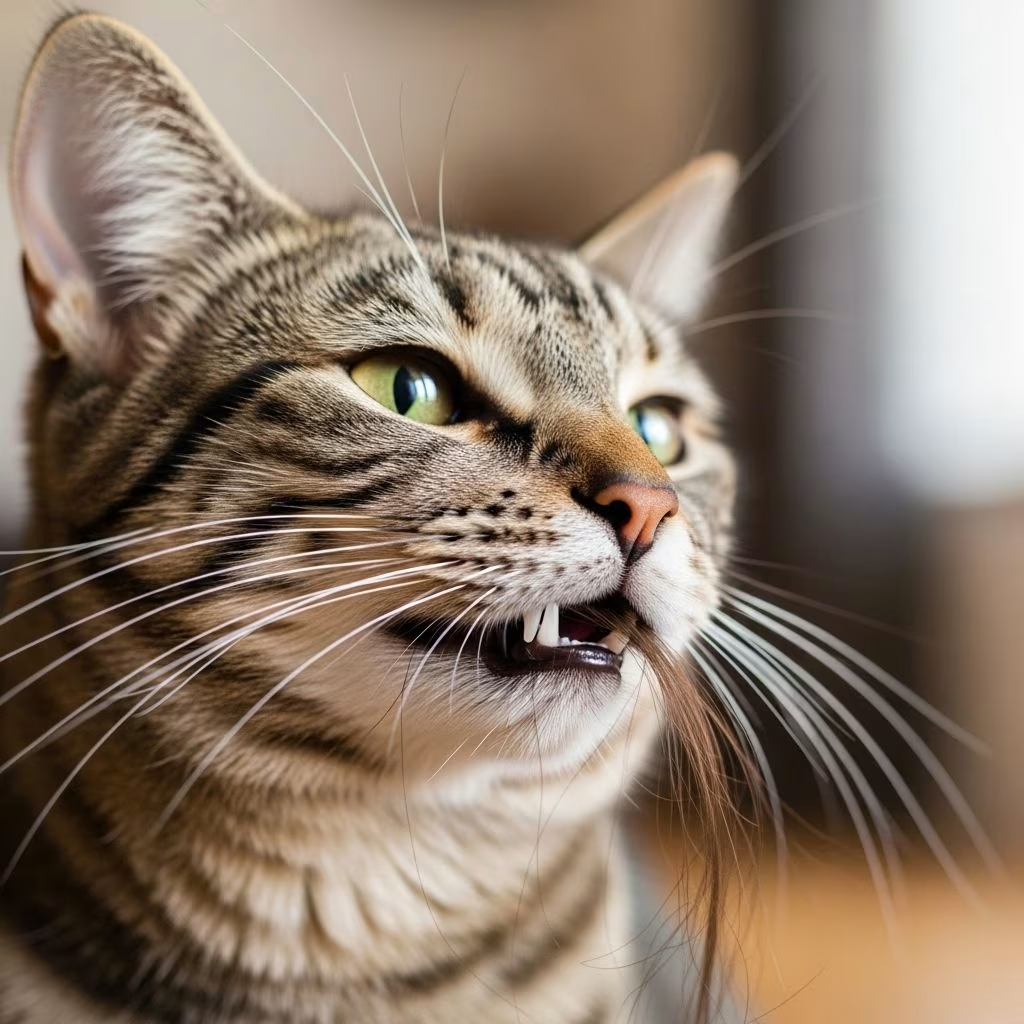
Cats often nibble on their owners’ hair as a sign of affection, but this behavior can also signal underlying issues like stress or medical conditions. Understanding the motivations behind it helps pet parents respond appropriately, ensuring their cat’s well-being.
The Instinctual Drive Behind Feline Hair Nibbling
Felines are wired for grooming, a behavior rooted in their social and survival instincts. When a cat targets human hair, it typically mimics natural cat-to-cat interactions, but various triggers can amplify this habit into something more persistent or concerning.
Primary Behavioral Reasons for Hair Chewing
1. Social Bonding Through Allogrooming
Allogrooming refers to the mutual licking and nibbling cats perform within their social groups to strengthen bonds. By chewing on your hair, your cat views you as a trusted colony member, extending this affection outward. This is especially common in multi-cat homes or with owners who resemble felines in scent or texture.
2. Playful Exploration and Toy Mimicry
Long, swaying hair resembles strings or tassels on cat toys, sparking a cat’s predatory play drive. Kittens and young adults particularly engage in pouncing, batting, and gentle chewing during interactive sessions, treating hair as an impromptu plaything.
3. Comfort-Seeking Self-Soothing Ritual
Similar to humans twirling hair or biting nails, cats chew to release endorphins for relaxation. This habit often emerges during bedtime routines, providing a calming repetitive motion that aids sleep onset.
Stress and Environmental Influences
4. Anxiety or Routine Disruptions
Cats thrive on predictability; changes like new pets, moves, or altered schedules heighten stress, prompting hair chewing as a coping outlet. Owners may notice increased frequency during transitions, mirroring self-grooming escalation under pressure.
5. Boredom and Lack of Stimulation
Understimulated cats turn to hair nibbling for mental engagement. Insufficient playtime, toys, or vertical spaces leads to compulsive oral fixation, especially in intelligent breeds prone to restlessness.
6. Early Developmental Factors
Kittens weaned prematurely miss suckling comfort, fostering lifelong oral habits like hair chewing. This ‘oral fixation’ persists into adulthood, triggered by soft textures reminiscent of nursing.
Health-Related Triggers
7. Pica Syndrome and Nutritional Shortfalls
Pica involves compulsive ingestion of non-food items, including hair, often linked to deficiencies in iron, vitamins, or fiber. Breeds like Siamese, Burmese, and Tonkinese show higher susceptibility; undigested hair risks intestinal blockages, necessitating prompt vet evaluation.
8. Hyperthyroidism and Metabolic Imbalances
An overactive thyroid boosts energy and fidgetiness, manifesting as unusual chewing alongside weight loss, hyperactivity, or withdrawal. Veterinary blood tests confirm this treatable condition via medication, diet, or surgery.
9. Skin Irritations or Allergies
Itchy skin from fleas, mites, food allergens, or environmental irritants (e.g., pollen, shampoos) drives redirected chewing. Patterns like tail-base focus suggest fleas, while paw emphasis points to pollen reactions. Concurrent overgrooming of their own fur signals these issues.
10. Underlying Pain or Discomfort
Conditions like arthritis, urinary infections, or dental pain prompt localized chewing near affected areas. Cats mask discomfort, so persistent nibbling warrants a full health check for hidden ailments.
Assessing Severity: When to Worry
Occasional gentle nibbling is benign, but watch for aggression, hair ingestion, bald spots on your cat, vomiting, or appetite changes. Track frequency, timing, and context to share with vets for accurate diagnosis.
| Behavior Level | Indicators | Action Needed |
|---|---|---|
| Mild | Gentle licking/nibbling during cuddles | Monitor; enhance bonding |
| Moderate | Increased frequency, stress contexts | Environmental tweaks, vet consult |
| Severe | Swallowing hair, self-harm signs | Immediate vet visit |
Practical Solutions to Curb the Habit
- Boost Enrichment: Introduce puzzle feeders, scratching posts, and daily 15-minute play sessions to combat boredom.
- Stress Reduction: Use pheromone diffusers, maintain routines, and create safe hiding spots during changes.
- Diet Optimization: Switch to balanced, high-quality food; supplements for suspected deficiencies after vet approval.
- Redirect Attention: Offer chew toys or dental treats mimicking hair texture; gently disengage during episodes with toys.
- Grooming Aids: Regular brushing bonds without ingestion risks; avoid scented shampoos attracting nibbles.
Preventive Measures for Long-Term Harmony
Proactive steps like kitten socialization, consistent routines, and annual vet exams minimize risks. Tie hair back during interactions and reward alternative behaviors with treats to reshape habits positively.
Frequently Asked Questions (FAQs)
Is it safe if my cat swallows my hair?
No—human hair isn’t digestible and can cause blockages. Monitor stool and seek vet care if ingestion occurs.
Why does my cat only chew my hair at night?
Nighttime often aligns with winding down; it serves as a soothing pre-sleep ritual, amplified by proximity.
Can certain shampoos trigger this?
Yes, minty or fruity scents mimic pheromones, drawing interest. Opt for unscented products.
Does breed matter?
Oriental breeds (e.g., Siamese) show higher pica rates, but any cat can develop habits from environment or health.
How long before seeing a vet?
If persistent beyond two weeks, involves swallowing, or pairs with symptoms like lethargy, consult immediately.
Conclusion: Nurture Understanding for a Stronger Bond
Hair chewing blends instinct, emotion, and health signals—addressing it thoughtfully deepens your cat-human connection while safeguarding health.
References
- Why Your Cat Chews Your Hair (Should You Worry?) — Cat Cognition (YouTube). 2025-06-18. https://www.youtube.com/watch?v=OpqxKwAZjIY&vl=en
- Cat Pulling Hair Out: Causes for This Behavior — Wakefield Pet Vet. Accessed 2026. https://wakefieldpetvet.com/blog/cat-pulling-hair-out/
- Why Does My Cat Eat My Hair? 9 Reasons for This Behavior — Catster. Accessed 2026. https://www.catster.com/cat-behavior/why-does-my-cat-eat-my-hair/
- Why Cats Overgroom and How You Can Stop It — PetMD. Accessed 2026. https://www.petmd.com/cat/general-health/how-tell-if-your-cat-over-grooming
- Why Does My Cat Eat My Hair? — Petcube. Accessed 2026. https://petcube.com/blog/why-does-my-cat-eat-my-hair/
- Why is my cat suddenly chewing on her own hair so much? — Dial A Vet. Accessed 2026. https://www.dialavet.com/vet-answers/cat-chewing-own-hair-concern-126361



