

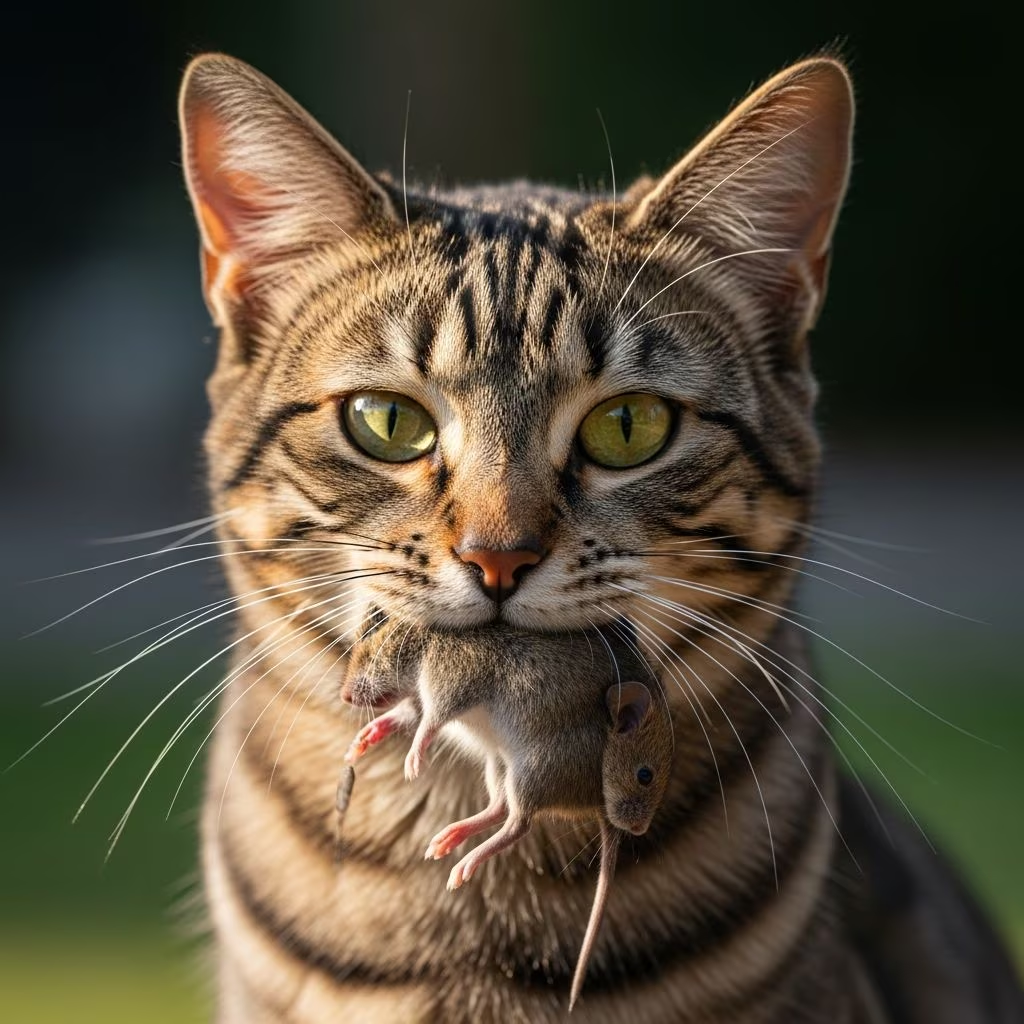
Cats often surprise their owners by dropping dead animals like mice, birds, or insects at their doorstep or inside the home. This behaviour, while startling, stems from deep-rooted instincts that persist even in well-fed domestic cats. Understanding these motivations helps owners respond appropriately without discouraging their pet’s natural drives.
The Instinctive Roots of Cat Hunting Behaviour
Domestic cats descend from wild ancestors like the African wildcat, retaining powerful predatory instincts regardless of food availability. Hunting is not just about sustenance; it’s an innate activity that provides mental stimulation and satisfaction. Studies show that even indoor cats with ample kibble will stalk toys or shadows, mimicking the stalk-chase-pounce sequence of real hunts.
Cats are obligate carnivores wired for short bursts of intense activity. In the wild, they hunt small prey multiple times a day, using play to hone skills from kittenhood. This explains why your pampered pet might ignore dinner to chase a fly—it’s biology at work.
- Hunting as exercise: Provides physical workout and prevents obesity.
- Mental enrichment: Satisfies the need to problem-solve and strategize.
- DNA-driven: Present in all cats, from Persians to Maine Coons.
Why Your Cat Shares Its Prey with You
Several theories explain this ‘gifting’ behaviour, blending survival instincts with social bonding. Cats don’t see humans as fellow predators but integrate us into their colony-like family structure.
Maternal Teaching Instinct
Mother cats teach kittens by bringing injured or dead prey, allowing practice kills in safety. Domestic cats, especially females, may treat clumsy humans the same way—’You clearly can’t hunt, so let me show you!’ This peaks during kitten-rearing seasons but occurs year-round in spayed pets.
Affectionate Gifts and Sharing
In cat colonies, successful hunters share food to strengthen bonds. Your cat views you as family, offering the best catch as a token of love. It’s their version of bringing flowers—gruesome but heartfelt. Males do this too, sometimes to impress.
Safe Haven for Meals
Your home is a secure den. Cats drag kills to safe spots to eat undisturbed, away from rivals. Dropping prey inside says, ‘This is my territory, and you’re part of it.’ Nocturnal hunts mean dawn surprises.
| Reason | Description | Common in |
|---|---|---|
| Maternal Teaching | Brings live/dead prey for practice | Females, especially post-kitten phase |
| Gift-Sharing | Offers catch to family members | All cats, social bonds |
| Safe Eating Spot | Transports food to secure area | Outdoor hunters |
Is This Normal? When to Worry
Perfectly normal for outdoor or free-roaming cats. Indoor cats might bring rubber bands or socks as substitutes. Worry if:
- Sudden increase: Could signal stress, boredom, or health issues like hyperthyroidism.
- Obsessive: Paired with aggression or weight loss—vet check needed.
- Live prey only: Indicates poor kill skills, possibly from injury.
Most cases are benign. A 2023 study on feline play noted 40% of cats engage in fetch-like retrieval, linking it to predatory sequences.
Health Risks of Cat-Hauled Prey
Dead animals carry pathogens. Cats risk toxoplasmosis, fleas, worms; humans face salmonella or hantavirus from rodents. Keep cats vaccinated, dewormed quarterly, and use flea preventives.
- For cats: Bacterial infections, parasites.
- For humans: Zoonotics via handling or surfaces.
- Prevention: Gloves for cleanup, wash hands, disinfect.
How to Handle Prey Presents Safely
Stay calm—yelling reinforces the behaviour by exciting your cat. Steps:
- Thank neutrally: Quiet ‘good job’ without praise frenzy.
- Gloved disposal: Seal in bag, bin securely.
- Clean thoroughly: Bleach solution on floors/furniture.
- Wash cat’s paws/mouth: Gently with pet wipe if cooperative.
Strategies to Discourage the Habit
Can’t erase instincts, but redirect them. High success rate with multi-pronged approach.
Environmental Tweaks
- Bell or bird-safe collar: Alerts prey, reduces kills by 30-50% per studies.
- Limit outdoor access: Supervised play or catio.
- Avoid attractants: No bird feeders, secure compost.
Enrich Indoors
Channel energy with toys mimicking prey. Puzzle feeders, wand toys, laser pointers. Rotate items to prevent boredom. Scheduled play mimics hunt cycles.
- Interactive toys: 58% of cats carry objects per research.
- Vertical space: Shelves, trees for ‘hunting’ vantage.
- Food games: Scatter kibble to forage.
Diet and Routine
High-protein meals reduce but don’t stop hunting. Feed smaller, frequent portions to mimic wild eating. Night feeding curbs dawn hunts.
Fun Facts About Cat Hunters
- Cats succeed in 1/3 hunts vs. dogs’ lower rate—efficient killers.
- Kittens start ‘hunting’ mum at 4 weeks.
- Some cats ‘play fetch’ with prey, linking to social play.
Frequently Asked Questions (FAQs)
Why does my indoor cat bring me toys like dead animals?
She’s substituting household items for prey, fulfilling the same gifting instinct. Provide better outlets like catnip mice.
Should I punish my cat for bringing prey?
No—punishment causes fear. Ignore or redirect positively.
Does spaying/neutering stop this?
Reduces frequency slightly but instincts remain.
What if my cat brings live animals?
Capture humanely, release far away. Check cat for injuries.
How often is normal?
1-2/week for avid hunters; varies by environment.
Embracing your cat’s hunter side strengthens your bond. Provide outlets, stay safe, and appreciate the compliment—these ‘gifts’ mean you’re family.
References
- Why Do Cats Bring Dead Animals Home? Understanding Cat Hunting Behavior — ZeroMouse.ai. 2024. https://zeromouse.ai/blogs/overview/why-do-cats-bring-dead-animals-home-understanding-cat-hunting-behavior
- Forty Percent of Cats Enjoy Playing Fetch, New Study Finds — Kinship.com. 2023-10-01. https://www.kinship.com/cat-behavior/cats-enjoy-fetch-study-news
- 7 Reasons Your Cat Is Bringing You Dead Animals (and What to Do About It) — Comforted Kitty (YouTube Transcript). 2023. https://www.youtube.com/watch?v=YXYuzVNv34I



