

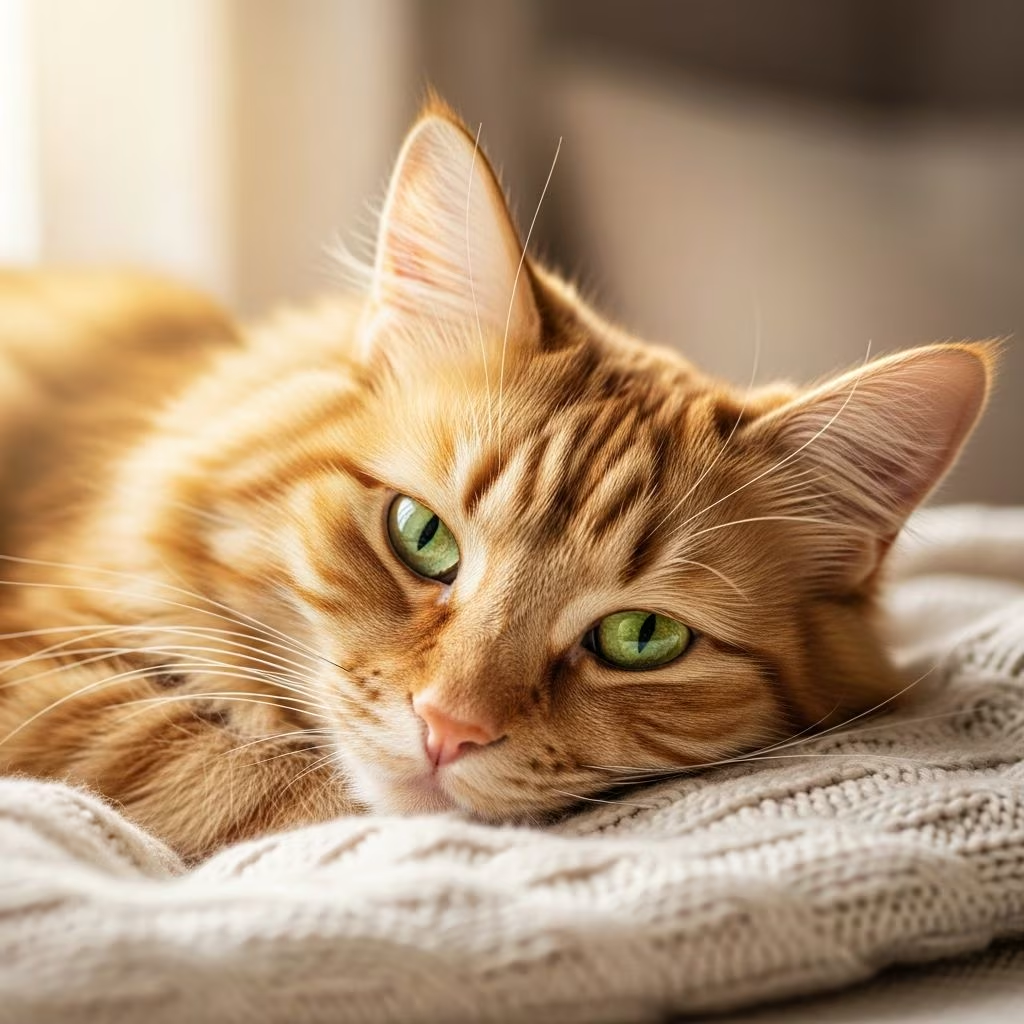
Cats stand out as exceptional companions due to their blend of independence, affection, and practical advantages. They provide emotional support, physical health gains, and seamless integration into various lifestyles without demanding constant attention.
Boosting Physical Health Through Feline Companionship
Interacting with cats yields measurable improvements in cardiovascular function. Petting a cat lowers heart rate and blood pressure, contributing to a reduced risk of heart attacks and strokes by up to 30% compared to non-owners. The rhythmic purring, vibrating at frequencies akin to therapeutic ultrasound, may aid muscle repair and bone healing, offering passive wellness benefits during quiet moments together.
Cat owners often exhibit calmer physiological responses under stress. In controlled studies, their resting heart rates remain lower before challenges, and they recover faster afterward, with fewer errors in tasks when their cat is nearby. This stems from hormonal shifts: cortisol drops while oxytocin rises, promoting relaxation and cardiovascular stability.
Enhancing Mental Well-Being with a Cat’s Presence
Cats excel at alleviating loneliness and anxiety, providing non-judgmental companionship that fosters emotional security. For those living alone, the routine of caring for a cat combats isolation, with research linking pet ownership to lower social disconnection rates.
During tough times, cats intuitively offer comfort, sensing distress and responding with proximity or purring, which triggers serotonin release for mood elevation. This is particularly valuable for managing depression symptoms through distraction and nurturing opportunities, as humans benefit psychologically from tending to another being.
- Stress Reduction: Oxytocin surges from petting mimic bonding hormones, cutting cortisol and easing daily pressures.
- Anxiety Relief: Cats create a safe space for free expression, bypassing social fears that spike blood pressure.
- Depression Support: Consistent interaction distracts from low moods, building stable routines that uplift overall mental health.
Cats and Special Needs: Support for Autism and Beyond
For children on the autism spectrum, cats facilitate social skill development by responding to nonverbal cues, encouraging prosocial behaviors like empathy and sharing. Their calming demeanor provides a low-pressure outlet for touch and emotional regulation, helping anxious kids during fearful moments or bedtime.
Adults with mental health challenges also gain from this sensitivity; cats detect subtle mood shifts, staying close when illness strikes or blood sugar dips in diabetics, potentially alerting owners to health issues.
Practical Advantages: Low-Maintenance Living with Cats
Cats require minimal upkeep, making them ideal for apartments or busy schedules. They self-groom, use litter boxes instinctively, and entertain themselves with household items, reducing the need for extensive training or space.
| Aspect | Cats | Dogs (Comparison) |
|---|---|---|
| Exercise Needs | Indoor play suffices | Daily walks required |
| Grooming | Self-maintained | Frequent baths/clipping |
| Noise Level | Quiet, occasional meows | Barking common |
| Space | Thrives in small areas | Larger yards preferred |
This table highlights why cats suit urban dwellers: they adapt to confined spaces without disruption.
Financial Savings: Cats as Budget-Friendly Pets
Owning a cat costs less overall, with lower adoption fees, food volumes, and accessory needs. Toys often double as boxes or caps, minimizing purchases, while fewer grooming visits cut expenses further.
- Food: Cats eat less meat, easing budgets and environmental impact.
- Toys/Supplies: Everyday items entertain; no elaborate setups needed.
- Vet Care: Generally healthier indoors, though routine checkups advised.
Family Dynamics: Cats and Children
Cats teach kids responsibility through feeding and litter duties, fostering empathy as children learn to read feline body language. Early exposure reduces allergy risks and builds nurturing skills, preparing them for healthier adulthoods.
Unlike more boisterous dogs, cats offer gentle interactions, ideal for young or special-needs children seeking comfort without overwhelm.
Home Protection: Cats as Natural Pest Controllers
Cats deter rodents and insects instinctively, safeguarding homes without chemicals. Their predatory drive targets mice, flies, and moths effectively, outperforming most dogs in casual pest management.
Social and Lifestyle Perks of Cat Ownership
Men with cats may appear more approachable in dating scenarios, signaling care and warmth. Cats enable socialization practice—conversing with them hones verbal skills sans judgment, boosting confidence for human interactions.
Environmentally, cats’ lower resource use (less food, water) makes them greener choices versus larger pets.
Cats in Modern Apartments: Perfect Urban Fit
Apartment life favors cats’ quiet nature and compact needs. They nap independently yet engage playfully, fitting erratic schedules without complaints.
Daily Joys: The Intangible Magic of Cats
Beyond metrics, cats deliver pure delight—pouncing antics, warm laps, and perceptive cuddles enrich routines. Their intelligence shines in puzzle-solving and affection on their terms, deepening bonds uniquely.
Frequently Asked Questions (FAQs)
Are cats good for heart health?
Yes, studies show cat owners have a 30% lower risk of heart attacks or strokes due to stress reduction and blood pressure lowering.
Do cats help with anxiety?
Absolutely; petting releases oxytocin, decreasing cortisol and promoting calm, especially beneficial for those with mental health concerns.
Are cats low-maintenance?
Indeed, they self-groom, litter train easily, and need little space or exercise compared to dogs.
Can cats live happily in apartments?
Perfectly; their independent streak and quiet demeanor make them ideal for small urban homes.
Do cats benefit children?
Yes, they instill responsibility, empathy, and even aid autistic kids in social development.
References
- The purrfect prescription: Health benefits of owning a cat — Welia Health. 2023-11. https://www.weliahealth.org/2023/11/the-purrfect-prescription-health-benefits-of-owning-a-cat/
- The Benefits of Having a Cat in Your Home — DAWS. N/A. https://daws.org/the-benefits-of-having-a-cat-in-your-home/
- Psychological Benefits of Having a Cat — Purina US. N/A. https://www.purina.com/articles/cat/getting-a-cat/how-can-cats-improve-moods-and-reduce-stress
- 10 Reasons Why Cats Make Great Pets — Freshpet. N/A. https://www.freshpet.com/blog/10-reasons-why-cats-make-great-pets
- 11 Reasons Cats Make a Great Pet — Purple Cat Vet. N/A. https://www.purplecatvet.com/11-reasons-cats-make-a-great-pet/
- Reasons Cats Great Pets — Tipp City Veterinary Hospital. N/A. https://tippvet.com/blog/reasons-cats-great-pets/
- Cats Make Great Pets, Science Finds — Southern AZ Vets. N/A. https://southernazvets.com/cats-make-great-pets-science-finds/



