

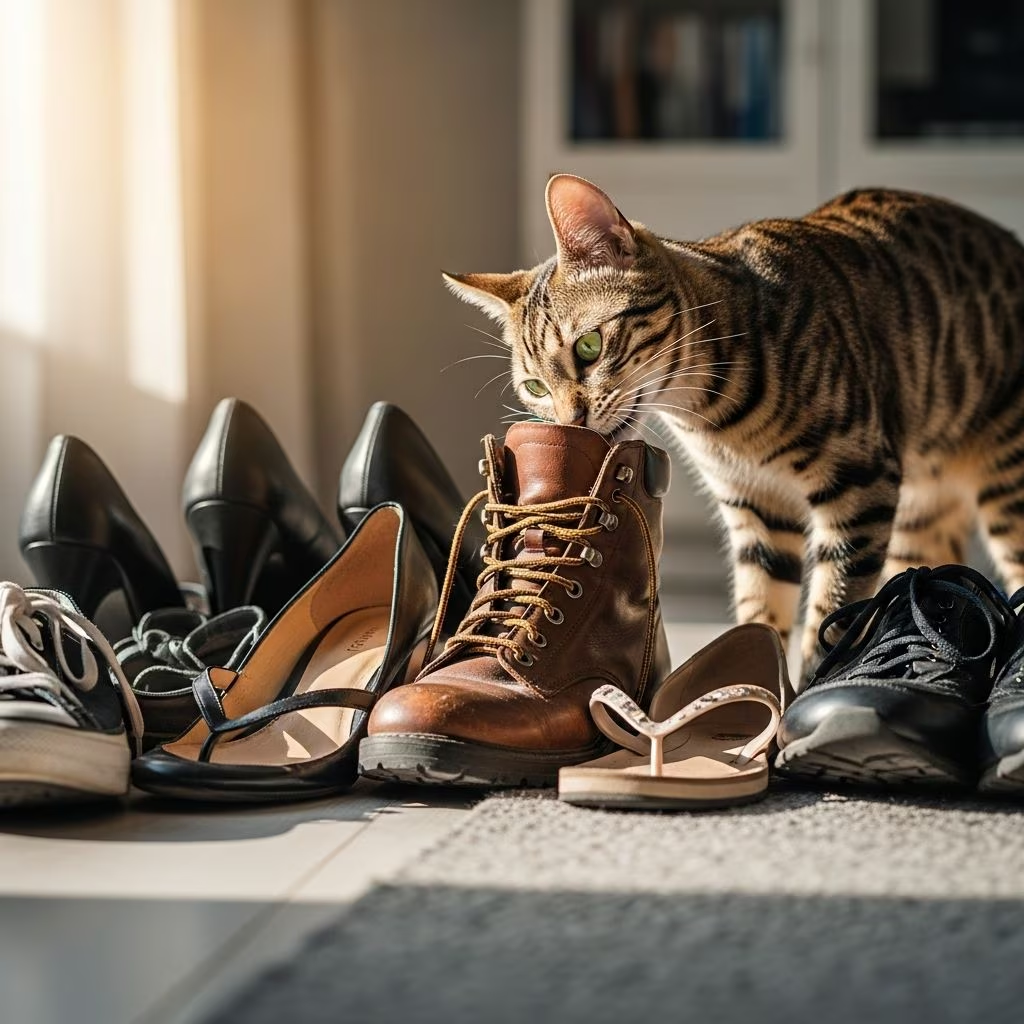
Cats frequently display a peculiar fondness for human shoes, whether by sniffing, rubbing, sleeping on them, or even batting them around. This behavior stems from their heightened senses, innate instincts, and desire for connection with their owners.
The Power of Scent in Feline Attraction
A cat’s sense of smell far surpasses that of humans, making shoes a treasure trove of intriguing odors. Footwear absorbs powerful scents from daily activities, outdoor environments, and the owner’s body, providing cats with a detailed map of their human’s world.
Shoes carry traces of where you’ve walked, what surfaces you’ve touched, and even encounters with other animals. A quick sniff reveals this information, satisfying a cat’s curiosity about unfamiliar territories. Inside the shoes, the concentrated aroma of sweat and skin proves especially alluring, as it directly links to the familiar human scent that signifies safety and comfort.
- Outdoor debris and pheromones from other pets create novel smells that intrigue cats.
- The owner’s foot odor acts as a comforting blanket, drawing cats to nuzzle or rest nearby.
- Barefoot scents transferred to insoles can mimic natural prey or familiar markers.
This olfactory pull explains why cats often prioritize shoes over other household items, turning them into hotspots for investigation.
Territorial Marking and Ownership Claims
Cats possess scent glands on their cheeks, paws, and tail base, using them to rub against objects and claim territory. Shoes become prime targets because they belong to their primary human, blending the owner’s scent with the cat’s own.
By head-butting or cheek-rubbing shoes, cats deposit facial pheromones, reinforcing their bond and declaring the item—and by extension, the owner—as part of their domain. This behavior, known as bunting, communicates affection and security.
In multi-cat homes or areas with stray animals, marking intensifies to overwrite foreign scents detected on the shoes. While usually harmless, excessive rubbing might signal stress, warranting observation.
| Marking Method | Purpose | Common on Shoes |
|---|---|---|
| Cheek Rubbing | Affection and familiarity | High |
| Head Butting | Territory claim | High |
| Urine Spraying | Boundary setting | Rare but possible |
Playful Instincts Unleashed by Footwear
Many cats treat shoes as interactive toys, pouncing on laces, batting soles, or wrestling with the entire shoe. This stems from their predatory heritage, where moving objects mimic prey like rodents or insects.
Shoelaces dangle enticingly, inviting swats and chases, while textured materials like leather appeal to chewing or scratching urges. Kittens especially thrive on this stimulation, honing hunting skills through play.
Even adult cats revert to play when shoes are left accessible, turning mundane footwear into entertainment centers. The irregular shapes and sounds—such as squeaks from rubber soles—heighten the appeal.
Seeking Comfort and Security
Shoes offer a cozy nook for naps, particularly for smaller cats or kittens fitting inside. The enclosed space, combined with the owner’s scent, creates a secure den-like environment.
Cats sleep 15-20 hours daily, prioritizing spots that feel safe. During owner absences or stressful events like thunderstorms, shoes provide reassurance, much like laundered clothing piles.
Bottle-fed kittens separated early from mothers may suckle or knead shoes, a self-soothing habit linked to nursing memories triggered by familiar smells.
Attention-Seeking Through Shoe Shenanigans
Clever cats learn that interacting with shoes prompts human responses, from pets to scoldings—both counting as attention. Rubbing or playing near shoes when you’re home signals a desire for interaction.
Subtle cues like purring escalates to pawing if ignored, exploiting your natural reaction to protect belongings. This reinforces the behavior, as cats crave social engagement despite their independent image.
Boredom and the Need for Enrichment
Boredom drives shoe fixation when mental and physical needs go unmet. Indoor cats without toys, perches, or puzzles redirect energy toward available items like shoes.
Chewing or dragging shoes indicates insufficient stimulation. Combat this with interactive feeders, cat trees, and scheduled play sessions to channel instincts appropriately.
Potential Health and Behavioral Red Flags
While usually benign, obsessive shoe love might highlight issues. Excessive urine marking or aggression near shoes could indicate urinary problems or anxiety—consult a vet if persistent.
Allergies to shoe materials rarely cause fixation but might prompt investigation. Monitor for destructive chewing signaling nutritional gaps or dental pain.
Practical Strategies to Protect Your Shoes
Preserve your wardrobe without punishing your cat, as they won’t connect discipline to the action.
- Store shoes in closed closets or bins immediately after use.
- Provide alternatives: scented toys, scratching posts mimicking leather textures.
- Enrich environment with window perches, laser pointers, and puzzle feeders.
- Use deterrents like double-sided tape on accessible shoes temporarily.
Positive reinforcement—rewarding use of cat-specific items—redirects focus effectively.
Understanding Breed and Age Variations
Active breeds like Bengals or Abyssinians show stronger play drives toward shoes, while seniors seek them for comfort amid mobility decline. Kittens outgrow intense phases with proper outlets, but habits can persist into adulthood.
FAQs
Is it normal for my cat to sleep in my shoes?
Yes, it’s common; the scent and enclosure mimic a safe den.
Why does my cat chew on leather shoes specifically?
Leather’s animal-skin texture and taste appeal instinctively.
How can I stop my cat from peeing on shoes?
Rule out medical issues first, then use enzymatic cleaners and provide more litter boxes.
Do all cats like shoes?
No, but many do due to universal traits like scent sensitivity.
Should I worry if my cat carries shoes around?
Usually not; it’s play or comfort-seeking, but check for stress signs.
Enhancing Your Cat’s World Beyond Shoes
To minimize shoe appeal, invest in multi-level trees, feather wands, and treat-dispensing balls. Rotate toys weekly for novelty, mimicking wild foraging. Outdoor enclosures allow safe scent exploration, reducing indoor fixation.
Daily 15-minute play mimics hunting cycles, tiring cats naturally. Feliway diffusers boost security, curbing marking.
References
- Why Do Cats Like Shoes? 6 Reasons For This Odd Behavior — Rover.com. 2023-05-15. https://www.rover.com/blog/why-do-cats-like-shoes/
- 5 Reasons Why Cats Like Shoes So Much — Cats.com. 2024-02-10. https://cats.com/why-cats-like-shoes
- Why Is Your Cat So Obsessed With Your Shoes? — Kinship.com. 2023-11-20. https://www.kinship.com/cat-behavior/why-is-cat-obsessed-with-shoes
- Why Do Cats Like Shoes So Much? — YouTube (Jackson Galaxy). 2022-07-12. https://www.youtube.com/watch?v=RLC9vtPiUkM



