

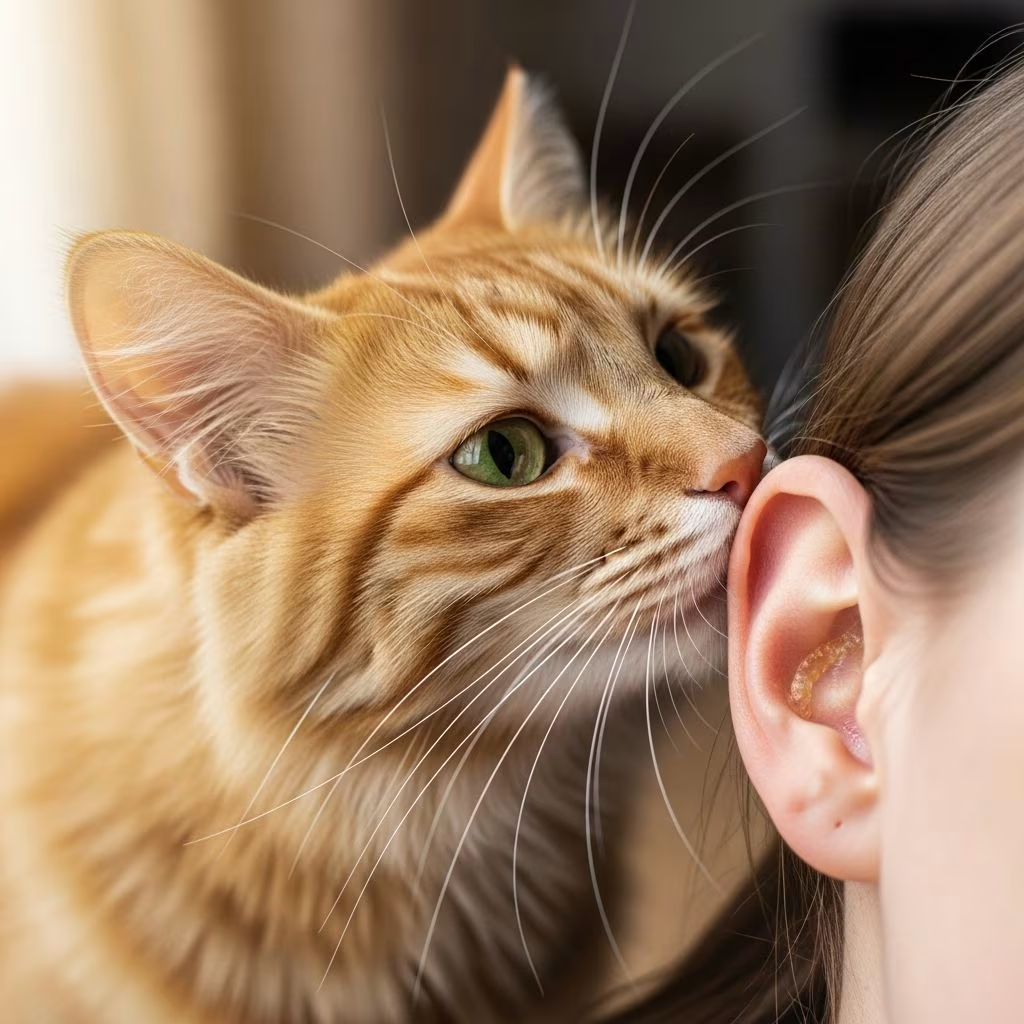
Many cat owners notice their pets sniffing or licking ears, Q-tips, or earbuds with unusual enthusiasm. This behavior stems from a cat’s heightened sensory perception and evolutionary drives as obligate carnivores, where earwax’s unique composition triggers interest.
The Biological Makeup of Earwax and Feline Appeal
Earwax, or cerumen, consists of secretions from glands in the ear canal mixed with shed skin cells. It includes cholesterol, keratin proteins, saturated and unsaturated fatty acids, waxy esters, and alcohol-based compounds. These elements create a scent profile rich in proteins and fats that cats detect easily due to their 14 times stronger sense of smell compared to humans.
As obligate carnivores, cats instinctively seek animal-derived proteins and fatty acids, which earwax provides in trace amounts. This composition mimics the odors of prey or animal tissues, making it intriguing rather than repulsive to felines.
| Component | Why It Attracts Cats |
|---|---|
| Dead skin cells | Structural base with familiar organic scent |
| Cholesterol & fatty acids | Nutrient signals for carnivores |
| Keratin proteins | Protein detection via sensitive nose |
| Waxy esters | Contributes to appealing texture and aroma |
How Cats’ Superior Senses Drive This Fascination
Cats possess over 200 million odor receptors, allowing them to identify subtle chemical cues like amino acids in earwax that signal potential food sources. In the wild, this helps locate prey, and domestically, it extends to human earwax carrying familiar body odors mixed with these compounds.
The scent combines novelty with comfort—your unique odor provides reassurance, while the fatty notes spark predatory curiosity. Kittens especially explore via taste and smell during weaning, associating licking with nursing comfort.
Social Grooming: More Than Just Cleaning
Allogrooming, or mutual grooming, strengthens bonds in cat colonies. Cats lick each other’s ears to spread scents, assert hierarchy, or show affection. Extending this to humans treats you as family, with earwax as a byproduct of this ritual.
Dominant cats groom subordinates to reinforce status, while recipients reciprocate for alliance. Licking human ears replicates this, ingesting wax incidentally while deepening the human-cat connection.
Age-Related Patterns in Earwax Interest
- Kittens: High curiosity drives frequent exploration; early weaning increases licking for comfort.
- Adults: More selective, often tied to bonding or stress relief.
- Seniors: Occasional, influenced by health or sensory changes.
Hormonal shifts and neurology refine this over time, making it less impulsive in maturity.
Potential Health Signals Behind Excessive Interest
While usually benign, obsession might indicate issues. Cats may target infected ears for altered odors from mites, bacteria, or inflammation. Nutritional deficiencies could heighten appeal if diet lacks proteins/fats.
Monitor for signs like over-grooming other areas, weight loss, or digestive upset from ingesting Q-tips, which risk choking or blockages.
Safety Guidelines for Cat Owners
Small amounts of earwax pose no harm, but prevent access to cotton swabs or earplugs. Store them securely and clean ears promptly after cleaning yours.
- Wipe ears with pet-safe solutions if your cat grooms excessively.
- Consult vets for persistent behavior or ear discharge.
- Ensure balanced diet to reduce nutritional cravings.
Debunking Myths About Cats and Earwax
| Myth | Fact |
|---|---|
| Cats eat earwax for nutrition | Trace amounts aren’t a dietary staple; instinct drives it. |
| All cats do this equally | Individual temperament and exposure vary interest. |
| It’s always a health problem | Often normal; context matters. |
Enhancing Your Bond Without the Wax
Channel instincts positively: offer interactive toys mimicking prey scents, provide grooming brushes for mutual sessions, or use pheromone diffusers for comfort. Regular play satisfies curiosity safely.
Frequently Asked Questions
Is earwax licking harmful to cats?
Minimal amounts are safe, akin to self-grooming ingestion. Risks arise from foreign objects or infections—keep Q-tips away.
Why do some cats ignore earwax?
Temperament, diet satisfaction, or less exposure influences this; not universal.
Does my cat think earwax is food?
The scent mimics prey proteins/fats, triggering hunting instincts, not true hunger.
Can I stop this behavior?
Redirect with toys or brushes; discourage gently without punishment to preserve trust.
When should I see a vet?
If obsessive, paired with symptoms like lethargy, ear scratching, or vomiting.
References
- Why Do Cats Like Earwax? – Basepaws — Basepaws. 2023. https://basepaws.com/blog/why-do-cats-like-earwax
- Why does my cat seem obsessed with earwax? – Dial A Vet — Dial A Vet. 2024. https://www.dialavet.com/vet-answers/cats-attracted-to-earwax-49032
- Why Do Some Cats Like Earwax? Vet-Verified Reasons – Catster — Catster. 2023. https://www.catster.com/cat-behavior/reasons-why-cats-like-earwax/
- Why Do Cats Sniff and Lick Earwax? – PetBae — PetBae. 2023. https://petbae.com/blogs/why-do-cats-sniff-and-lick-earwax
- Why Do Cats Like Earwax? Surprising Reasons Explained – Kinship — Kinship. 2024. https://www.kinship.com/cat-behavior/why-do-cats-like-earwax



