

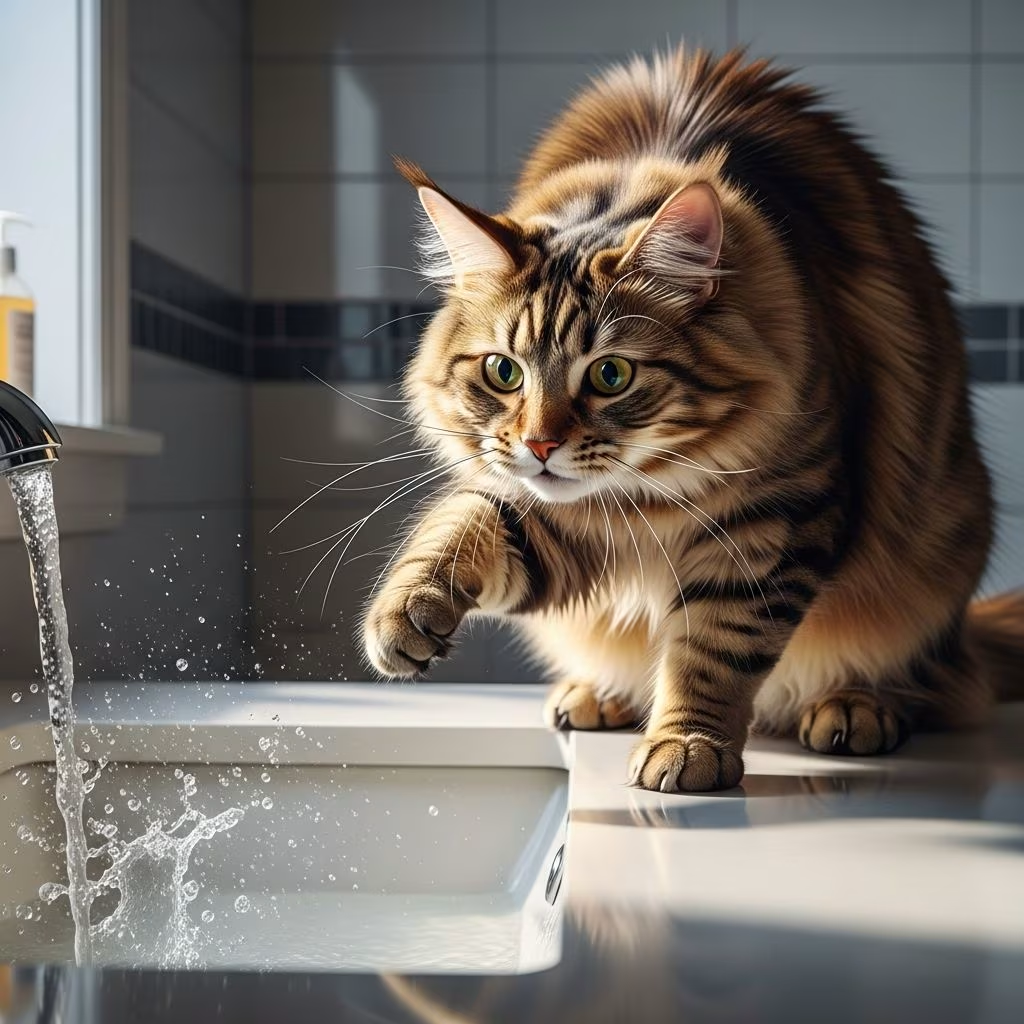
Why Are Cats Afraid of Water? Understanding Feline Behavior
Many cat owners have witnessed the dramatic reaction their feline friends have when water comes into play. Whether it’s bath time or an accidental splash, most cats respond with obvious distress and avoidance. But this isn’t simply a matter of feline stubbornness or pickiness. There are several legitimate scientific and behavioral reasons why cats are afraid of water, and understanding these reasons can help you support your pet more effectively.
The fear of water in cats is deeply rooted in their evolution, physiology, and past experiences. Unlike dogs, who were domesticated alongside humans near water sources and developed comfort with aquatic environments, cats evolved as desert hunters with minimal water exposure. This fundamental difference in evolutionary history plays a significant role in how cats perceive and react to water today.
Evolutionary Reasons Cats Fear Water
One of the most important factors influencing a cat’s relationship with water is their evolutionary background. Cats didn’t evolve with a strong need to swim or interact with water, so it feels unfamiliar—and anything unfamiliar can trigger caution or fear in cats. This fear response is the same reason a cat may react strongly to a cucumber or a loud noise like fireworks.
Unlike their wild ancestors in arid regions, cats weren’t required to swim to survive or hunt. Their evolutionary path shaped them to be land-based predators who hunted small rodents and birds in dry environments. This lack of ancestral water exposure means cats lack the instinctive comfort with water that many other animals possess.
Interestingly, cats’ instincts also tell them to prefer clean, moving water over still water. In the wild, stagnant water often indicates potential danger—bacteria, parasites, and contamination. This explains why many cats will eagerly drink from a running tap or fountain but ignore the water in their bowl. Their natural instincts are guiding them toward what they perceive as safer, fresher water sources.
Physical and Sensory Factors
Coat Absorption and Weight
A cat’s fur is not water-resistant like a dog’s coat. Cat fur is highly absorbent, which means when water makes contact with it, the fur absorbs and holds moisture. This creates several problems for your cat. First, wet fur feels heavy and uncomfortable against their skin. The weight of the water-logged fur restricts their natural movement and agility, making them feel vulnerable and out of control.
Additionally, wet fur takes a very long time to dry because of how absorptive cat fur is. Cats generally don’t like to stay wet, and the prolonged drying process can be irritating and uncomfortable. Wet fur also lowers a cat’s body temperature, potentially leading to hypothermia in extreme cases. While this might not be a real concern for indoor cats, their instincts still react to this threat.
Loss of Control and Agility
Cats are creatures that thrive on control and predictability. They like to know exactly what their bodies are doing at all times. When water weighs down their fur and body, it significantly impacts their agility and mobility. Cats are naturally nimble and quick, but in water, their movements become sluggish and uncontrolled. This loss of agility can trigger anxiety and stress, especially since cats rely on their quick reflexes to escape from perceived threats.
As prey species (even though they’re also predators), cats feel vulnerable when they can’t move quickly or react instantaneously. Water disrupts their sense of security by limiting their escape options. The unpredictable movement of water can also startle them easily, contributing to their overall anxiety about aquatic environments.
Sensitive Sense of Smell
Cats possess one of the most highly developed senses of smell in the animal kingdom, and this sensitivity plays a major role in their fear of water. Tap water contains chemicals such as chlorine and fluoride that can have a strong odor to a cat’s sensitive nose. Even though humans might not detect these scents, cats can smell them immediately and find them off-putting or even unpleasant.
When a cat’s fur gets wet, water can dilute the natural oils and secretions on their body, altering the scent that cats use to identify themselves and their territory. This disruption of their natural scent profile can be deeply unsettling for cats. If your cat refuses their water bowl, the chemicals in tap water might be the culprit. Offering filtered water instead can sometimes resolve this issue.
Negative Past Experiences and Trauma
One of the most significant reasons a cat may hate water is trauma from a negative past experience. If your cat accidentally fell into a bathtub, was sprayed with a hose, or had any other frightening encounter involving water, they may have developed lasting negative associations with water. These traumatic memories can persist for years and make cats extremely cautious or fearful around any water situation.
This is why introducing young kittens to water in positive, controlled ways is so important. Kittens that develop positive associations with water early in life are much less likely to develop water phobias later. If you have a young cat, it’s an excellent opportunity to gently acclimate them to water before they form negative associations.
Additional Reasons for Water Aversion
Beyond the primary evolutionary and physical reasons, cats may avoid water for several other factors:
Temperature Sensitivity: Cats are sensitive to temperature changes and prefer warm environments. Cold water can be shocking and uncomfortable. Additionally, they may be concerned about the temperature regulation issues that wet fur creates.
Grooming Disruption: Cats spend a significant portion of their day grooming themselves. Water interferes with this important routine and disrupts the natural oils that keep their coats healthy. When water compromises their grooming efforts, it can be frustrating and stressful for them.
Lack of Natural Swimming Ability: Unlike dogs, who instinctively paddle and have a natural swimming ability, cats don’t possess these innate aquatic skills. If water becomes too deep, a cat might struggle to swim, risking drowning. If it’s too cold, they could suffer from hypothermia. If it’s contaminated, they might get sick from bacteria or chemicals. These risks make cats instinctively avoid water.
Helping Your Cat Become Comfortable with Water
If you absolutely must bathe your cat or want to help them become more comfortable with water, the key is gentleness, patience, and positive reinforcement. Here are evidence-based strategies to make the experience less stressful for your feline friend:
Start Slow and Use Positive Exposure
Never force a cat into water, as this will only compound their fear and add stress to the situation. Instead, let them explore water in a controlled, non-threatening way at their own pace. Start with extremely small exposures and go at your cat’s pace to avoid setbacks. Use a damp cloth first and allow them to sniff, touch, or dip their paws in water on their own terms. You can also place a bowl of warm water near them during playtime and let them interact with it voluntarily.
Bring plenty of treats or familiar toys to soothe them and make it a really positive experience. Use toys, treats, and positive reinforcement techniques to create good associations. Remember that petting, praise, and kind words combined with delicious treats become a powerful tool for behavioral change.
Use Shallow Water and Provide Secure Footing
If you progress to water baths, fill a sink or tub with just a few inches of lukewarm water. A nonslip mat gives your cat secure footing to stand on, providing a sense of control and reducing anxiety. This gives them a sense of security and reduces the likelihood that they’ll claw their way out. You can also try using a bathing station designed specifically for pets, which often includes features that make cats feel safer.
Maintain Appropriate Water Temperature
Temperature is crucial to your cat’s comfort. Make sure water is warm—test it with your wrist before bathing them. It should feel slightly warm, like a cozy bath, not hot and not cold. Warm water is more comfortable for their sensitive skin and less likely to trigger stress or shock responses.
Keep Your Cat’s Head Dry
Water in the face is too overwhelming for most cats. Use a damp washcloth to gently clean their face instead. If you must rinse their head, use a small, soft cup of water, pour slowly, and avoid their ears and nose as much as possible. Protecting the head is essential for reducing panic and fear during the bathing process.
Use Cat-Safe Products
Avoid harsh soaps that strip natural oils from your cat’s skin and coat. Use a vet-approved cat shampoo, preferably one with gentle, moisturizing ingredients. If your cat has sensitive skin, opt for hypoallergenic formulas that soothe rather than irritate. The wrong shampoo can make your cat more averse to water, so choosing the right product is important.
Stay Calm and Patient
Your cat can sense your emotional state. If you’re stressed or anxious about the bathing process, your cat will sense it and panic more. Talk to them in a calm, reassuring voice while bathing them. Move slowly and gently, never forcefully. The more relaxed and patient you are, the more likely they’ll stay somewhat cooperative. Your demeanor directly impacts their experience and their willingness to tolerate water in the future.
Alternative Bathing Solutions
If your cat truly cannot tolerate water bathing despite your best efforts, consider a “bathless bath.” Waterless shampoos and dry cleaning products designed for cats can help keep their coat clean without water exposure. These products can be effective alternatives when traditional bathing isn’t feasible.
Encouraging Water Drinking
While bathing might be unavoidable, encouraging your cat to drink more water is important for their health. If your cat refuses their water bowl, try a pet water fountain that keeps water moving and filtered. Many cats are fascinated by running water and it stimulates their strong prey drive. This movement, noise, and reflection of moving water appeals to their natural instincts. A cat water fountain ensures your cat has access to enough water and will never suffer from dehydration, even when you’re away from the house.
Understanding Water-Loving Cats
It’s worth noting that not all cats dislike water. Some unique cat breeds and individual cats are naturally drawn to water and may even enjoy swimming. Bengal cats, Turkish Vans, and Maine Coons are examples of breeds that often show interest in water. If your cat shows interest in water, they may belong to one of these unique groups and can be encouraged to develop a healthy relationship with aquatic environments.
Frequently Asked Questions About Cats and Water
Q: Can I ever make my cat love water?
A: You can’t force a cat to love water, but you can make them tolerate it. With patience, positive reinforcement, and gradual exposure, many cats can become more comfortable with water over time. The key is never forcing them before they’re ready.
Q: Why does my cat drink from the tap but not their bowl?
A: Cats instinctively prefer moving water because they associate it with freshness and safety. Still water in a bowl might smell or taste like chlorine or contain chemicals that turn them off. Try a cat water fountain to encourage drinking.
Q: Is it ever appropriate to spray my cat with water as punishment?
A: No. Spraying cats with water is punishment, not reinforcement, and can damage your relationship with your cat. It may also increase their fear and anxiety around water. Use positive reinforcement instead.
Q: My kitten fell in water and now fears it. What can I do?
A: Start with very gentle, positive exposure to water. Use a damp cloth, offer treats, and never force interaction. With time and patience, many cats can overcome water trauma. Consider consulting with a certified cat behaviorist if the fear is severe.
Q: How often should I bathe my cat?
A: Most cats don’t need regular baths as they groom themselves. Bathe only when necessary, such as if they get into something toxic or have medical conditions requiring medicated baths.
Q: What should I do if my cat won’t tolerate any water exposure?
A: Consider waterless shampoos, dry cleaning products, or grooming wipes designed for cats. These alternatives can help keep your cat clean without water exposure when necessary.
References
- Why Do Cats Hate Water? — Chewy Education. https://www.chewy.com/education/cat/training-and-behavior/why-cats-hate-water
- Why Do Some Cats Hate Water? — PetMD. https://www.petmd.com/cat/general-health/why-do-some-cats-hate-water
- Why Do Cats Hate Water? — Cats Protection. https://www.cats.org.uk/cats-blog/why-do-cats-hate-water
- Exploring the Curious Reasons Why Do Cats Hate Water? — Supertails. https://supertails.com/blogs/posts/exploring-the-curious-reasons-why-do-cats-hate-water
- Why Are Cats Afraid of Water? — WOpet. https://wopet.com/cats/why-are-cats-afraid-of-water/



