

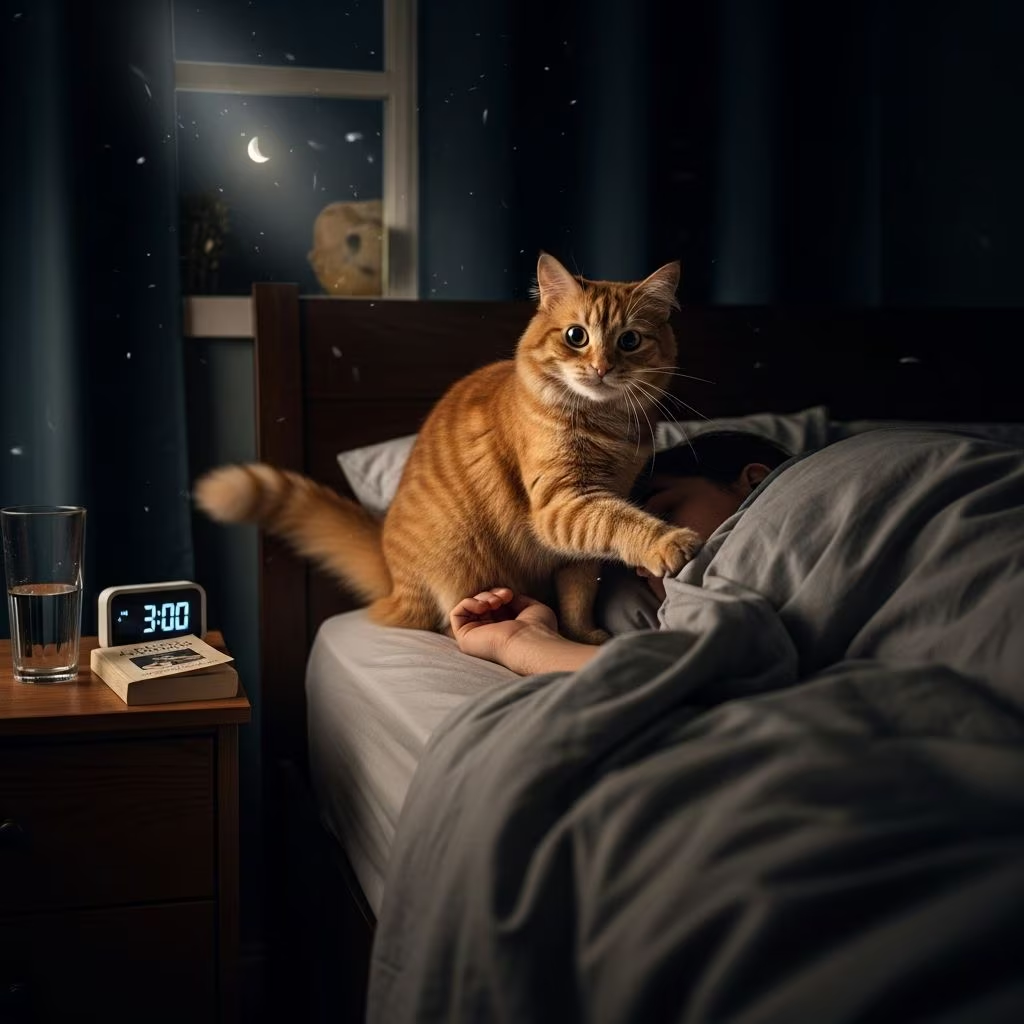
Why Does My Cat Wake Me Up at Night? 8 Vet-Reviewed Reasons & Solutions
If you’re a cat owner, you’ve likely experienced the frustrating reality of being jolted awake in the middle of the night by your feline companion. Whether it’s persistent meowing, pouncing on your feet, or demanding attention, cats have an uncanny ability to disrupt our sleep schedules. Understanding why your cat exhibits this behavior is the first step toward resolving it and achieving restful nights for both you and your pet.
Cats are crepuscular animals, meaning they are naturally most active during dawn and dusk rather than being truly nocturnal. This biological reality often creates a mismatch between human sleep patterns and feline activity levels. However, there are several specific reasons why your cat might be waking you up during the night, and each requires a different approach to address effectively.
The 8 Possible Reasons Why Your Cat Wakes You Up in the Middle of the Night
1. They Are Hungry
One of the most common reasons cats wake their owners at night is hunger. Cats are crepuscular by nature, which means they are most active during dawn and dusk. If your cats get hungry when they first wake up or just before bed, they might find that you are already sleeping and attempt to wake you up to signal their need for food.
When your cat’s natural feeding times don’t align with your sleep schedule, they may resort to vocalizing or physical interaction to get your attention. This is particularly common in households where cats have unpredictable feeding schedules.
2. They Think That It’s Playtime
Cats have different activity cycles than humans. Unlike humans who consolidate sleep into one long period, cats engage in “cat naps” throughout the day and night. When your cat wakes up from one of these short sleep cycles, they may perceive it as playtime and expect you to engage with them.
Without adequate stimulation and exercise during the day, cats may have excess energy that they attempt to burn off during your sleeping hours. This is particularly true for younger cats and those living in environments with limited enrichment opportunities.
3. They Want Attention
Cats are social animals that frequently seek attention, especially if they feel lonely. Waking you up in the middle of the night could be their way of expressing a need for companionship or a desire to be close to you. If you’re someone who sleeps for extended periods without interaction, your cat might start to feel lonely while they wait for you to wake up and engage with them.
This behavior is often reinforced when owners respond to their cat’s nighttime demands with attention, even if it’s negative attention like scolding. Cats learn that waking you up produces results.
4. They Are Being Territorial
Cats are territorial creatures, and nighttime can trigger their instinct to patrol and mark their territory. If there are other animals around, or if they’ve noticed changes in the environment, your cat might be marking you and your sleeping area as their territory and waking you up in the process.
This behavior is more pronounced in cats that haven’t been spayed or neutered, as hormonal factors can intensify territorial instincts. Environmental changes such as new pets, visitors, or even outdoor wildlife can trigger this response.
5. They Need a Bathroom Break
Just like humans, cats may need to relieve themselves during the night. If the litter box is not easily accessible or if there are issues with the litter, your cat may wake you up to signal their discomfort or need for a clean litter box.
Additionally, if your cat likes to dig when they do their business, the scratching noise can easily wake you up if the box is too close to your sleeping area. Senior cats and those with certain health conditions may need more frequent bathroom breaks throughout the night.
6. They Have Medical Issues
Persistent nighttime wake-ups could indicate underlying health problems, especially if they seem to be anxiously waking you. Cats may try to communicate their pain, discomfort, or anxiety through behavioral changes. Common medical issues that can cause nighttime restlessness include diabetes, hyperthyroidism, pain conditions, and infections.
If your cat suddenly changes their nightly behavior or if this is a new development, it’s crucial to seek veterinary advice. Age-related conditions are particularly common in senior cats, and professional evaluation can rule out serious health concerns.
7. There Are External Disturbances
Cats have heightened senses, and external stimuli like unfamiliar sounds, scents, or even wildlife outside can trigger their curiosity or concern. Your cat might wake you up to alert you or seek reassurance if they feel scared or intrigued by something in the environment.
This is especially true for cats with windows in their sleeping area. The sights and sounds of outdoor activity can easily disturb their rest and prompt them to wake you for comfort or companionship.
8. They Have Hormonal Changes
Unspayed or unneutered cats, particularly if they are reaching sexual maturity, may display more restless behavior at night due to hormonal fluctuations. Cats in heat or those experiencing hormonal changes may vocalize excessively and exhibit increased activity during nighttime hours.
Spaying or neutering your cat can significantly reduce this type of disruptive behavior, as it eliminates the hormonal drivers behind territorial and reproductive behaviors.
What Do I Do If My Cat Wakes Me Up at Night?
Now that you understand the potential reasons your cat is waking you, it’s time to implement solutions. The following strategies are designed to address various causes and help establish healthy sleep patterns for both you and your feline companion.
Ensure Basic Needs Are Met Before Sleep
The foundation of helping your cat sleep through the night is ensuring all their basic needs are satisfied before you go to bed. This includes:
- Fresh water available at all times
- Access to food, either through a set feeding or an automatic feeder
- A clean litter box, preferably more than one if you have multiple cats
- A comfortable resting area away from disturbances
Consider placing a nightlight near the litter box to make it more accessible. Although cats have excellent night vision, they cannot see in complete darkness, and a soft light source can help them navigate to the litter box independently.
Establish a Consistent Daily Routine
Cats thrive on routine, so establish a consistent daily schedule, which should include regular feeding times, play sessions, and a designated bedtime. Predictability helps regulate your cat’s internal clock and aligns their natural activity cycles with your sleep schedule.
Feed your cat right before bed to help satisfy their hunger drive and encourage drowsiness. This timing is particularly effective because it mimics natural feeding patterns followed by rest periods.
Provide Daytime Exercise and Mental Stimulation
Engage your cat in interactive play and mental stimulation during the day. Use toys that mimic hunting behaviors to help expel excess energy. A tired cat is more likely to sleep through the night.
Plan play sessions strategically:
- Play with your cat at least 30 minutes to one hour before bedtime. This should include both energetic, physical activity (running, climbing) and mental stimulation (problem-solving, stalking, hunting).
- Use wand toys for active play, as they encourage jumping and running.
- Incorporate puzzle feeders and foraging opportunities to provide mental enrichment.
- Rotate toys regularly to maintain interest and novelty.
A cat that is tired from physical and mental exertion is much less likely to demand attention during your sleep hours.
Manage Nighttime Feeding
Consider setting up an automatic feeder to dispense food shortly before your cat typically starts vocalizing. This approach removes you from the equation and prevents your cat from learning that waking you produces food. Select automatic feeders that are difficult for cats to break into or manipulate.
Alternatively, you can feed your cat right before bedtime and gradually shift feeding times to align with your schedule.
Create a Designated Sleep Space
Consider placing a designated cat bed in your bedroom to help your cat feel secure and close to you without disrupting your sleep. If your cat chronically wakes you up to cuddle, place them in the same spot on your bed before you sleep every night, so they have a designated place to be near you.
With repetition, your cat will associate your bedtime presence with their own space near you, satisfying their need for companionship without the disruptive behavior.
Avoid Reinforcing Unwanted Behavior
Although it can be difficult, resist the urge to reward your cat’s nighttime wake-ups with attention or food. If you respond to their demands, it’s positive reinforcement, and they’ll learn to keep doing it. This includes petting, playing, or even scolding—all forms of attention can reinforce the behavior.
If your cat continues to play or vocalize once you start to go to bed, gently ignore them so they learn this repeated pattern of events.
Make Gradual Changes
If you need to make changes to your cat’s routine, such as feeding times or sleeping arrangements, do so gradually to avoid adding stress to the problem. Cats are creatures of habit, and abrupt changes can increase anxiety and exacerbate sleep disturbances.
Consult Your Veterinarian
If your cat’s behavior persists despite your efforts, consult with a veterinarian to rule out any underlying health issues. Pain, discomfort, or illness could be contributing to their restlessness at night. This is especially important if the behavior is sudden or represents a change from your cat’s normal patterns.
For persistent cases that don’t respond to behavioral modifications, your veterinarian may recommend medication. For example, a low dose of gabapentin administered 2-2.5 hours before bed can help senior cats relax and sleep through the night. Other medications and supplements may also be beneficial depending on your cat’s specific situation.
Additional Strategies for Success
Encourage Overnight Foraging
A great way to meet your cat’s needs while you sleep is to provide interactive food toys. Teach your cat how to use puzzle feeders or foraging snackers by placing food or treats in these items before bed. Once your cat becomes proficient with the feeder, you can even hide it around your bedroom to encourage additional hunting behavior and mental engagement throughout the night.
Increase Outdoor Access (If Safe)
Increase supervised outdoor access during the day to tire out your cat by the time you go to bed. Outdoor exploration provides natural stimulation, exercise, and environmental enrichment that can improve nighttime sleep. If outdoor access isn’t possible, consider creating an enclosed catio or window perch to provide visual and sensory stimulation.
Frequently Asked Questions (FAQs)
Q: Is it normal for cats to wake up their owners at night?
A: Yes, it’s relatively common due to cats’ crepuscular nature and their different sleep cycles compared to humans. However, excessive wake-ups can often be addressed through behavioral modifications and environmental adjustments.
Q: How many hours should a cat sleep at night?
A: Cats typically sleep 12-16 hours per day, often in multiple short cycles called “cat naps” rather than one continuous period. These naps are spread throughout both day and night.
Q: Will spaying or neutering help with nighttime waking?
A: Yes, if your cat is waking you due to hormonal changes or territorial behavior, spaying or neutering can significantly reduce this disruptive behavior.
Q: How long does it take to see improvement in my cat’s sleep behavior?
A: Consistency is key. Most behavioral changes take several weeks to establish. Be patient and maintain your new routine to allow your cat to adjust and develop new sleep patterns.
Q: When should I be concerned about medical issues?
A: If your cat suddenly changes their sleep behavior or if nighttime waking is accompanied by other symptoms like changes in appetite, weight loss, or excessive vocalization, contact your veterinarian immediately.
References
- 5 Common Reasons Cats Wake You Up at Night — Orijen Pet Foods. https://blog.orijenpetfoods.com/5-common-reasons-cats-wake-you-up-at-night/
- Why Does My Cat Wake Me Up at Night? 8 Vet-Reviewed Reasons & Solutions — Catster. https://www.catster.com/cat-behavior/why-does-my-cat-wake-me-up-at-night/
- Stop My Cat From Waking Me Up – Tails & Tips — Liz’s Kitty Bootcamp. https://lizskittybootcamp.com/2023/02/20/stop-cat-waking/
- Cat Keeping You Awake? How to Manage Night Activity — Animal Humane Society. https://www.animalhumanesociety.org/resource/cat-keeping-you-awake-how-manage-night-activity
- Stop Your Cat from Waking You Up in the Morning — ModKat. https://modkat.com/blogs/modkat-purrr/how-to-stop-your-cat-from-waking-you-up-in-the-morning



