

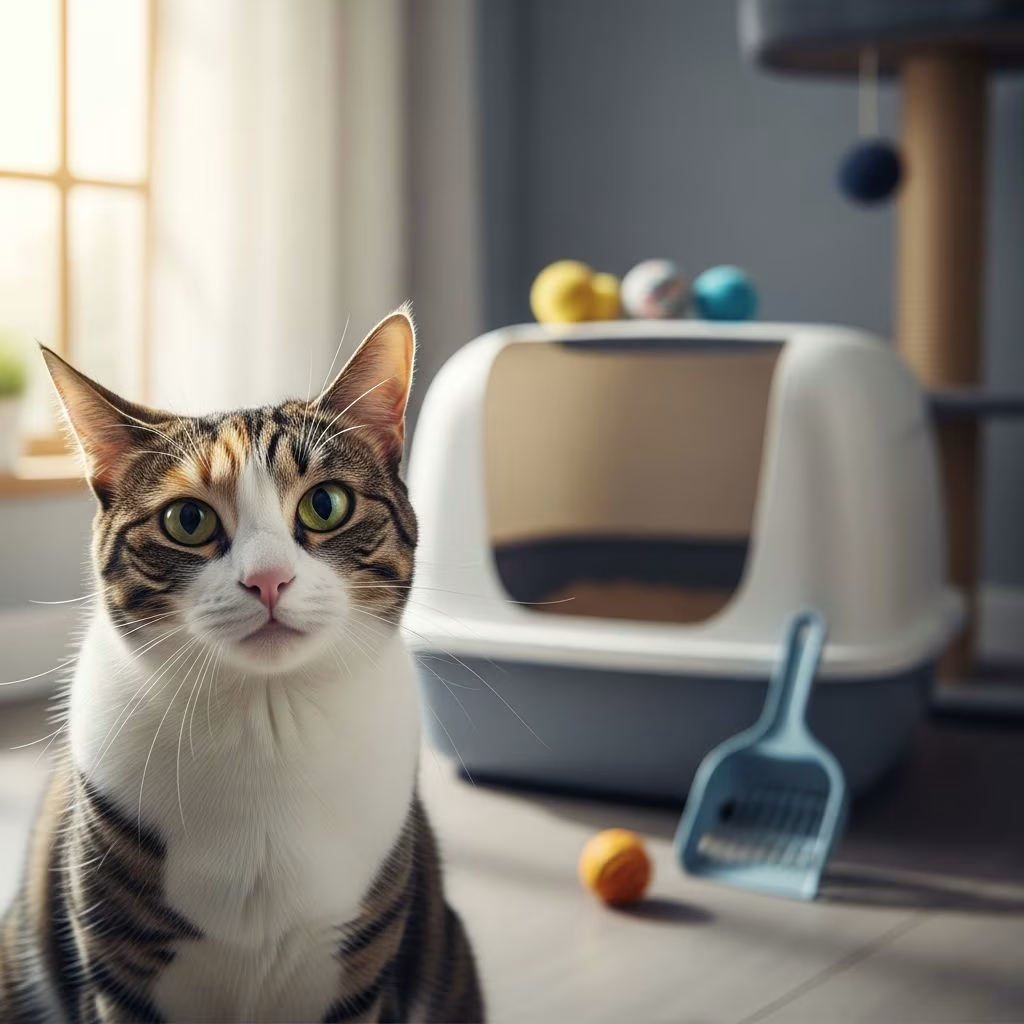
Why Your Cat Stopped Using the Litter Box
One of the most frustrating challenges cat owners face is when their feline companion suddenly stops using the litter box. This behavior can be both bewildering and distressing, but understanding the underlying causes is the first step toward resolving the issue. Cats typically stop using their litter boxes for a variety of interconnected reasons, ranging from serious medical conditions to simple environmental changes. The good news is that with proper investigation and patience, most litter box problems are entirely reversible.
Medical Causes: The First Thing to Rule Out
Before exploring behavioral or environmental factors, it is critical to consult with your veterinarian for a thorough physical examination. Several medical conditions can make using the litter box painful or uncomfortable, causing your cat to seek alternative locations for elimination. Understanding these potential health issues should always be your first priority.
Urinary tract infections (UTIs) are among the most common medical culprits behind litter box avoidance. Cats experiencing UTI symptoms often associate the litter box with pain and deliberately avoid it. Similarly, bladder stones, kidney disease, and other urinary system disorders can create discomfort during elimination. Additionally, gastrointestinal issues such as constipation, diarrhea, or inflammatory bowel disease may prompt cats to avoid their usual bathroom spot. Older cats, in particular, may develop arthritis or mobility issues that make accessing or using the litter box painful, leading them to seek more convenient locations around your home.
Your veterinarian can perform diagnostic tests including urinalysis, blood work, and imaging studies to identify any underlying medical conditions. Once a medical cause is identified and treated, many cats return to consistent litter box usage without additional intervention.
The Litter Box Itself: Common Problems and Solutions
Once medical issues have been ruled out, the litter box itself often becomes the focus of investigation. Most cats are remarkably particular about their bathroom facilities, and even minor changes can trigger avoidance behavior.
Size and Type of Litter Box
Many commercial litter boxes are simply too small to comfortably accommodate adult cats, particularly larger breeds. Cats need adequate space to turn around, squat comfortably, and cover their waste. Consider upgrading to a large plastic storage container, such as those designed to fit under a bed, which provides significantly more room for your cat to move freely.
Enclosed or hooded litter boxes, while aesthetically pleasing to humans and odor-controlling, are often disliked by cats. These boxes trap unpleasant smells and can make cats feel confined or trapped. Many cats, especially those with mobility concerns or senior felines, struggle to enter high-walled boxes comfortably. If your cat has been avoiding a hooded box, try removing the hood or switching to an open design. Additionally, plastic liners inside litter boxes can irritate some cats’ paws and create unnecessary aversion.
If you decide to introduce a new litter box, consider placing it in a new location while temporarily maintaining the old box. This allows your cat to discover and explore the new option without pressure. Gradually transition to the preferred box by cleaning it more frequently while reducing maintenance on the old box before removing it entirely.
Litter Type and Preferences
Cats possess sensitive noses and specific litter preferences that should not be overlooked. If you have recently changed litter brands or types, this may be the primary cause of your cat’s avoidance. Most cats prefer unscented, clumping litter with a texture resembling fine sand. Chemical fragrances and heavily perfumed products are frequently rejected by fastidious felines.
If you must transition to a different litter type, do so gradually over several weeks. Begin by mixing small amounts of the new litter with the familiar brand, gradually increasing the proportion of new litter with each box cleaning. This gradual transition allows your cat to adjust without triggering aversion.
To identify your cat’s specific preferences, experiment by offering different types of litter side by side. Try clay litters, shredded paper, sawdust, wood pellets, or even sand or dirt alternatives. Observe which option your cat gravitates toward most frequently. Additionally, most cats prefer approximately three inches of litter depth—enough to cover their waste without excess.
Litter Box Cleanliness
Cats naturally prefer clean bathrooms, just as humans do. A litter box that has accumulated waste or odor becomes increasingly unappealing to your feline companion. Establish a consistent daily scooping routine to remove clumps and waste promptly. Schedule deep cleaning sessions at least weekly, replacing all litter with fresh material and sanitizing the box itself to eliminate residual odors.
Automatic litter boxes can significantly improve cleanliness consistency by regularly removing waste, reducing odor accumulation and maintaining an environment more appealing to your cat. For cats with mobility limitations, models with ramp accessories make access even easier.
Box Location and Accessibility
The location of your litter box plays a crucial role in your cat’s willingness to use it consistently. Cats prefer private, accessible locations away from their food and water bowls. If the box is positioned in a high-traffic area, near noisy appliances, or in a location that makes your cat feel vulnerable, she may avoid it.
Consider relocating the box to a quieter, more private area of your home. Ensure the location remains easily accessible at all times, particularly for senior cats or those with mobility issues. Multiple boxes in different locations throughout your home can also encourage consistent usage, following the general guideline of providing one box per cat, plus one additional box.
Environmental Stress and Behavioral Factors
Environmental changes and stress can profoundly impact your cat’s litter box habits. Cats are creatures of routine who become anxious when their environment changes unexpectedly.
Recent Changes and New Introductions
Moving to a new home, introducing a new pet, welcoming new family members, or even significant changes to your existing routine can trigger stress-related litter box avoidance. During periods of transition, maintain as much consistency as possible in your cat’s daily schedule, feeding times, and play routines. Keep your cat’s litter box location consistent, and ensure she has access to familiar items that provide comfort and security.
If you are introducing a new cat or dog to your household, provide separate litter box areas for each cat to prevent territorial disputes and ensure each animal has adequate bathroom access without competition.
Multi-Cat Household Dynamics
In homes with multiple cats, litter box conflicts frequently arise when one cat feels bullied or insecure about territory. A dominant cat may block access to the litter box, preventing subordinate cats from using it comfortably. Creating vertical spaces using shelving systems helps reduce territorial tension by allowing cats to establish separate zones throughout your home.
Provide multiple litter boxes distributed across different areas of your house rather than clustering them in one location. Use corrugated cardboard objects throughout your home to allow each cat to mark areas with their scent, establishing a sense of personal territory and security. Interactive play using wand toys helps reduce defensiveness among cats and can alleviate the tension that often manifests as litter box issues.
Stress Management Strategies
Identify and eliminate potential sources of stress in your cat’s environment. Cover windows where your cat may see outdoor cats or other stressors. Maintain consistent feeding schedules and food bowl locations. Keep your cat’s routine as predictable as possible, as uncertainty triggers anxiety.
Synthetic pheromone sprays and diffusers have demonstrated effectiveness in reducing stress-related behaviors in cats. These products mimic natural calming pheromones and can help your cat feel more secure during stressful transitions or environmental changes.
Negative Litter Box Associations
Sometimes a cat develops a negative association with the litter box itself after a frightening or painful experience. A cat may have been startled while using the box, experienced pain during elimination due to a medical condition, or felt threatened in that location. These negative associations cause cats to deliberately avoid the box even after the triggering event has passed.
If your cat hesitates before entering the box or enters and quickly exits without using it, she may have developed such an association. Placing food bowls with favorite treats near the box can help create positive associations. Additionally, relocating the box to a new spot can eliminate the negative memory associated with the previous location. Gradually reintroduce your cat to litter box usage through positive reinforcement and patience.
Addressing Inappropriate Elimination Sites
Once you have identified and begun addressing the underlying cause, manage any areas where your cat has already eliminated outside the box. Thoroughly clean these spots with enzymatic cleaners specifically designed to eliminate pet urine odor. Regular household cleaners often fail to completely remove these odors, causing cats to repeatedly eliminate in the same locations.
Block access to problem areas if possible, or place deterrents such as aluminum foil or double-sided tape, which cats typically dislike. Alternatively, place food bowls with favorite treats in these areas, as cats are naturally reluctant to eliminate where they eat.
For cats that prefer outdoor elimination, installing an outdoor cattery—ranging from simple covered enclosures containing a litter box to elaborate structures with shelves, cubbies, and play areas—can provide an acceptable alternative while remaining under your supervision.
Prevention and Maintenance Strategies
Essential Litter Box Maintenance
- Scoop litter boxes daily to remove waste and clumps
- Perform deep cleaning with fresh litter at least weekly
- Replace entire litter boxes when they become scratched or retain odors
- Maintain adequate litter depth of approximately three inches
- Use unscented clumping litter unless your cat prefers alternatives
- Position boxes away from food, water, and high-traffic areas
- Provide multiple boxes—ideally one per cat plus one additional box
Frequently Asked Questions About Litter Box Avoidance
Q: How many litter boxes should I have for my cats?
A: The general guideline is one litter box per cat, plus one additional box. This ensures each cat has adequate bathroom access without territorial competition.
Q: Should I punish my cat for eliminating outside the litter box?
A: No. Punishment creates fear and stress, which often worsens litter box avoidance. Instead, gently place your cat in the box if you catch her eliminating elsewhere, and focus on addressing the underlying cause.
Q: What is the best type of litter for cats with sensitive paws?
A: Paper-based, pellet, or sand-like litters are gentler on sensitive paws. Avoid heavily perfumed clay litters. Experiment with different options to identify your cat’s preference.
Q: Can automatic litter boxes help with litter box avoidance?
A: Yes. Automatic litter boxes maintain consistent cleanliness by regularly removing waste, which appeals to cats that avoid dirty boxes. Models with ramp accessories are particularly beneficial for senior or mobility-challenged cats.
Q: How long does it take to resolve litter box issues?
A: Resolution timeframes vary depending on the underlying cause. Medical issues may be resolved within days to weeks of treatment. Behavioral and environmental adjustments typically take several weeks as cats gradually rebuild positive associations with their litter boxes.
Q: Should I move the litter box if my cat stops using it?
A: Moving the box to a new location can help reset negative associations, but do so gradually. Place a new box in a better location while maintaining the old one temporarily, allowing your cat to discover the new option.
When to Consult Your Veterinarian
Schedule a veterinary appointment immediately if your cat suddenly stops using the litter box, especially if this is a change from previous consistent behavior. A thorough physical examination can rule out urinary tract infections, bladder stones, kidney disease, arthritis, or other medical conditions requiring treatment. Emergency veterinary care is warranted if your cat shows signs of urinary obstruction, inability to urinate, or severe pain.
Even after addressing environmental and behavioral factors, persistent litter box avoidance warrants veterinary consultation to ensure no underlying medical conditions have been missed.
Conclusion: Patience and Persistence Pay Off
While litter box avoidance is frustrating, it is almost always resolvable with systematic investigation and appropriate interventions. Begin by ruling out medical causes through veterinary examination. Then methodically evaluate litter box size, type, location, cleanliness, and litter preferences. Address environmental stressors and multi-cat household dynamics. Most cats return to consistent litter box usage once the underlying cause is identified and corrected. With patience, persistence, and attention to your cat’s specific needs and preferences, you can successfully restore appropriate litter box habits and enjoy a clean, odor-free home.
References
- Cat Not Using Litter Box: Causes and Solutions — Best Friends Animal Society. 2025. https://bestfriends.org/pet-care-resources/cat-not-using-litter-box-causes-and-solutions
- Why Is My Cat Not Using The Litter Box — Litter-Robot. July 1, 2025. https://www.youtube.com/watch?v=976plMDLRC4
- What to do if Your Cats are Not Using the Litter Box — Arm & Hammer. 2025. https://www.armandhammer.com/en/articles/cats-not-using-the-litter-box
- Litter Box Problems — ASPCA. 2025. https://www.aspca.org/pet-care/cat-care/common-cat-behavior-issues/litter-box-problems
- Not Using the Litter Box — Cat Friendly Homes. 2025. https://catfriendly.com/signs-symptoms/not-use-the-litter-box/



