

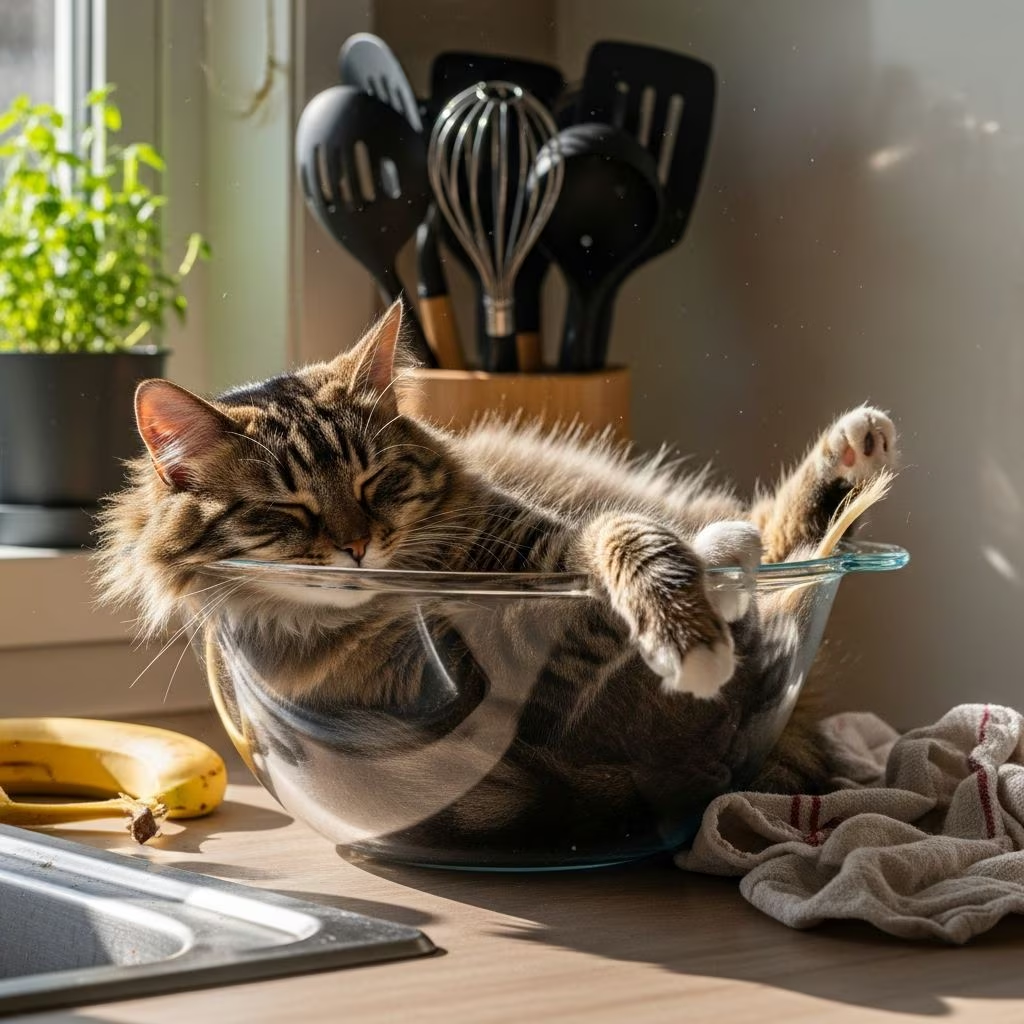
Why Is My Cat Suddenly Sleeping in Odd Places?
If you’ve noticed your feline companion curled up in a shoebox, perched on top of the refrigerator, tucked inside a kitchen cabinet, or squeezed into an impossibly small corner, you’re not alone. Many cat owners find their pets sleeping in the most unexpected and seemingly uncomfortable locations, despite having access to perfectly good cat beds and furniture. This peculiar behavior often puzzles pet owners, but there are actually logical explanations rooted in your cat’s evolutionary history and natural instincts.
Understanding Your Cat’s Instinctive Behavior
The reason your cat chooses odd sleeping spots stems from their wild roots and survival instincts. Although our cats are now pampered domestic pets, they retain all the instincts of lone hunters from their ancestors. These instincts guide not only how they hunt and catch prey but also how they protect themselves while vulnerable—such as when sleeping. In the wild, cats don’t have a pack to protect them during rest, so they must choose their sleeping spots strategically to remain safe from predators.
The Safety Factor: Why Small Spaces Appeal to Cats
One of the primary reasons cats gravitate toward unusual sleeping locations is the sense of security these spaces provide. Small, enclosed areas offer your cat a feeling of safety that open sleeping spaces like beds or couches cannot match. When your cat is tucked into a snug space, no one can sneak up on them while they doze—a critical survival advantage for a small predator in the wild.
Enclosed Spaces as Protective Havens
Shoeboxes, kitchen drawers, bathroom cabinets, sinks, and cardboard boxes all share this sheltered appeal. These confined spaces provide multiple benefits:
- Protection from potential threats and surprise attacks
- A sense of being surrounded and contained, similar to swaddling for human infants
- Reduced exposure to unfamiliar visitors, other pets, or children
- A designated area where your cat can feel completely in control
When cats try to squeeze into boxes that seem far too small for their bodies, they are actively seeking this sense of security and comfort. The snug fit provides reassurance similar to what an infant experiences when swaddled. This behavior is not a sign of distress but rather an indication that your cat is seeking a safe haven where they can relax completely.
Warmth and Temperature Regulation
Beyond security, warmth plays a significant role in your cat’s choice of sleeping locations. Little spaces warm up quickly, making them nice and cozy in no time. Cats have a naturally high body temperature of approximately 102°F (39°C), so they are naturally drawn to warm areas.
Cozy Spots for Comfort
Your cat’s preference for warm sleeping spots is deeply rooted in their evolutionary history. Wild ancestors of domestic cats, such as the African wildcat, sought out enclosed, warm, and elevated places to sleep to avoid predators and harsh environmental conditions. This explains why your cat might choose to sleep on your bed, where your body generates heat, or in a sunny windowsill, or even in the warmth of the kitchen near appliances.
Elevated Perches and High Vantage Points
While small, enclosed spaces represent one category of odd sleeping spots, elevated perches represent another. Many cats enjoy sleeping on top of furniture, bookshelves, the refrigerator, or the back of the couch—spots that may seem precarious but offer distinct advantages.
Benefits of Height in Cat Sleep Habits
A high vantage point provides multiple strategic advantages for your cat:
- Safety from predators: Elevated positions protect your cat from potential threats while sleeping, including other pets, children, or unfamiliar visitors
- Hunting advantage: As a predator themselves, a perched position gives your cat a panoramic view to keep an eye on potential “prey”
- Territorial awareness: Higher positions allow your cat to monitor their entire territory and detect any changes in their environment
- Escape routes: Elevated spots often provide easy access to multiple escape routes if needed
In your home, the “prey” your cat monitors from these high perches will likely consist of toys, insects, or other household movement rather than actual mice or squirrels, but the motivational instinct remains the same. If your cat loves these elevated sleeping spots, consider providing a cat tree with multiple high perches as a designated alternative to your furniture.
Sleeping on Your Bed: Bonding and Comfort
Many cats choose to sleep on their owner’s bed, which combines multiple comfort factors. Research has shown that 62% of cats sleep with their adult owners, indicating a strong preference for human warmth and companionship.
Why Your Bed Becomes Your Cat’s Favorite Spot
Your bed offers several appealing features to your cat:
- Warmth: Your body generates heat, making your sleeping area even more attractive
- Familiar scent: Your bed carries your scent, which becomes a comforting and familiar place for your cat
- Security: Sleep is a vulnerable time, and cats instinctively gravitate toward places where they feel safe, especially near a familiar human
- Bonding: Sleeping near you reinforces your cat’s bond with you while providing comfort and security
Sleeping on Your Chest or Head
If your cat sleeps on your chest, they may be bonded to you and want to be close. Your cat may also position themselves near your mouth to be closer to your voice, which provides comfort. Additionally, your cat may be soothed by the sound of your heartbeat and the rhythmic motion of your breathing—much like the sound of a heartbeat soothes an infant. Research published in the Mayo Clinic Proceedings found that cats often show a preference for sleeping on their owner’s chest precisely because of these soothing, familiar sounds, with kneading behavior often accompanying this sleeping position.
Sleeping at Your Feet
When your cat sleeps at your feet, they are achieving a balance between comfort and independence. This position allows them to feel close to you while maintaining an easy escape route. Sleeping by your feet also provides warmth and security while giving your cat the freedom to move freely if needed. Your feet may also carry strong, recognizable smells from walking around all day, making them a prime location for scent reinforcement and familiarity.
Sudden Changes in Sleeping Habits
While most odd sleeping spots are harmless and rooted in natural instinct, sudden changes in your cat’s sleeping habits may warrant attention. If your senior cat or any cat suddenly begins sleeping in strange places they don’t normally prefer, it could indicate an underlying health issue.
When to Consult Your Veterinarian
Pay special attention if your cat shows additional signs such as:
- Changes in eating or drinking habits
- Litter box issues or unusual urinary or digestive problems
- Lethargy or lack of interest in activities
- Changes in grooming habits
- Vocalization changes or behavioral shifts
If your cat is sleeping in their litter box, this is usually a medical reason requiring veterinary attention, potentially indicating urinary or digestive issues. A veterinarian can rule out health concerns and determine whether the behavior change is simply a preference shift or indicates a more serious problem.
Creating Ideal Sleeping Spaces for Your Cat
Understanding why your cat seeks odd sleeping spots allows you to provide better alternatives that satisfy their instinctive needs.
Recommended Sleeping Spot Options
- Donut beds or round bolster beds: Perfect for cats who like to curl into a ball while retaining body heat and protecting vital organs
- Covered cat beds: Provide the security and warmth of small spaces with the comfort of a dedicated cat bed
- Cat trees with high perches: Give your cat elevated vantage points for both security and surveillance
- Cardboard boxes: Free or inexpensive options that provide both security and the satisfaction of occupying small spaces
- Window perches: Combine elevation, warmth from sunlight, and entertainment value from outside views
- Blanket-covered hiding spots: Create cozy retreats that offer both physical shelter and dampening of stressful noises
Considerations for Multi-Cat Households
In multi-cat households, closely bonded cats often engage in group naps together. Providing multiple sleeping spaces in different locations helps reduce competition and stress while allowing each cat to rest comfortably.
The Curled-Up Ball Position
One of the most common sleeping positions you’ll see is your cat curled into a ball, with their nose touching their tail. Cats like to be warm, and this shape helps them retain body heat effectively. This position also protects vital organs in their abdomen by surrounding them with less essential and more resilient muscle and bone—another example of your cat’s survival instincts at work.
Scent and Territory Marking Through Sleep
Cats rely heavily on scent for familiarity and security. When your cat chooses to sleep in certain locations, they are not only selecting a comfortable spot but also reinforcing their sense of territory and safety through scent marking. Your bed, your lap, and even your feet carry your scent, making them appealing sleeping locations. By resting in these spots, your cat is creating a scent-marked territory that feels safe and familiar.
Frequently Asked Questions
Q: Is it normal for cats to sleep in weird places?
A: Yes, it’s completely normal. Cats’ instincts drive them to seek small, enclosed, warm spaces for security and comfort. This behavior is rooted in their evolutionary history as solitary hunters.
Q: Why does my cat suddenly sleep in new odd places?
A: Your cat may be seeking new safe spaces as their preferences change or in response to household changes. However, a sudden shift in sleeping habits can sometimes indicate health issues, so consult your veterinarian if accompanied by other behavioral changes.
Q: Should I be concerned if my cat sleeps in the litter box?
A: Sleeping in the litter box is unusual and typically indicates a medical problem, such as urinary or digestive issues. Contact your veterinarian promptly if this occurs.
Q: How can I encourage my cat to use the cat bed I bought?
A: Choose beds that mimic the characteristics cats prefer—covered beds for security, elevated perches for safety and surveillance, and heated beds for warmth. Place them in quiet, undisturbed locations away from household traffic.
Q: Why does my cat sleep on my chest?
A: Your cat may be bonded to you and seeking closeness, comfort from hearing your heartbeat and breathing, and warmth from your body. This position also provides security and reinforces your relationship.
Q: What does it mean when my cat sleeps at my feet?
A: Sleeping at your feet represents a balance of trust and independence. Your cat feels secure near you while maintaining the freedom to move away if needed, and they benefit from your scent and body heat.
References
- Why do cats sleep in weird places? — VCA Animal Hospitals. 2024. https://vcahospitals.com/shop/home/articles/cat-nap-weird-edition
- 20 Cat Sleeping Positions and What They Mean — PetMD. 2024. https://www.petmd.com/cat/general-health/cat-sleeping-positions-and-what-they-mean
- Where Your Cat Sleeps on Your Bed and What It Means — The Cattopia. 2024. https://www.thecattopia.com/blog/where-your-cat-sleeps-on-your-bed-and-what-it-means/
- Why do cats sleep in strange places? — PetBucket. 2024. https://www.petbucket.com/blog/64147/why-do-cats-sleep-in-strange-places.html



