

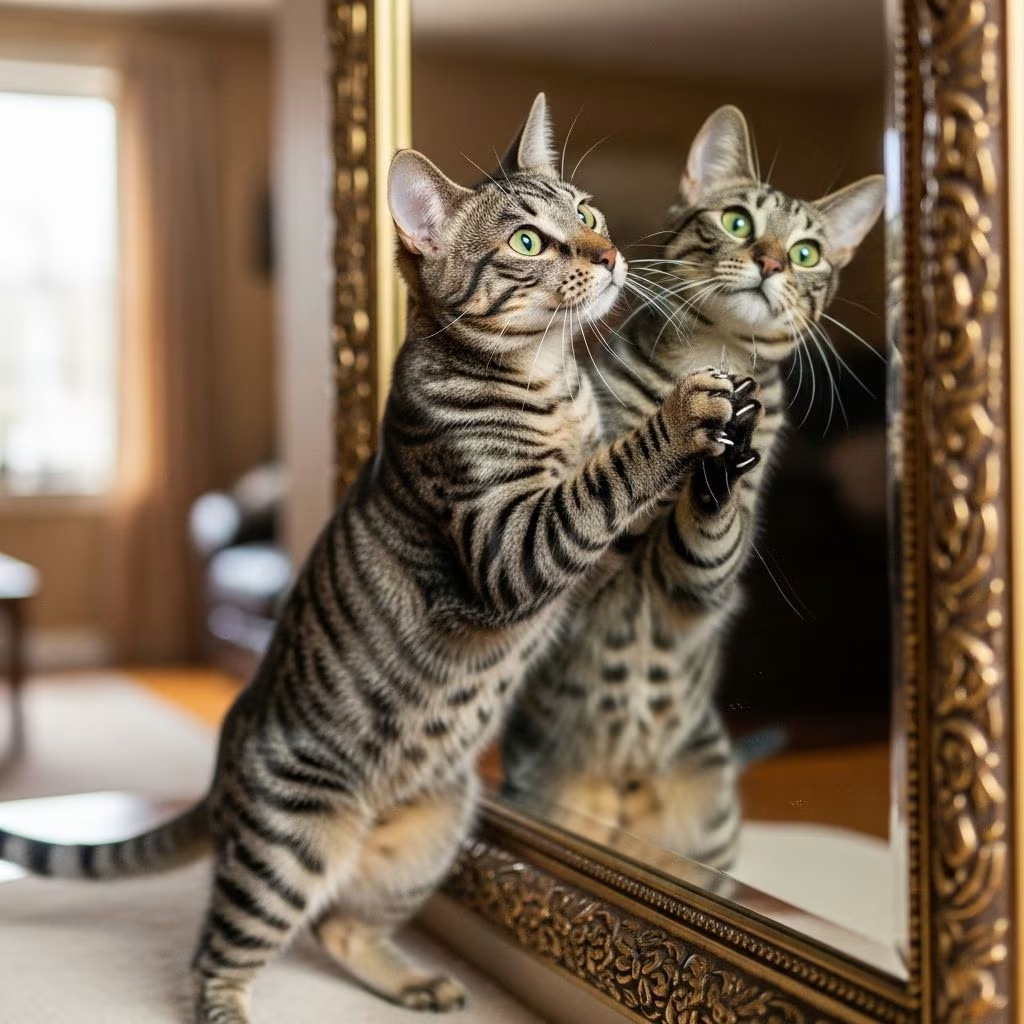
Why Is My Cat Scratching the Mirror? Possible Causes & Solutions
If you’ve noticed your cat scratching at mirrors in your home, you’re not alone. This behavior can be puzzling and sometimes concerning for pet owners. Understanding the reasons behind mirror scratching is essential for creating a safe and stress-free environment for your feline companion. Figuring out the answer largely depends on the context of the behavior and your cat’s individual personality.
Understanding Why Cats Scratch Mirrors
Cats scratch mirrors for several instinctual and behavioral reasons. The most common explanation is rooted in feline territoriality, sensory perception, and natural claw-maintenance habits. When cats interact with reflective surfaces, they’re responding to deeply ingrained instincts rather than deliberately destructive tendencies.
Misidentification of Reflection as Another Cat
One of the primary reasons cats scratch mirrors is that they don’t recognize their own reflection as themselves. When your cat sees a mirrored image, especially if it moves quickly or flicks its tail, the brain interprets this as the presence of another cat. Since cats rely heavily on scent and motion rather than visual self-recognition, the silent, unmoving ‘cat’ in the mirror can be confusing or threatening. This misidentification triggers instinctive responses such as defensive posturing, hissing, swatting, or scratching.
The reflected image appears unresponsive yet persistent, which can frustrate or confuse your cat. The lack of reaction from the ‘other cat’ might prompt repeated attempts to communicate or establish dominance. Over time, this can develop into habitual behavior, particularly if the mirror is located in a high-traffic or resource-rich area near food, windows, or sleeping spots.
Territorial Marking and Scent Glands
Some cats scratch mirrors to mark their territory. Cats have scent glands located in their paws, and they leave behind their scent when they scratch any surface. By scratching the mirror, your cat claims the area as their own, establishing territorial boundaries within your home. This is especially common when your cat has perceived a threat from the reflected image.
Environmental Factors That Trigger Mirror Scratching
Your home environment plays a significant role in whether your cat develops mirror-scratching behavior. Several environmental factors can increase the likelihood of this behavior:
- Mirror Size and Type: Floor-length mirrors or full-wall reflective surfaces are more likely to provoke reactions than small decorative mirrors. The larger the reflection, the more it resembles a genuine threat to your cat.
- Mirror Placement: Mirrors positioned near windows increase stimulation because your cat may see real outdoor cats, then turn and see their own reflection. This creates a confusing mix of real and illusory threats that intensifies reactivity.
- Lighting Conditions: Cats are crepuscular, meaning they’re most active at dawn and dusk. Lower lighting at night may make reflections appear more ghostly or unpredictable, increasing reactivity to mirrors.
- Household Activity Level: In quiet environments, your cat can focus more intensely on subtle stimuli like mirror reflections, making them more likely to react.
Beyond Threat Response: Other Reasons for Mirror Scratching
Playfulness and Curiosity
Not all mirror scratching stems from fear or territoriality. Some cats interact with mirrors out of playfulness or curiosity. Kittens especially may see something moving in the mirror and try to catch it, not realizing they cannot physically reach the reflection. This playful behavior is typically harmless and often resolves naturally as cats mature and understand the nature of mirrors.
Fear and Defensive Behavior
If your cat behaves oddly around mirrors or glass surfaces, such as hitting the mirror or puffing up and arching their back, it may indicate fear of their reflection. Your cat may assume the reflection is another cat in their territory and enter fight mode. However, this behavior usually lasts briefly, as cats soon realize their reflection isn’t another cat since no sounds or smells are coming from it.
Attention-Seeking Behavior
Sometimes cats scratch mirrors simply to get your attention. If you notice your cat scratching the mirror doesn’t appear to result from fear or playfulness, they may be seeking interaction. The scratching behavior may seem pointless, but if you react by scolding them, your cat may actually enjoy this attention, even if it’s negative. Cats are known for their need for attention and will resort to behaviors that grab their owner’s focus, whether positive or negative.
Boredom and Insufficient Stimulation
Indoor cats may scratch mirrors because they’re bored and require more mental and physical stimulation. Without adequate toys and entertainment, cats become restless and resort to destructive or unusual behaviors. Since indoor cats don’t experience different environments or meet new animals and people, they can become bored quickly. Providing sufficient toys, interactive play sessions, and environmental enrichment keeps cats engaged and prevents them from turning to mirror scratching.
Is Mirror Scratching Harmful to Your Cat?
Occasional scratching at a mirror is generally harmless and considered normal feline behavior. However, problems arise when the behavior becomes obsessive or leads to injuries. Understanding the potential risks helps you determine when intervention is necessary:
| Concern | Description | When to Act |
|---|---|---|
| Physical Injury | Broken claws or bleeding pads from aggressive scratching | Immediately cover the mirror or provide first aid |
| Property Damage | Damage to furniture or walls around the mirror | Redirect behavior to scratching posts |
| Chronic Stress | Constant exposure to unresolvable stimuli contributes to stress | Remove access to mirror; observe for stress symptoms |
| Secondary Behaviors | Over-grooming, appetite changes, or inappropriate elimination | Consult veterinarian if symptoms persist |
Practical Solutions to Manage Mirror Scratching
Environmental Modifications
The most effective solution often involves modifying your home environment:
- Cover the Mirror: Use opaque film, frosted glass stickers, or simply cover the mirror with a towel or blanket. This eliminates the confusing stimulus entirely.
- Reposition the Mirror: Move the mirror to a location where your cat spends less time or cannot easily access it.
- Block the View: If the mirror faces a window where outdoor cats are visible, use curtains or blinds to block your cat’s view of external threats.
Provide Alternative Scratching Surfaces
Redirect your cat’s scratching instinct to appropriate surfaces. Provide scratching posts, cat trees, and scratching boards in areas where your cat likes to spend time. Place these alternatives near the mirror initially, then gradually move them to preferred locations throughout your home. Regularly trim your cat’s nails to reduce the urge to scratch and prevent injury.
Increase Mental and Physical Stimulation
Combat boredom by introducing new toys and rotating existing ones to keep things interesting. Engage in interactive play sessions with wand toys, laser pointers, or balls. Create vertical spaces with cat trees so your cat can climb and observe their environment. Puzzle feeders and treat-dispensing toys provide mental stimulation while satisfying hunting instincts.
Behavioral Training and Positive Reinforcement
While you can’t verbally explain mirrors to cats, you can modify behavior through environmental changes and positive reinforcement. Redirect scratching to acceptable surfaces and eliminate access to the mirror until the habit fades. Reward your cat when they use appropriate scratching posts with treats, praise, or playtime.
When to Seek Professional Help
While occasional mirror scratching is normal, persistent or escalating behavior warrants professional evaluation. Signs that indicate a need for veterinary or behavioral consultation include:
- Obsessive repetition of the behavior multiple times per day
- Aggression toward people or pets immediately after mirror interaction
- Self-injury during attempts to reach the reflection
- Sudden onset without environmental change
- Co-occurring symptoms like hiding, reduced appetite, or litter box avoidance
A veterinarian can rule out medical issues such as vision impairment or neurological conditions. A certified animal behaviorist can design a tailored intervention plan specific to your cat’s needs and circumstances.
Do All Cats React to Mirrors the Same Way?
No. Individual cats display varying responses to mirrors based on their temperament, past experiences, and level of environmental stimulation. Some cats ignore mirrors completely, while others may playfully bat at them or display aggression. Understanding your individual cat’s personality and preferences helps you predict their behavior and respond appropriately.
Frequently Asked Questions
Q: Why does my cat only scratch the mirror at night?
A: Cats are crepuscular, meaning they’re most active at dawn and dusk. Lower lighting at night may make reflections appear more ghostly or unpredictable, increasing reactivity. Additionally, household quiet at night allows cats to focus more on subtle stimuli like mirror reflections.
Q: Can I train my cat to stop scratching the mirror?
A: You can’t verbally explain mirrors to cats, but you can modify behavior through environmental changes and positive reinforcement. Redirect scratching to acceptable surfaces, eliminate access to the mirror until the habit fades, and reward desired behaviors with treats and praise.
Q: Will covering the mirror stress my cat?
A: Generally, no. Removing a confusing or threatening stimulus tends to reduce stress rather than increase it. If your cat previously marked the mirror, provide an alternative outlet like a scratching post to prevent frustration.
Q: Could mirror scratching be a sign of OCD in cats?
A: In rare cases, repetitive behaviors can indicate compulsive disorders, especially if accompanied by trance-like states or self-harm. Consult a veterinarian if the behavior seems uncontrollable or worsens over time.
Q: How can I tell if my cat is stressed by their mirror behavior?
A: Signs of stress include hiding, reduced appetite, litter box avoidance, over-grooming, or aggression toward people and pets. If you notice these symptoms alongside mirror scratching, contact your veterinarian promptly.
Conclusion
Mirror scratching in cats is a common behavior rooted in natural instincts and environmental factors. Whether your cat mistakes their reflection for an intruder, marks territory, seeks attention, or plays, understanding the underlying cause allows you to respond effectively. By implementing environmental modifications, providing appropriate scratching surfaces, and increasing mental and physical stimulation, you can manage this behavior successfully. Remember that occasional mirror interaction is normal, but persistent or concerning behavior warrants professional evaluation from your veterinarian or a certified animal behaviorist.
References
- Why Cats Scratch at Mirrors: Behavior Explained — Alibaba Cat Lovers Community. 2024. https://catlovers.alibaba.com/question/why-does-my-cat-scratch-at-the-mirror
- Why Does My Cat Scratch The Mirror? — RexiPets. 2024. https://rexipets.com/blogs/the-latest/why-does-my-cat-scratch-the-mirror
- Why Is My Cat Scratching the Mirror? Possible Causes & Vet Advice — Catster. 2024. https://www.catster.com/cat-behavior/why-is-my-cat-scratching-the-mirror/



