

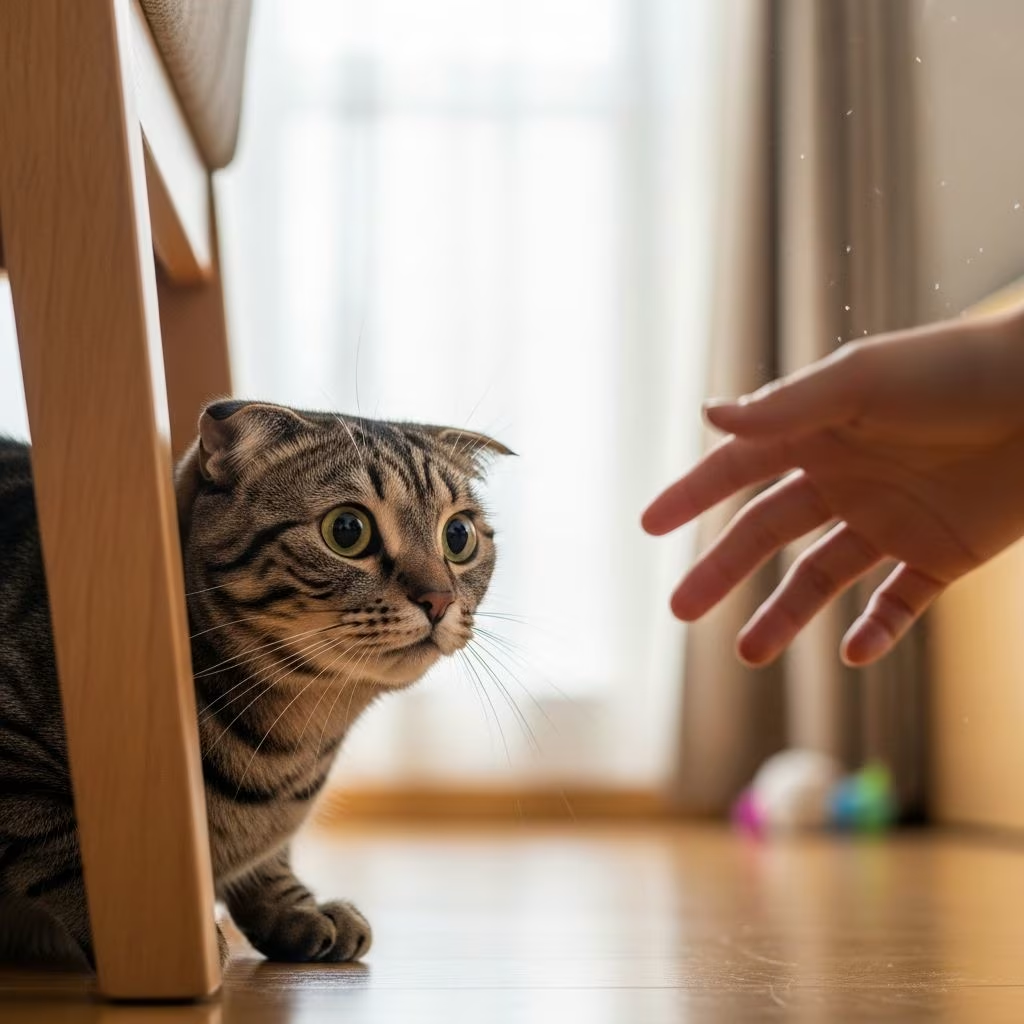
Why Is My Cat Scared of Movement?
Many cat owners notice their feline companions react with alarm or anxiety to sudden movements, whether it’s a person walking across a room, a hand reaching toward them, or even a simple shift in body position. This fear of movement is more common than you might think, and it stems from a cat’s natural instincts and past experiences. Understanding why your cat exhibits this behavior is the first step toward helping them overcome their anxiety and build a more confident, trusting relationship with you and their environment.
Cats are naturally observant creatures with highly developed senses. Their eyes can detect even the slightest movements, making them hyper-aware of their surroundings. For some cats, this heightened sensitivity becomes a source of stress rather than a survival advantage. Whether your cat is fearful due to a lack of early socialization, past trauma, or simply a naturally cautious temperament, there are proven methods to help them feel safer and more secure.
Understanding Feline Fear Responses
Fear in cats manifests in various ways, and movement-related anxiety can significantly impact their quality of life. When a cat is afraid of movement, they may exhibit behaviors such as hiding, freezing in place, or attempting to flee when they perceive motion nearby. This constant state of alertness can lead to chronic stress, which negatively affects their physical health and emotional well-being.
The roots of movement-related fear often trace back to early life experiences. Cats who weren’t properly socialized during their critical developmental period may view unfamiliar movements as threats. Additionally, cats rescued from stressful environments, such as hoarding situations or street life, frequently develop heightened sensitivity to motion. Even indoor cats can develop this fear if they haven’t been exposed to normal household activity in a gradual, positive manner.
Common Signs Your Cat Is Scared of Movement
Recognizing the signs that your cat is experiencing movement-related anxiety is crucial for addressing the issue effectively. Here are the most common behaviors that indicate your cat may be afraid of movement:
- Hiding under furniture or in enclosed spaces when people move around
- Excessive startle responses to normal household activity
- Attempts to flee or run away when approached
- Dilated pupils and flattened ears during periods of activity
- Growling, hissing, or swatting at people or objects in motion
- Freezing or remaining completely still when movement occurs nearby
- Refusing to come out of hiding even after activity has ceased
- Loss of appetite or changes in litter box habits due to stress
Why Cats React to Movement: The Science Behind the Behavior
Cats are predators with exceptional visual acuity, particularly in detecting movement. Their eyes are equipped with specialized cells that make them extremely sensitive to motion, which helps them hunt effectively in the wild. However, this same adaptation can make them overly reactive to everyday movements in a home environment.
When a cat perceives movement as a threat, their autonomic nervous system triggers a fight-or-flight response. This ancient survival mechanism floods their body with stress hormones like adrenaline and cortisol, preparing them to either confront the perceived threat or escape. For a scared cat, the default response is usually flight—hiding becomes their safety strategy. Over time, if this fear response is reinforced through repeated stressful experiences, the behavior can become deeply ingrained.
Additionally, cats who lack early socialization haven’t learned to distinguish between threatening and non-threatening movements. To them, all unfamiliar motion is potentially dangerous, leading to a generalized fear response. This is why rescued cats from neglectful or chaotic environments often display heightened sensitivity to movement.
The Role of Socialization in Movement Sensitivity
Early socialization is critical in determining how comfortable a cat becomes with various stimuli, including movement. Kittens exposed to different types of motion, varying speeds of movement, and diverse people during their critical developmental period (between 2-7 weeks of age) typically develop greater tolerance and confidence. Conversely, kittens raised in isolation or restricted environments are more likely to develop fear-based responses to normal household activity.
Rescue organizations like Best Friends Animal Sanctuary have developed specialized socialization protocols specifically designed to help fearful cats overcome their sensitivity to movement. These evidence-based techniques recognize that even adult cats, despite missing early socialization opportunities, can learn to trust and feel comfortable around human activity with patient, consistent intervention.
Proven Techniques for Helping Scared Cats
If your cat is afraid of movement, several effective strategies can help them build confidence and reduce their anxiety:
Environmental Modifications
Creating a safe, predictable environment is essential for anxious cats. Provide multiple hiding spaces throughout your home where your cat can retreat when feeling overwhelmed. These should be quiet, secure areas elevated or enclosed enough to give your cat a sense of protection. Consistency in your daily routine also helps; when cats know what to expect, unpredictable movements become less frightening.
Gradual Exposure and Desensitization
Slowly expose your cat to movement in controlled, positive contexts. Begin with very slow, deliberate movements while your cat is at a comfortable distance. Pair these movements with positive associations like treats, play, or affection. Over time, gradually increase the speed and proximity of movements as your cat becomes more comfortable. This desensitization process requires patience but yields significant results.
Using Food as a Positive Association
Food is a powerful motivator for cats and can help reshape their emotional response to movement. When your cat sees you move, immediately offer a treat or their favorite food. This creates a positive association where movement predicts something good is about to happen, rather than something to fear. Consistency is key—every movement should be paired with a reward until your cat begins to anticipate positive outcomes.
Structured Interaction and Routine
Establish a consistent daily routine with predictable interaction times. Feeding your cat at the same times each day and using the same gentle movements during these interactions helps them learn that certain types of motion are safe and associated with care. Many rescue professionals recommend beginning interaction sessions with a feather wand, progressing to gentle hand contact, and eventually to holding and petting as the cat becomes more comfortable.
Slow, Deliberate Movements
When interacting with a fearful cat, move slowly and deliberately. Avoid sudden gestures, quick hand movements, or rapid changes in position. Let your cat approach you rather than reaching toward them. Allow them to control the pace and intensity of interaction. This approach respects their boundaries while gradually building trust.
Professional Socialization Programs
For severely traumatized or unsocialized cats, professional intervention through established programs like “Miss Sherry’s Finishing School for Felines” can be transformative. These programs use systematic, step-by-step approaches that have successfully helped hundreds of cats overcome extreme fear and anxiety. The process typically involves confined housing that creates a sense of security, consistent caregiver interaction, and progressive exposure to trusted human contact.
Timeline for Progress: What to Expect
Helping a scared cat overcome their fear of movement is not a quick process. Depending on your cat’s history and the severity of their anxiety, progress may take weeks, months, or even longer. Some key milestones to watch for include:
- Week 1-2: Your cat may remain hidden but begin accepting food from your hand
- Week 3-4: Initial curiosity about you and your movements; willingness to stay in the room while you’re present
- Week 5-8: Tolerance of gentle hand contact; reduced startle responses
- Month 3+: Increased comfort with normal household movement; seeking interaction
- Month 6+: Significant behavioral changes; confidence in most situations
Remember that progress isn’t always linear. Stressful events or changes in the environment can cause temporary setbacks, but consistent application of these techniques will ultimately lead to improvement.
When to Seek Professional Help
If your cat’s fear of movement is severe, accompanied by aggressive behaviors (such as biting or scratching), or if you see no improvement after several months of consistent effort, consult with a veterinary behaviorist. They can rule out underlying medical conditions that might contribute to anxiety and develop a customized treatment plan. In some cases, short-term use of anti-anxiety medication may be recommended to help your cat remain calm enough to benefit from behavioral modification techniques.
Real-World Success Stories
Countless cats have successfully overcome their fear of movement with dedicated care and proper techniques. Cats rescued from hoarding situations, stray cats, and even cats who experienced trauma after losing their owners have demonstrated remarkable transformations. These success stories demonstrate that with patience, consistency, and compassion, even the most frightened cats can learn to trust and feel comfortable in their environments.
Creating Long-Term Success
Once your cat has made progress in overcoming their fear of movement, maintain their confidence through continued gentle, predictable interactions. Regular play sessions, consistent feeding schedules, and ongoing positive reinforcement help prevent regression. As your cat becomes more confident, gradually introduce them to new experiences and environments in a controlled manner, always respecting their individual pace.
Frequently Asked Questions About Cats Scared of Movement
Q: How long does it typically take for a scared cat to become comfortable with movement?
A: The timeline varies significantly depending on your cat’s history and temperament. Some cats show improvement within weeks, while others may require several months. Consistency and patience are more important than speed.
Q: Is it harmful to confine a scared cat in a small space?
A: Research shows that fearful cats often feel safer in smaller, enclosed spaces rather than large open areas. The confined space reduces overwhelming stimuli and allows caregivers to build trust more effectively. However, proper care, including regular feeding, fresh water, and litter box access, is essential.
Q: Can an older cat overcome fear of movement?
A: Absolutely. While younger cats may progress more quickly, adult and senior cats can successfully overcome movement-related anxiety with proper techniques and dedication from their caregivers.
Q: What if my cat becomes aggressive when I try these techniques?
A: Defensive aggression often masks underlying fear. Move more slowly, maintain greater distance, and use higher-value treats. If aggression intensifies or causes injury, seek guidance from a veterinary behaviorist to adjust your approach safely.
Q: Should I use punishment to correct fear-based behavior?
A: No. Punishment will only increase your cat’s fear and anxiety. Positive reinforcement, patience, and environmental management are the only effective approaches for helping scared cats.
Q: Can medication help my cat’s fear of movement?
A: In some cases, veterinary behaviorists may recommend short-term anti-anxiety medication to help your cat remain calm enough to benefit from behavioral modification. Always consult with your veterinarian before considering medication.
References
- Turning Terrified Cats Into House Cats with Gentle, Persistent Persuasion — Best Friends Animal Society. https://bestfriends.org/stories/features/turning-terrified-cats-house-cats-gentle-persistent-persuasion
- Cat’s Transformation from Scary to Sweet — Best Friends Animal Society. https://bestfriends.org/stories/features/cats-transformation-scary-sweet
- How to Socialize Very Shy or Fearful Cats — Riverdale Animal Shelter / Adams County Government. https://animalshelter.adcogov.org/sites/default/files/How%20to%20Socialize%20an%20Adult%20Cat.pdf
- Socializing Shy Cats — Best Friends Animal Society. https://bestfriends.org/stories/features/socializing-shy-cats



