

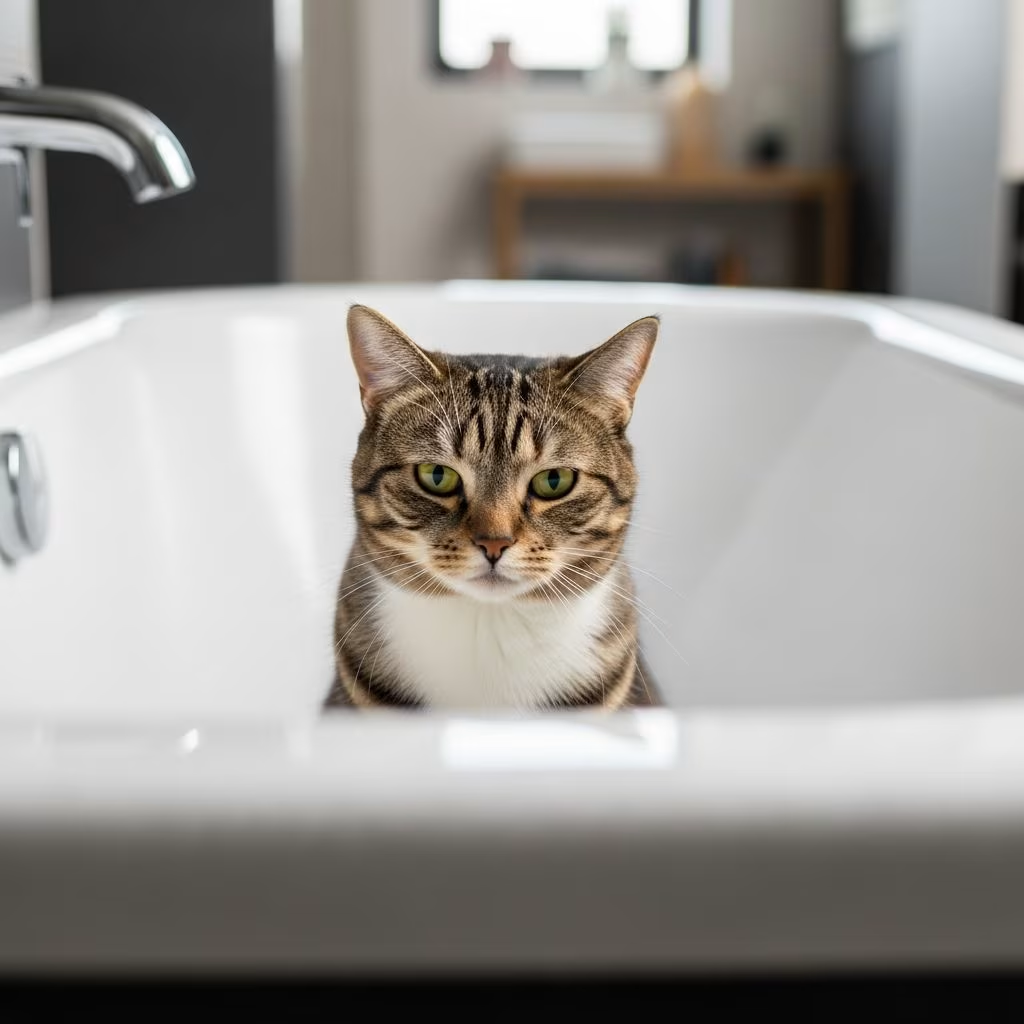
Why Your Cat Poops in the Bathtub: Understanding This Common Problem
Discovering poop in your bathtub is an unpleasant surprise that many cat owners face. While it may seem like your cat is simply being naughty or stubborn, the truth is far more nuanced. Cats typically choose alternative bathroom locations like bathtubs, sinks, or showers due to specific behavioral, environmental, or medical reasons rather than out of spite. Understanding the underlying cause is the first critical step toward resolving this frustrating issue. This comprehensive guide will explore six common reasons your cat may be avoiding their litter box and help you implement effective solutions to restore proper toileting habits.
The 6 Reasons Your Cat Poops in the Bathtub
1. Behavioral Issues
Behavioral issues represent the most common reason cats abandon their litter boxes in favor of bathtubs. This category encompasses several situations, including improper litter box training and stress-induced behavioral changes. Kittens that have never been properly trained to use a litter box often resort to alternative locations, as do adopted adult cats that never learned appropriate toileting etiquette from their previous owners.
Drastic household changes can also trigger behavioral problems. Cats are creatures of habit and routine, and significant disruptions to their environment can cause sufficient stress to alter their bathroom behaviors. The good news is that behavioral issues are typically the easiest to address among all potential causes.
To resolve behavioral problems, start by ensuring your litter box is clean, properly positioned, and located in a suitable, private area where your cat won’t feel threatened or exposed. Using a litter box is largely instinctual for most cats, so optimizing these basic conditions often encourages them to return to appropriate toileting. If problems persist, consulting with your veterinarian for specialized behavioral guidance is recommended.
2. Health Issues
Various underlying health conditions can cause cats to poop outside their litter boxes. Gastrointestinal issues such as diarrhea may prevent your cat from reaching their litter box in time, resulting in accidents in alternative locations like the bathtub. Typically, this behavior is temporary and resolves once your cat recovers and feels healthy again.
Interestingly, constipation can also contribute to this problem. When constipation causes discomfort or pain during bowel movements, your cat may associate the pain with their litter box. Upon finally feeling the urge to defecate, they may deliberately choose a private location like the bathtub to avoid what they perceive as a source of pain. Other potential health issues include bladder inflammation (cystitis), bladder stones, and other gastrointestinal disorders that warrant professional veterinary evaluation.
3. Litter or Litter Box Aversion
Cats are notoriously particular about their litter boxes and litter preferences. A sudden change in litter type, litter box style, or litter box location can trigger aversion behaviors. Some cats may reject new litter varieties that feel different beneath their paws or have unfamiliar scents, even if the new litter is objectively superior or more environmentally friendly.
If you’ve recently changed your cat’s litter, consider reverting to their previous brand or gradually transitioning by mixing the old and new litter together, slowly increasing the proportion of new litter over time. Additionally, the litter box itself matters significantly—covered boxes, open boxes, and boxes of different sizes appeal to different cats. If you’ve recently modified the litter box setup, reverting to the previous configuration may resolve the issue.
Location is equally critical. Cats prefer privacy and tranquility during bathroom activities. If the litter box is positioned in a high-traffic area, near loud appliances, or in an exposed location where the cat feels vulnerable, they may seek alternative bathroom spots. Relocating the box to a quiet, private, and accessible area often encourages appropriate use.
4. Anxiety and Stress
Cats are highly sensitive creatures that respond negatively to stress and anxiety. Significant life changes—such as moving to a new home, introducing new pets or family members, changes in your work schedule, or prolonged periods of owner absence—can trigger behavioral changes including inappropriate elimination. When stressed or anxious, cats may forget their training and exhibit uncharacteristic behaviors.
To address stress-related issues, identify potential stressors and work to minimize their impact. If you’ve brought a new pet into the home, keep the new animal away from the litter box area initially, allowing your existing cat to maintain their sense of security and territory. If you’ve recently moved, create a dedicated safe space for your cat separate from the main living areas for several days, complete with their familiar litter box, food, water, and toys. This controlled environment helps them adjust gradually to the new home while maintaining bathroom confidence.
5. Litter Type Preferences
Different cats have distinct preferences regarding litter composition and texture. Some cats prefer clay-based litter, while others favor clumping varieties, crystal litter, or natural alternatives like wood pellets. The problem is compounded when multiple cats with different preferences live in the same household.
If you’ve recently changed litter brands or types, your cat may be expressing their displeasure through inappropriate elimination. Switching back to the original litter variety is often the quickest solution. If that’s not feasible, transition gradually by mixing the old litter with the new variety and incrementally increasing the proportion of new litter over several weeks. This slower transition often allows cats to acclimate to the new texture and scent.
6. Cognitive Dysfunction
Older cats can develop cognitive dysfunction similar to dementia in humans, leading to disorientation and confusion. Senior cats experiencing cognitive decline may forget where their litter box is located, become disoriented about proper toileting locations, or wait until the last moment to eliminate, resulting in accidents in convenient locations like bathtubs.
Cognitive dysfunction often accompanies other age-related issues including anxiety, behavioral changes, and physical decline. While this represents a natural progression of aging, veterinary treatments can help manage symptoms and improve quality of life. Consult with your veterinarian about appropriate medications and management strategies for senior cats showing signs of cognitive dysfunction.
Solutions and Prevention Strategies
Environmental Modifications
- Maintain litter box cleanliness: Scoop litter boxes 2-3 times daily and perform thorough cleaning at least once weekly. Use enzymatic cleaners when cleaning the bathtub to eliminate odors that humans cannot detect but cats can.
- Provide multiple litter boxes: Follow the veterinary recommendation of having at least one more litter box than the number of cats in your household. For two cats, maintain at least three litter boxes.
- Optimize litter box location: Place boxes in quiet, private areas away from high-traffic zones, loud appliances, and the kitchen. Ensure the litter box is easily accessible from various locations in your home.
- Use covered litter boxes: If litter box location cannot be moved to a quieter area, consider switching to a covered litter box to provide additional privacy and reduce stress.
- Close bathroom doors: If your cat regularly poops in the bathtub, closing the bathroom door is a simple preventative measure, though this may redirect the behavior to other locations.
- Add water to the bathtub: Partially filling the bathtub with water just enough to cover the base can deter cats from using it as an alternative litter box, though some cats may view this as an invitation to play.
Behavioral Retraining
For cats that have developed a strong preference for bathtub elimination, temporary retraining may be necessary. Place the litter tray directly in the bathtub to establish the correct elimination location. Once your cat consistently uses the litter box within the bathtub, gradually move the tray out of the bathtub toward its desired permanent location over several weeks. This gradual transition helps your cat adjust to the new location while maintaining appropriate toileting habits.
Veterinary Consultation
If behavioral modifications and environmental changes don’t resolve the issue within a reasonable timeframe, professional veterinary evaluation is essential. Your veterinarian can rule out underlying medical conditions, assess for cognitive dysfunction, and provide specialized behavioral guidance or medication if necessary. Never punish your cat for inappropriate elimination, as this typically worsens the behavior by increasing anxiety and stress.
Important Considerations and Prevention Tips
Understanding Your Cat’s Perspective
It’s crucial to recognize that your cat is not behaving maliciously or out of spite. From your cat’s perspective, they have chosen the bathtub for legitimate reasons. These reasons may include comfort, privacy, safety, or avoidance of associated pain or anxiety. Approaching the problem from this perspective helps you investigate root causes more effectively and implement solutions that address your cat’s actual needs rather than treating symptoms superficially.
When to Seek Professional Help
If your cat’s inappropriate elimination behavior persists despite implementing these solutions, schedule a veterinary appointment to evaluate potential medical causes. Changes in toileting habits should never be ignored, as they often indicate underlying health or behavioral issues requiring professional intervention. Your veterinarian may recommend additional diagnostic testing, medication, or referral to a feline behavior specialist.
Frequently Asked Questions About Cats Pooping in Bathtubs
Q: Will punishing my cat for pooping in the bathtub stop the behavior?
A: No, punishing your cat will likely make the problem worse. Punishment increases stress and anxiety, which are common underlying causes of inappropriate elimination. Instead, focus on identifying and addressing the root cause while maintaining a calm, supportive environment.
Q: How many litter boxes should I have for my cat?
A: Veterinarians recommend having at least one more litter box than the number of cats in your household. For a single cat, two boxes is ideal; for two cats, three boxes is recommended. This ensures each cat has access to a clean box without territorial conflicts.
Q: Can changing litter types cause my cat to poop in the bathtub?
A: Yes, many cats are sensitive to changes in litter type, texture, and scent. If you’ve recently changed litter brands, your cat may avoid the box in protest. Try reverting to the original litter or gradually mixing old and new varieties to facilitate the transition.
Q: What health issues can cause cats to poop outside the litter box?
A: Several health conditions can trigger this behavior, including diarrhea, constipation, gastrointestinal disorders, bladder inflammation, bladder stones, and in senior cats, cognitive dysfunction. If behavioral and environmental modifications don’t resolve the issue, consult your veterinarian to rule out medical causes.
Q: How long does it take to retrain a cat to use the litter box?
A: Retraining timelines vary depending on the underlying cause and individual cat temperament. Behavioral issues may resolve within days to weeks once environmental factors are optimized, while older cats with cognitive dysfunction may require ongoing management and medication for gradual improvement.
Q: Is litter box location important for preventing inappropriate elimination?
A: Yes, location is critically important. Cats prefer quiet, private, accessible locations away from high-traffic areas and loud appliances. If the litter box is in a stressful or inconvenient location, your cat may seek alternative bathroom spots like the bathtub.
Conclusion
Finding poop in your bathtub is undoubtedly frustrating, but this behavior is addressable once you identify the underlying cause. Whether your cat is experiencing stress, health issues, litter box aversion, or age-related cognitive changes, solutions exist. Start by optimizing your cat’s litter box environment—ensuring cleanliness, providing multiple boxes, and positioning them in quiet, private locations. If behavioral modifications don’t resolve the issue, consult your veterinarian to rule out medical conditions. Remember that patience, consistency, and a commitment to understanding your cat’s perspective are essential for successfully resolving this common feline behavioral problem. By addressing the root cause rather than treating symptoms superficially, you’ll restore your cat’s confidence in appropriate toileting and eliminate unwanted bathroom behavior.
References
- 6 Vet-Reviewed Reasons Why Your Cat Poops in the Tub & How to Fix It — Catster. 2024. https://www.catster.com/cat-behavior/why-is-my-cat-pooping-in-the-bathtub/
- 7 Vet-Approved Tips to Stop Your Cat Pooping in the Bath — Our Pets Health. 2024. https://ourpetshealth.com/info/stop-my-cat-pooping-in-the-bath
- Why Is My Cat Pooping in the Tub? — Cats.com. 2024. https://cats.com/why-is-my-cat-pooping-in-the-tub
- How to Stop Your Cat from Pooping in Your Bathtub — Fiona’s Pet Services. 2024. https://www.fionaspetservices.com/post/how-to-stop-your-cat-from-pooping-in-your-bathtub
- Cat Behavior Problems – House Soiling — VCA Animal Hospitals. https://vcahospitals.com/know-your-pet/cat-behavior-problems-house-soiling



