

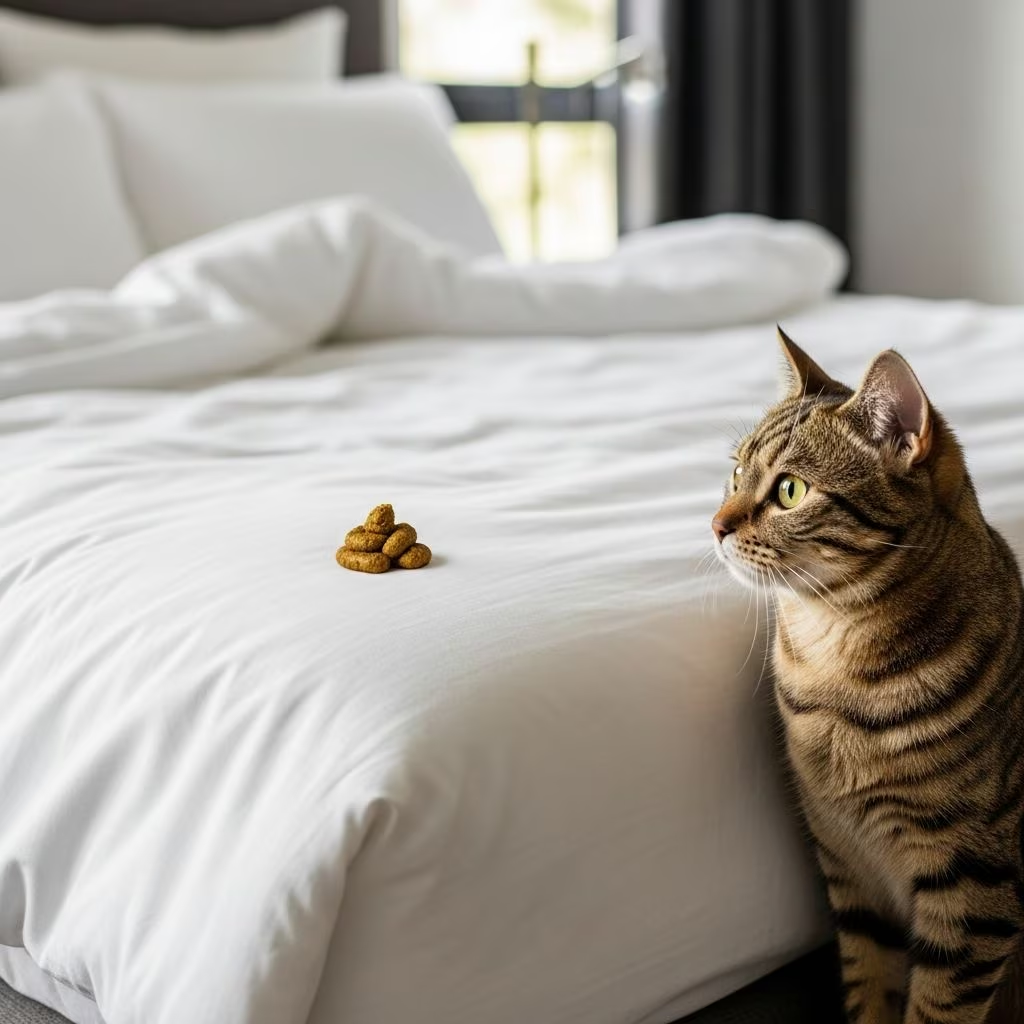
Why Does My Cat Poop on My Bed?
Discovering that your cat has pooped on your bed can be frustrating and concerning. This inappropriate elimination behavior is more common than you might think, and fortunately, it’s usually solvable. Understanding the root cause is the first step toward resolving the issue. Cats typically avoid their litter boxes for three primary reasons: medical issues, environmental stress, or problems with the litter box setup itself. By identifying which factor is affecting your cat, you can take targeted action to restore normal bathroom habits.
Medical Issues: Health Problems Behind the Behavior
When a cat suddenly begins pooping on your bed instead of using the litter box, a medical condition should be your first consideration. Many cats suffer from health problems that make using the litter box uncomfortable or painful, leading them to seek alternative locations. Understanding these medical causes can help you address the underlying issue quickly.
Digestive System Disorders
Digestive problems are among the most common medical causes of inappropriate elimination in cats. Conditions such as inflammatory bowel disease (IBD), intestinal parasites, and severe constipation can cause significant discomfort during bowel movements. When a cat experiences pain or discomfort while using the litter box, they may begin to associate that location with negative feelings. This learned association drives them to seek alternative spots, such as your bed, where they haven’t experienced pain. The softness and accessibility of a bed may also feel more comfortable to a cat suffering from digestive distress.
Mobility and Joint Problems
As cats age, they often develop arthritis and other joint conditions that make climbing into or squatting within a litter box painful. Senior cats may find it difficult to navigate a standard litter box, especially if the sides are high or the box is located in an inconvenient spot. When movement causes pain, your cat may opt for more accessible locations like your bed, which requires minimal effort to access. Additionally, cats with mobility issues may struggle to maintain balance while using a standard box, making them feel unsafe or unstable during elimination.
Urinary Tract Infections and Other Conditions
Urinary tract infections, bladder issues, and other medical conditions can create urgent elimination needs. A cat experiencing these problems may not have time to reach the litter box and might resort to the nearest available spot. If your bed is accessible and convenient during a moment of urgency, it becomes an unintended target. Your veterinarian can diagnose these conditions through examination and testing, allowing for proper treatment.
When to Schedule a Vet Visit
If your cat has recently developed the habit of pooping on your bed, scheduling a veterinary examination should be your immediate priority. A thorough examination can rule out medical issues and provide peace of mind. During the visit, your veterinarian can assess your cat’s overall health, check for parasites, and discuss any dietary changes or other symptoms you’ve noticed. Don’t wait to see if the behavior resolves on its own—prompt veterinary intervention can prevent further complications and identify treatable conditions early.
Environmental Stress and Behavioral Triggers
Beyond medical issues, environmental changes and stress can trigger inappropriate elimination behaviors in cats. Cats are creatures of habit who thrive on routine and familiarity. When their world shifts unexpectedly, they may respond with behavioral changes, including pooping on your bed as a way to cope with anxiety or mark their territory.
Household Changes and Transitions
Major changes in the household environment can significantly stress your cat. Common triggers include:
- Moving to a new home
- Introducing new pets or family members
- Rearranging furniture or renovating spaces
- Changes in your daily routine or schedule
- Extended periods of owner absence
When your cat feels unsettled by these changes, your bed—which carries your familiar scent—may feel like a safe, secure space. By pooping on your bed, your cat may be attempting to self-soothe and establish a sense of ownership and security in an uncertain environment.
Stress, Anxiety, and Territory Marking
Stress and anxiety can disrupt your cat’s normal elimination habits. If there are other pets in the home, your cat might feel threatened or bullied, particularly around shared resources like litter boxes. Subordinate cats may retreat to alternative locations when they feel insecure about accessing their litter box. Additionally, your cat might be marking territory by defecating on your bed, especially if they perceive changes in the social structure of the household or feel competitive over resources.
Owner Attention and Separation Anxiety
Changes in your availability and attention can also trigger inappropriate elimination. If you’ve recently returned to office work after working from home, or if you’ve been traveling more frequently, your cat may feel neglected or anxious. Some cats respond to separation anxiety by pooping on their owner’s bed as a way to cope with distress or to express their displeasure about the change in routine.
Litter Box Problems and Preferences
Even when your cat is healthy and emotionally stable, problems with the litter box itself can drive them to eliminate elsewhere. Cats are fastidious animals with specific preferences about their bathroom environment, and litter box issues are among the most common reasons for bed pooping.
Cleanliness and Maintenance
Cats are extremely clean animals, and a dirty litter box can be completely off-putting. If the box isn’t maintained to your cat’s standards, they may seek a cleaner alternative. Daily scooping and regular litter changes are essential for encouraging litter box use. A litter box that smells or contains waste from previous bathroom trips may prompt your cat to avoid it entirely and choose your bed instead—which they perceive as a fresh, clean location.
Litter Box Type, Size, and Location
The type, size, and location of your litter box significantly impact whether your cat will use it. Some cats prefer open boxes, while others feel safer in covered boxes. The box should be large enough for your cat to turn around comfortably—generally 1.5 times the length of your cat’s body. If the box is too small or cramped, your cat may seek more spacious alternatives. Additionally, litter boxes should be located in quiet, accessible areas away from food and water bowls. A box placed in a noisy or high-traffic area may make your cat feel vulnerable during elimination.
Litter Type and Preferences
Your cat may have specific preferences about litter type. Some cats prefer fine-grained litters, while others like clay or crystal varieties. If you’ve recently switched litter brands without gradually transitioning, your cat may reject the new litter. Scented litters can be particularly off-putting to some cats. Consider using unscented litter and experimenting with different textures to find your cat’s preference. Placing multiple litter boxes throughout your home, especially in multi-cat households, ensures your cat always has convenient access.
Solutions for a Cat Pooping on the Bed
Addressing inappropriate elimination requires a multi-faceted approach that tackles the underlying cause while reinforcing proper litter box habits. Implementing these solutions systematically will help restore your cat’s normal bathroom behavior.
Visit Your Veterinarian
Your first step should always be scheduling a veterinary examination. This visit is crucial for ruling out medical causes and ensuring your cat receives proper treatment if a health issue exists. Be prepared to discuss when the behavior started, any other symptoms, dietary changes, and your cat’s general health history. Your veterinarian may recommend diagnostic tests such as bloodwork or imaging to identify underlying conditions.
Make the Necessary Litter Box Adjustments
Once medical issues are ruled out, evaluate your litter box setup comprehensively. Consider implementing these adjustments:
- Clean the litter box daily and change litter regularly
- Experiment with different litter types to find your cat’s preference
- Ensure boxes are appropriately sized and easily accessible
- Place boxes in quiet, low-traffic areas
- Provide one box per cat plus an additional box in multi-cat households
- Avoid placing boxes near food and water bowls
- Consider both covered and open box options
Making these adjustments shows your cat that their litter box is now a preferable location for elimination.
Offset Stress and Environmental Changes
Help your cat cope with environmental stress by maintaining a consistent daily routine as much as possible. During times of household change, provide extra attention, playtime, and reassurance. Create safe spaces where your cat can retreat when feeling overwhelmed. Consider using calming aids such as pheromone diffusers like Feliway, which can help soothe anxious cats. If multiple pets are causing tension, ensure each cat has access to their own resources, including litter boxes, food bowls, and resting areas.
Make Your Bed an Unappealing Place to Poop
While addressing the underlying cause, make your bed less attractive as a bathroom location. You can use natural deterrents such as peppermint, orange scents, or even a small amount of Vicks VapoRub on the bed. Ensure nothing can be consumed or licked by your cat. If scents don’t work, try a commercial deterrent spray like PetSafe SSSCAT Deterrent Cat Spray, which produces a harmless, odorless mist that discourages cats from approaching the area. Additionally, close your bedroom door when you’re away to prevent access to the bed entirely. Temporarily using a plastic mattress cover can also make the bed less comfortable and inviting.
Clean Affected Areas Thoroughly
Use enzyme-based cleaners specifically designed for pet waste to thoroughly clean any areas where your cat has had accidents. Regular cleaners won’t eliminate the scent markers that cats can detect, which may encourage them to eliminate in the same spot repeatedly. Enzyme-based cleaners break down the organic compounds in urine and feces, completely removing the scent and preventing your cat from returning to that location.
Long-Term Prevention and Management
Beyond addressing immediate concerns, long-term strategies help prevent future incidents and maintain proper litter box habits. Consistency, attention, and environmental enrichment are key components of successful management.
Maintain Consistent Daily Routines
Cats thrive on predictability. Maintaining consistent feeding times, play schedules, and routines helps reduce anxiety and stress-related behaviors. When your cat knows what to expect from their day, they feel more secure and are less likely to develop inappropriate elimination habits.
Provide Environmental Enrichment
Enrichment reduces boredom and stress, which can contribute to behavioral problems. Provide toys, climbing structures, window perches, and interactive play sessions. Environmental enrichment keeps your cat mentally and physically stimulated, reducing the likelihood of stress-related behaviors including inappropriate elimination.
Consider Professional Help
For persistent issues that don’t respond to these interventions, consulting a feline behaviorist can provide specialized guidance. A behaviorist can assess your cat’s specific situation and recommend tailored solutions based on their expertise and your home environment.
Frequently Asked Questions
Q: Why did my cat suddenly start pooping on my bed instead of the litter box?
A: Sudden changes in elimination behavior often indicate either a medical issue or significant stress. Schedule a veterinary check-up immediately to rule out health problems, and evaluate recent changes in your home environment that might be causing stress. Medical conditions like digestive issues, arthritis, or urinary tract infections are common culprits.
Q: Could a medical problem be causing my cat to avoid the litter box and poop on my bed?
A: Yes, medical issues are a common cause of inappropriate elimination. Conditions like inflammatory bowel disease, arthritis, urinary tract infections, and other health problems can make using the litter box uncomfortable or painful. A veterinary examination with potential diagnostic testing is essential to identify these issues.
Q: How can changes in the home environment make my cat poop on the bed?
A: Cats are sensitive to environmental changes and thrive on routine. New pets, moving homes, schedule changes, or rearranging furniture can cause stress-related elimination issues. Your bed, carrying your familiar scent, might feel like a safe space where your cat can self-soothe or mark territory during times of uncertainty.
Q: What litter box issues might lead a cat to choose my bed as a bathroom?
A: Dirty litter boxes, uncomfortable litter types, poor box location, or insufficient boxes in multi-cat households can all lead to litter box avoidance. Ensure boxes are clean, accessible, appropriately sized, and located in quiet areas. Provide one box per cat plus an extra box in multi-cat homes.
Q: How can stress or anxiety make my cat poop on my bed, and what can I do to help?
A: Stress can disrupt normal elimination habits. Help your cat by maintaining a consistent routine, providing safe spaces to retreat, using calming products like pheromone diffusers, and ensuring adequate environmental enrichment and playtime. For severe cases, consult a veterinary behaviorist for specialized guidance.
Q: How long does it typically take to stop this behavior after making changes?
A: Recovery time varies depending on the underlying cause and how quickly you address it. Medical issues may resolve quickly with treatment. Stress-related behaviors typically improve within a few weeks once stressors are reduced and routines are stabilized. Consistency and patience are essential throughout the resolution process.
Q: Should I punish my cat for pooping on my bed?
A: No, punishment is counterproductive and can increase stress and anxiety, potentially worsening the behavior. Cats eliminate inappropriately due to medical issues or emotional distress, not out of spite. Focus instead on identifying the root cause and implementing positive solutions while rewarding your cat for using the litter box correctly.
Summary and Key Takeaways
When your cat poops on your bed, it’s a sign that something needs attention—whether it’s a health issue, environmental stressor, or litter box problem. With patience, understanding, and the right approach, this behavior can usually be resolved. The key is identifying the underlying cause and addressing it appropriately while maintaining a caring and supportive environment for your feline companion. Start with a veterinary visit, adjust your litter box setup if needed, manage environmental stress, and make your bed less appealing as an alternative bathroom. Through systematic problem-solving and consistent effort, you’ll help your cat return to normal, healthy litter box habits.
References
- Why Do Cats Poop on the Bed? Understanding and Solving This Problem — PetsCare. 2025. https://www.petscare.com/news/post/why-cat-poop-on-bed
- Why Is My Cat Pooping on My Bed? — PetSafe. 2025. https://www.petsafe.com/blog/why-cats-potty-on-beds/
- Why Does My Cat Poop on My Bed? — Chewy. 2025. https://www.chewy.com/education/cat/training-and-behavior/why-did-my-cat-poop-on-my-bed



