

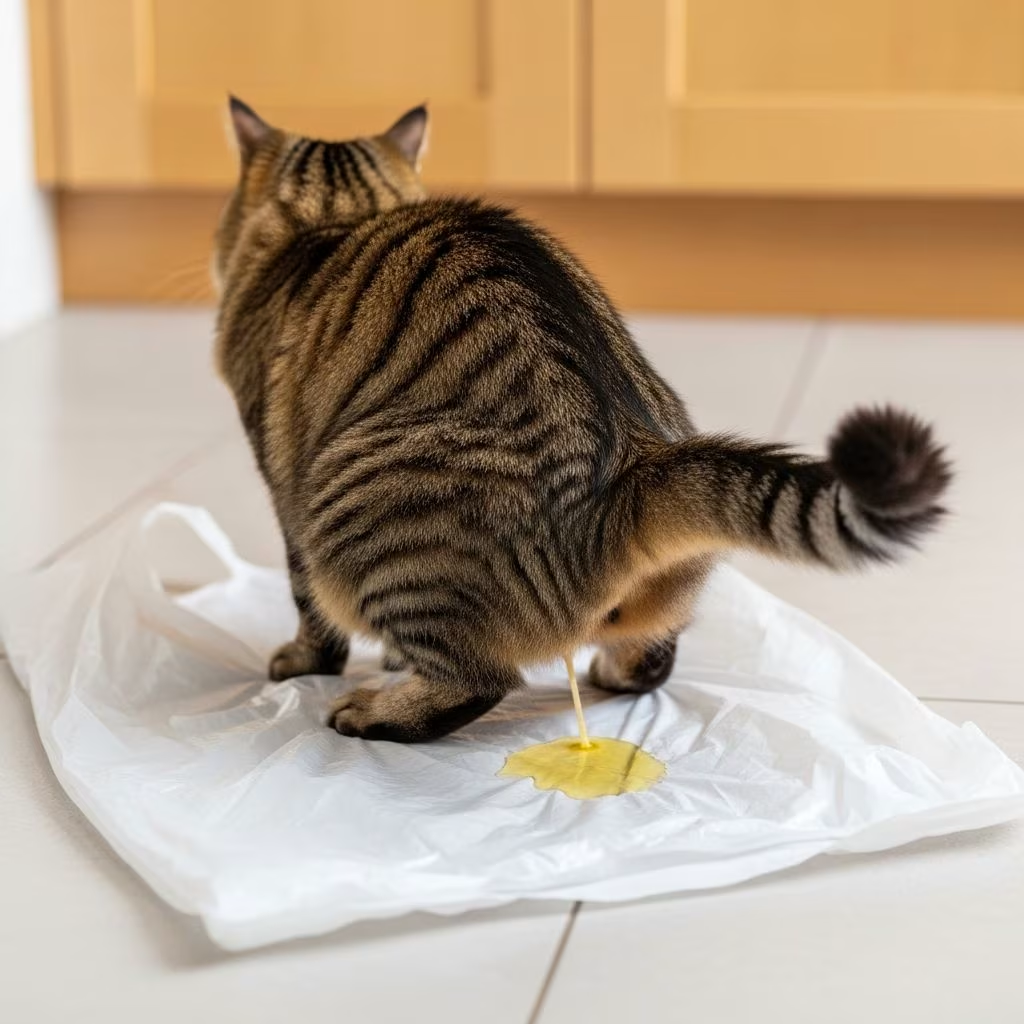
If you’ve noticed your beloved feline friend urinating on plastic bags around your home, you’re not alone. This peculiar behavior can be frustrating and confusing for cat owners, but there are several explanations behind why cats develop this habit. Understanding the root causes is essential to addressing the issue effectively and restoring harmony to your household.
Understanding Cat Urination on Plastic Bags
Before diving into specific reasons, it’s important to distinguish between two types of inappropriate urination in cats. Some cats may be simply relieving their bladder outside the litter box, while others might be urine marking—a territorial behavior where they stand with their tail upright and spray a small amount of urine backwards onto a vertical surface. Plastic bags and shopping bags are common targets for this marking behavior because they often carry unfamiliar scents that challenge your cat’s sense of security and territory.
Medical Causes of Inappropriate Urination
Before assuming your cat’s behavior is purely behavioral, it’s crucial to rule out underlying health conditions. Medical issues are a primary concern when cats urinate outside their litter boxes.
- Urinary tract infections: Bacterial infections can cause pain and increased urgency, making it difficult for your cat to reach the litter box in time.
- Bladder stones and crystals: These can be particularly dangerous in male cats and cause frequent, urgent urination.
- Kidney and liver disease: These conditions cause cats to drink more water and urinate more frequently, which may overwhelm the litter box situation.
- Diabetes and hyperthyroidism: Both conditions increase thirst and urination frequency.
- Bladder inflammation: Whether caused by infection or stress, inflammation can trigger inappropriate urination.
If your cat has suddenly started this behavior, a veterinary checkup should be your first step. Your veterinarian can run tests to rule out these medical conditions before you address behavioral or environmental factors.
Litter Box Issues: The Most Common Culprit
Many cats pee on plastic bags because they’re unhappy with their litter box situation. Cats are particular creatures with specific preferences about where and how they eliminate waste.
Litter Box Location and Accessibility
The location of your cat’s litter box plays a significant role in whether they’ll use it consistently. If your litter box is positioned in a busy, noisy, or high-traffic area of your home, your cat may feel anxious or vulnerable while using it. Cats prefer quiet, private spaces for their bathroom needs. Additionally, if the litter box is difficult to access—perhaps blocked by doors or located in an area your cat must pass through other territorial areas to reach—they may seek alternatives like plastic bags that are more conveniently located.
Ideally, place the litter box in a quiet, private location away from their food and water bowls, and ensure it’s easily accessible without requiring your cat to navigate threatening situations.
Litter Box Size and Type
The size of your litter box matters more than many cat owners realize. If your cat doesn’t have enough room to turn around comfortably in the tray, it’s too small. Covered litter boxes often create a claustrophobic feeling that some cats find unpleasant, especially if they’re tall enough to need to crouch unnaturally. Consider switching to a larger, open litter box if you currently use a covered one.
Cleanliness and Maintenance
One of the most common reasons cats pee on plastic bags is because their litter box is filthy. Cats are naturally clean animals and don’t like using litter boxes full of their own waste. When a litter box lacks sufficient clean litter for your cat to bury their deposits, they’ll seek cleaner alternatives—including plastic bags.
Establish a regular cleaning routine:
- Spot clean the litter box daily by scooping out waste
- Replace litter completely once a week
- Clean the litter box itself every 2-3 weeks with mild cleaners
- Avoid strong-smelling cleaning products that may deter your cat from using the box
If maintaining the litter box is challenging, consider investing in a self-cleaning litter box. These automated systems reduce the frequency of manual scooping and use less litter overall, making them both convenient and economical.
Litter Type and Texture Preferences
Cats have distinct texture preferences when it comes to litter. Some cats prefer softer substrates like sandy or clay-based litters, while others favor wood pellets or crystals. If you’ve recently changed litter brands or types, your cat may be protesting by finding alternative spots to urinate, such as plastic bags.
To address this issue:
- Return to your cat’s previous litter brand if you recently made a change
- Fill the litter tray with at least 6 cm of litter to allow proper digging
- Use unscented litter, as cats can be deterred by perfumed varieties
- Experiment with different litter types if your cat seems unhappy with the current option
Stress and Anxiety-Related Urination
Like humans, cats experience stress and anxiety, and inappropriate urination is a common manifestation of these emotions. Several life changes can trigger this behavior:
- Introduction of a new family member (baby or adult)
- Addition of a new pet to the household
- Moving to a new home
- Rearrangement of furniture
- New visitors or unfamiliar people in the home
- Loud noises or scary events
- Conflict with other cats in the household
When cats feel anxious or insecure, they may urine mark their territory to reestablish their sense of control and safety. Plastic bags, which often carry unfamiliar scents from stores or other sources, may trigger this territorial marking behavior.
To help reduce stress-related urination:
- Maintain a consistent daily routine
- Provide hiding spots and elevated perches where your cat feels safe
- Use pheromone diffusers designed to calm cats
- Gradually introduce changes to your home environment
- Ensure your cat has adequate resources (multiple litter boxes, food bowls, water sources)
Attraction to Plastic Materials
Some cats are genuinely attracted to plastic bags for reasons beyond behavioral issues. The tactile and olfactory qualities of plastic can appeal to felines in surprising ways.
Texture Preference
The smooth, soft texture of plastic bags may feel pleasant beneath your cat’s paws when burying waste. Unlike the grainy texture of traditional cat litter, plastic provides a different sensory experience that some cats find appealing. If your cat prefers softer substrates, this texture preference might explain their attraction to plastic bags.
Scent Attraction
Many plastic items are manufactured with substances derived from plant oils that emit a floral-like scent. If you’ve observed your cat rubbing their face on plastic bags, they’re likely attracted to this pleasant smell. This behavior indicates your cat finds the bags appealing for reasons beyond using them as a litter alternative.
To address scent-based attraction:
- Store plastic bags in closed closets or cupboards where your cat cannot access them
- Remove plastic bags from visible areas immediately after shopping
- Use reusable bags instead of plastic to reduce the temptation altogether
Territory Marking and Urine Spraying
If your cat is urine marking rather than simply urinating, the behavior stems from a need to establish or reinforce territorial boundaries. Cats mark territory with urine especially when they feel threatened or insecure. Plastic bags, particularly shopping bags from stores, carry unfamiliar scents that challenge your cat’s sense of territorial security.
Territory marking differs from regular urination in several ways:
- The cat stands upright with tail raised
- Only a small amount of urine is sprayed (not a full bladder void)
- The urine is sprayed backwards onto vertical surfaces
- Occurs near windows, doors, and items with unfamiliar scents
To reduce territorial marking:
- Clean marked areas thoroughly with enzymatic cleaners to remove scent markers
- Minimize exposure to outside scents and unfamiliar animals
- Consider spaying or neutering if your cat isn’t already (this reduces marking in many cases)
- Create a secure, predictable environment where your cat feels less threatened
Quick Reference: Litter Box Best Practices
| Litter Box Factor | Recommended Standard |
|---|---|
| Number of boxes | One per cat, plus one extra |
| Location | Quiet, private, easily accessible |
| Type | Open box (unless cat prefers covered) |
| Size | 1.5 times your cat’s body length |
| Litter depth | At least 6 centimeters |
| Spot cleaning | Daily |
| Full litter change | Once per week |
| Box cleaning | Every 2-3 weeks |
| Litter type | Unscented, matching cat preference |
Steps to Stop Your Cat from Peeing on Plastic Bags
If your cat has already developed this habit, take these practical steps to eliminate the behavior:
- Schedule a veterinary visit: Rule out medical conditions before addressing behavioral issues.
- Eliminate access to plastic bags: Store all plastic bags in sealed cabinets or closets.
- Clean marked areas: Use enzymatic cleaners designed for pet urine to remove scent markers completely.
- Evaluate litter box conditions: Review location, size, cleanliness, and litter type.
- Increase litter box frequency: If you have multiple cats, ensure adequate boxes in different locations.
- Identify stressors: Note any recent changes that might be causing anxiety.
- Consider environmental modifications: Add hiding spots, elevated perches, and toys to reduce stress.
- Be patient: Behavior modification takes time; consistency is essential.
Frequently Asked Questions
Q: Is it normal for cats to pee on plastic bags?
A: While not ideal, it’s a fairly common behavior with identifiable causes. Most cases relate to litter box dissatisfaction, stress, or attraction to the plastic’s texture or smell. The good news is that this behavior is usually correctable once you identify the underlying cause.
Q: How long does it take to stop this behavior?
A: This depends on the cause. If it’s a medical issue, resolution occurs after treatment. For behavioral issues, expect several weeks to months of consistent intervention before your cat returns to normal litter box habits.
Q: Should I punish my cat for peeing on plastic bags?
A: No, punishment is ineffective and often counterproductive, increasing stress and anxiety. Instead, focus on understanding the cause and making environmental adjustments. Positive reinforcement when your cat uses the litter box is more effective.
Q: Can diet affect inappropriate urination?
A: Yes, diet can influence urinary health. Ensure your cat eats quality food and drinks adequate water. If your cat has urinary tract disease, your veterinarian may recommend a special diet.
Q: What if I’ve tried everything and my cat still pees on plastic bags?
A: Consult your veterinarian again, as underlying medical issues can be subtle. You might also consider working with a feline behavior specialist who can provide personalized guidance for your specific situation.
Q: Are male cats more likely to pee on plastic bags than females?
A: Both males and females can develop this behavior. However, intact (non-neutered) males are more prone to territory marking, which may explain some cases. Spaying or neutering reduces this tendency significantly.
Conclusion
Understanding why your cat pees on plastic bags is the first step toward resolving this frustrating behavior. Whether the cause is medical, environmental, behavioral, or sensory, solutions are available. Start by scheduling a veterinary checkup to rule out health issues, then systematically evaluate your litter box setup, your home environment, and potential stressors. In most cases, identifying and addressing the underlying cause allows your cat to return to appropriate litter box use. Remember that patience, consistency, and a willingness to make adjustments are key to helping your feline friend overcome this habit.
References
- Why Does My Cat Pee on Plastic Bags? 7 Vet Reviewed Reasons — Hepper. Accessed 2026-01-14. https://articles.hepper.com/why-does-cat-pee-on-plastic-bags/
- Why Do Cats Pee on Things? — Feliway. Accessed 2026-01-14. https://us.feliway.com/blogs/news/why-do-cats-pee-on-things
- Why Is My Cat Peeing On Laundry? — Atlantic Veterinary Hospital. Accessed 2026-01-14. https://atlanticvetseattle.com/why-is-my-cat-peeing-on-laundry/
- Why is my cat urinating inappropriately? — RSPCA Knowledgebase. Accessed 2026-01-14. https://kb.rspca.org.au/categories/companion-animals/cats/behaviour/why-is-my-cat-urinating-inappropriately



