

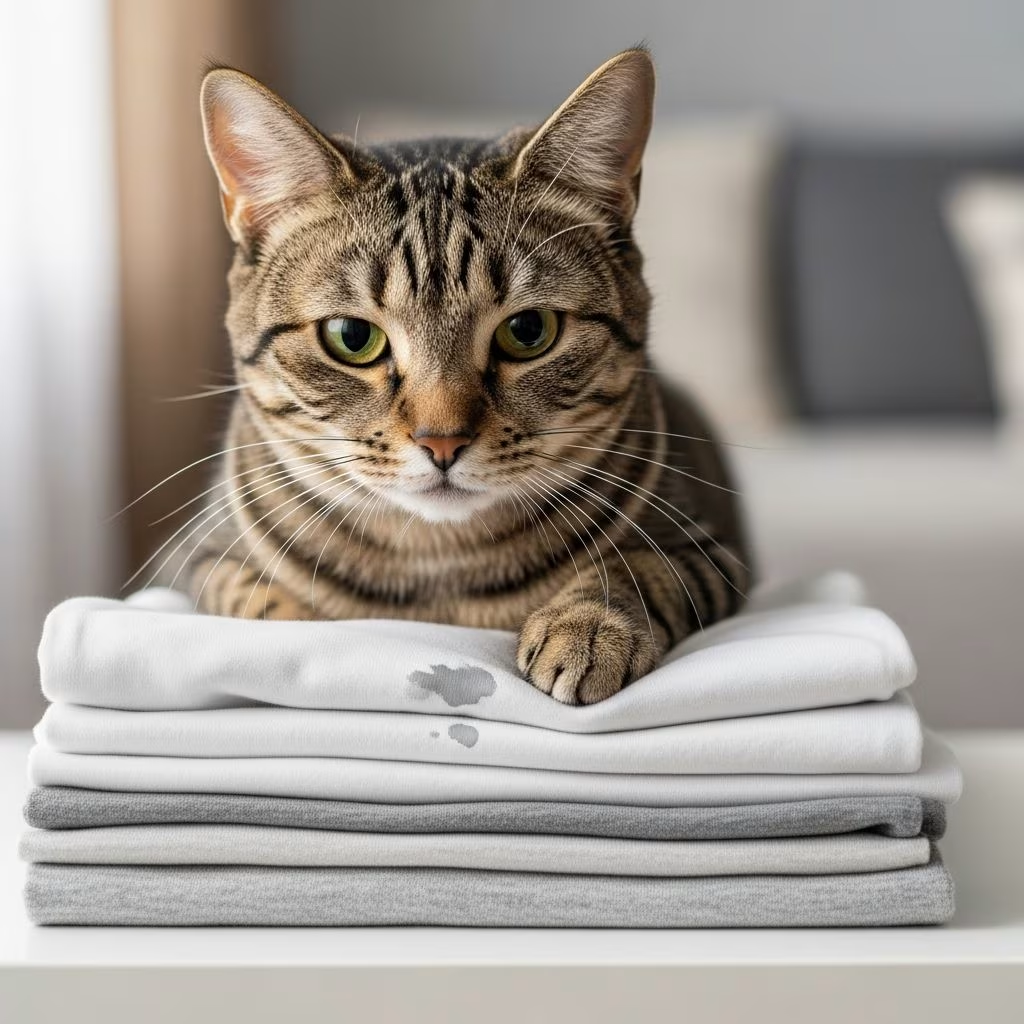
Why Does My Cat Pee on My Clothes? Reasons and Solutions
If you’ve ever discovered your cat has urinated on your clothes, you understand how frustrating and perplexing this behavior can be. While it might seem like your cat is acting out of spite or deliberately trying to upset you, the reality is far more complex. Cats don’t possess the emotional sophistication to understand or execute revenge. Instead, when your cat urinates outside the litter box—especially on your clothes—there are usually underlying medical or behavioral reasons responsible for this unwelcome habit.
The good news is that with proper understanding and intervention, you can identify the root cause and work toward a solution. Whether the issue stems from a health concern, environmental factors, or behavioral patterns, addressing cat inappropriate urination requires a systematic approach. Let’s explore the various reasons why your cat might be using your clothes as a substitute toilet and what you can do about it.
Understanding the Root Causes
Before you can effectively stop your cat from peeing on your clothes, you need to understand why this behavior is occurring in the first place. The causes generally fall into three main categories: medical issues, litter box problems, and behavioral or environmental factors. Identifying which category applies to your situation is the first step toward resolution.
Medical Reasons for Inappropriate Urination
One of the most critical aspects of addressing cat inappropriate urination is ruling out medical problems. Many cats exhibit this behavior because they’re experiencing physical discomfort or illness, not because they’re being difficult.
Urinary Tract Infections (UTIs)
Urinary tract and bladder inflammation and infections can cause a tremendous amount of pain or discomfort in your cat. When a cat is suffering from these conditions, they may make repeated attempts to urinate and cry out in pain. Some cats may also have blood in their urine. Interestingly, a cat with a UTI associates the pain with their litter box, so they search for alternative places to urinate, thinking a different location might be more comfortable. Your cat isn’t trying to be difficult—they’re trying to find relief. While factors like diet and kidney function can contribute to UTIs, stress can also trigger these infections.
Bladder Stones and Crystals
Two types of urinary stones, known as “uroliths,” can develop in cats: struvite and calcium oxalate. These stones can collect in the bladder, urethra, or both, and may cause obstruction in the urethra. These crystals can be exceptionally painful to pass, and any blockage requires immediate veterinary attention. This condition is particularly serious in male cats and can be fatal if not treated promptly. If your cat is straining to urinate or showing signs of distress, seek veterinary care immediately.
Other Medical Conditions
Beyond UTIs and bladder stones, other medical issues can lead to inappropriate urination. Kidney disease, diabetes, thyroid problems, and age-related conditions can all contribute to a cat urinating outside the litter box. These conditions often cause increased thirst and more frequent urination, making it difficult for your cat to reach the litter box in time.
Litter Box Issues: A Primary Culprit
Litter box problems represent one of the most significant behavioral reasons cats urinate outside their designated bathroom area. There are numerous aspects of the litter box setup that your cat may dislike, and addressing these issues can often resolve inappropriate urination entirely.
Box Size and Design
Many commercially available litter boxes are simply too small for cats to use comfortably. Cats prefer having enough space to turn around, dig, and position themselves properly. Additionally, most cats prefer uncovered, large, standard litter boxes rather than enclosed boxes or boxes with hoods. The enclosed design can make cats feel trapped or vulnerable, which may discourage use.
Litter Box Location
The placement of your litter box matters significantly. Boxes placed in areas that feel unsafe, are too far away, or lack easy accessibility may be avoided. Some cats don’t like boxes positioned in locations open to ambush from other pets or family members. Ideally, litter boxes should be placed in quiet, accessible areas away from high-traffic zones and other pets.
Litter Preferences
The type of litter you use can dramatically affect whether your cat will use the box. Many commercial litters have unpleasant fragrances or textures that cats find off-putting. Most cats prefer unscented fine-grained clumping cat litter. Scented litters, while pleasant to humans, can actually discourage cats from using the box. Experiment with different litter types if your cat seems averse to the current option.
Number of Boxes
If you have multiple cats, you may not have enough litter boxes. The general rule is to have the number of cats you own plus one additional box. Some cats prefer to urinate and defecate in different locations or simply don’t like sharing boxes with other cats. Providing multiple options gives each cat the opportunity to find a box they feel comfortable using.
Cleanliness Standards
Cats are fastidious creatures and won’t use a dirty litter box. Make sure you are scooping clumps out of your litter boxes at least once per day. Nobody—human or feline—wants to deal with a dirty bathroom. Regular maintenance is essential for encouraging appropriate litter box use.
Behavioral and Environmental Factors
Beyond medical issues and litter box problems, behavioral and environmental factors play a significant role in why cats urinate on clothes and other inappropriate surfaces.
Stress and Anxiety
Cats are highly sensitive creatures, and stress or anxiety can trigger inappropriate urination. Is there something in your home that could be causing your cat stress or anxiety? Common stressors include:
- Changes in the household, such as a new pet or a new baby
- Changes in the cat’s environment, such as a move to a new home
- Rearrangement of furniture or significant changes to familiar spaces
- Noise disturbances or scary events
- Squabbling between cats or conflicts with dogs
- Intimidation by another cat while using the litter box
- Unexpected sounds (like a washing machine buzzer) near the litter box
When cats experience stress, intermingling their scent with your scent can be a self-soothing behavior. When your cat urinates on your clothes, they’re not trying to insult you—they’re trying to comfort themselves by surrounding themselves with familiar scents during an anxious time.
Territorial Marking
Cats may mark their territory by urinating, especially if they feel threatened or insecure. While this behavior is more common in unneutered males, it can occur in any cat, regardless of sex or neutering status. In homes with multiple cats where there might be competition for space or resources, territorial marking becomes more likely.
Attraction to Soft Textures
Soft, absorbent materials like laundry provide a comforting texture that cats might find appealing, especially if their litter box is less inviting by comparison. The scent of their owner on the clothes can also be a draw, as cats are scent-oriented creatures. Your clothes combine the softness cats prefer with your familiar scent, making them an attractive alternative to a subpar litter box.
Solutions: Getting Your Cat to Stop
Once you understand why your cat is urinating on your clothes, you can implement solutions tailored to the underlying cause. A comprehensive approach addressing medical, environmental, and behavioral factors offers the best chance of success.
1. Visit the Veterinarian
Taking your cat to see a veterinarian is the absolute first step if your cat is urinating on your clothes or anywhere else outside the litter box. Your vet will likely want to conduct a blood test and urinalysis to rule out medical issues. This step is non-negotiable because no amount of behavioral interventions will fix the problem if a medical condition is present. Medical reasons for your cat’s behavior must be identified and resolved first. Only after medical causes have been ruled out or treated should you focus on behavioral interventions.
2. Clean Soiled Areas Thoroughly with Enzymatic Cleaners
It’s critical to eliminate all urine smells wherever your cat has peed outside the litter box, or you could find them repeating the behavior in the same spots. Enzyme cleaners are the most effective solution, as they break down the urine compounds so that your cat doesn’t smell them. When your cat urinates on your clothes, soak the clothing in an enzyme cleaner solution for up to 20 minutes, then wash as you normally would. This thorough cleaning prevents your cat from being attracted to the same spot again.
3. Improve Litter Box Conditions
Set your litter boxes up so that they are more appealing to your cat. Make it so your cat wants to use them. Consider these improvements:
- Ensure you have enough litter box locations in your home (the number of cats you have plus one)
- Use large, standard, uncovered litter boxes
- Switch to unscented fine-grained clumping cat litter
- Scoop clumps out at least once daily
- Place boxes in quiet, accessible, safe locations
- Keep boxes away from noisy appliances and high-traffic areas
- Consider multiple boxes if you have multiple cats or a large home
Think of it this way: humans don’t love using porta-potties, so why would a cat want to use something similar? Create an inviting bathroom environment for your feline companion.
4. Address Environmental Stressors
Identify and mitigate sources of stress in your home. If a new pet or family member has recently joined your household, provide your cat with safe spaces where they can retreat. Maintain consistent routines as much as possible. Use calming aids like pheromone diffusers if stress seems to be a factor. Creating a calm, predictable environment can significantly reduce stress-related inappropriate urination.
5. Consider Spaying or Neutering
If your cat hasn’t been spayed or neutered, this procedure may help reduce inappropriate urination, especially in males. Neutering drastically reduces territorial marking behaviors in males. While it won’t completely stop the behavior in all cases, it’s an important step in preventing urine marking.
Frequently Asked Questions
Q: Why is my fixed female cat peeing on my clothes?
A: Your spayed female cat could be peeing on your clothes for several reasons, including having a urinary tract infection (UTI), kidney or thyroid diseases, or diabetes. Age-related conditions may also make it difficult for her to reach the litter box. She may also not like the litter box setup or may be experiencing stress or anxiety in the home. A veterinary visit is essential to rule out medical issues first.
Q: How do I remove cat urine smell from my clothes?
A: The most effective method is to soak affected clothing in an enzyme cleaner solution for up to 20 minutes, then wash normally. Enzyme cleaners break down the urine compounds that regular detergent cannot address. Alternatively, some people have success with white vinegar followed by baking soda, which creates a reaction that can help lift stains and odors.
Q: What’s the difference between cat spraying and urinating outside the litter box?
A: While both are forms of inappropriate urination, spraying typically involves small amounts of urine sprayed on vertical surfaces and is primarily territorial marking behavior. Regular inappropriate urination involves larger volumes of urine on horizontal surfaces like clothes, carpets, or couches. Both behaviors should be addressed with your veterinarian to rule out medical causes first.
Q: How long does it take to resolve this issue?
A: The timeline depends on the underlying cause. Medical issues like UTIs may be resolved within a few weeks of treatment. Behavioral issues often take longer as your cat adjusts to improved litter box conditions and reduced stress. Patience and consistency are key, as it may take several weeks to months of implementing solutions before you see improvement.
Q: Should I punish my cat for peeing on my clothes?
A: No. Punishing your cat will only increase stress and anxiety, potentially worsening the behavior. Cats don’t understand punishment the way humans do, and punitive measures can damage your relationship with your cat. Instead, focus on identifying the underlying cause and implementing positive solutions.
Conclusion
Discovering that your cat has peed on your clothes is undoubtedly frustrating, but understanding the reasons behind this behavior is the first step toward resolution. Whether the issue stems from a medical condition like a UTI or bladder stones, unsatisfactory litter box conditions, or behavioral factors related to stress and anxiety, solutions exist. Start with a veterinary visit to rule out health issues, then systematically address litter box setup and environmental stressors. With patience, consistency, and a comprehensive approach, you can help your cat return to appropriate litter box use and restore harmony to your household.
References
- Why Does My Cat Pee on My Clothes? Reasons and Solutions — Kinship. 2025. https://www.kinship.com/cat-behavior/why-does-my-cat-pee-on-my-clothes
- Why Does My Cat Pee on Laundry? — Brown Veterinary Hospital. https://brownvethospital.com/blog/cat-pees-on-laundry/
- Why Is My Cat Peeing On Laundry? — Atlantic Veterinary Hospital. https://atlanticvetseattle.com/why-is-my-cat-peeing-on-laundry/
- Urinating Outside the Litter Box: What to do when it’s behavioral — Just Cats Clinic. https://justcatsclinic.com/urinating-outside-the-litter-box-what-to-do-when-its-behavioral/



