

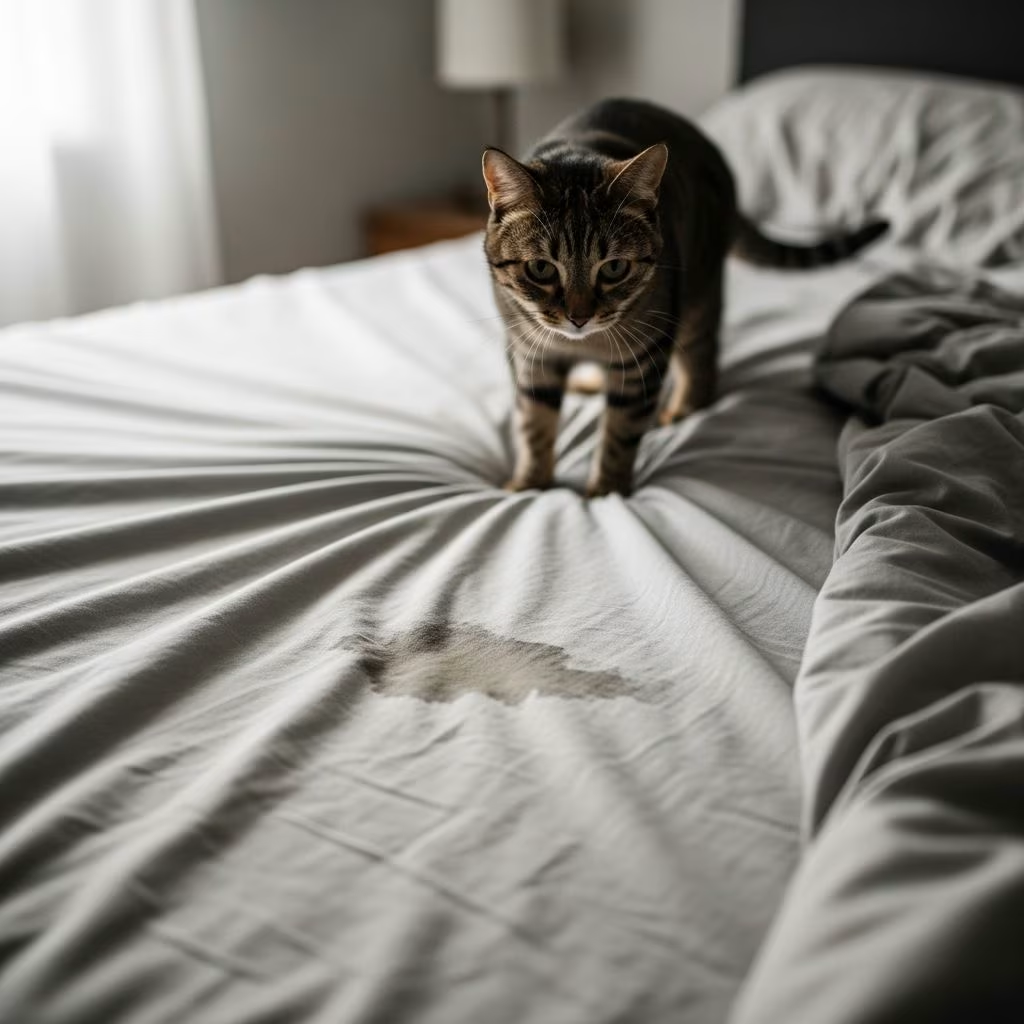
Why Is My Cat Peeing on the Bed? Understanding the Root Causes
Discovering that your cat has peed on your bed is frustrating and unpleasant, but it’s important to understand that this behavior is often a sign that something is wrong. Rather than a sign of misbehavior or spite, inappropriate urination typically indicates either a medical condition or an environmental stressor that your feline companion is struggling to cope with. Understanding the underlying causes is the first step toward resolving this issue and restoring harmony to your household.
Cats are naturally clean animals and prefer to use their litter boxes for bathroom needs. When they deviate from this behavior, it’s their way of communicating that something needs attention. By identifying the root cause, you can take targeted steps to address the problem and prevent future incidents.
Medical Causes of Inappropriate Urination
Before addressing behavioral factors, it’s crucial to rule out medical issues, as many health conditions can cause cats to urinate outside their litter box. A veterinary examination should be your first step if your cat suddenly begins peeing on the bed.
Urinary Tract Infections (UTI)
Urinary tract infections are among the most common medical causes of inappropriate urination in cats. When bacteria infect the urinary system, they cause inflammation and discomfort, making the urination process painful and urgent. Cats experiencing a UTI may not make it to the litter box in time, or they may associate the litter box with the pain they experience there, leading them to seek alternative locations like your bed. This condition is more common in older cats and requires prompt veterinary treatment with antibiotics.
Urinary Stones and Crystals
Stones and crystals in the urinary tract irritate the lining of the bladder and create frequent, urgent urges to urinate. When cats feel this urgent need to urinate, they may not have time to reach their litter box, resulting in accidents on soft surfaces like beds. Additionally, cats may begin to associate their litter box with the discomfort caused by these stones, causing them to avoid it entirely. Veterinary evaluation and treatment may involve dietary changes, medications, or in severe cases, surgical intervention.
Metabolic Diseases
Kidney disease, thyroid problems, and diabetes can all contribute to inappropriate urination. These metabolic conditions often increase thirst and urination frequency, overwhelming a cat’s ability to control their bladder. If your cat is urinating more frequently than usual, drinking excessive water, or showing other signs of illness, consult your veterinarian immediately for blood and urine tests.
Bladder Issues
Bladder stones or inflammation can cause similar symptoms to urinary tract infections, creating pain and urgency during urination. These conditions require professional veterinary diagnosis through imaging and laboratory tests to determine the appropriate treatment approach.
Behavioral and Environmental Causes
If your veterinarian has ruled out medical conditions, behavioral and environmental factors are likely responsible for your cat’s bed-peeing behavior. Understanding these triggers is essential for implementing effective solutions.
Stress and Anxiety
Cats are creatures of comfort and routine. When their environment changes suddenly, they can become stressed and anxious, leading to inappropriate urination. Common stressors include moving to a new home, changes in your schedule, loud noises, or the loss or addition of a family member. When stressed, cats may choose to pee on horizontal surfaces like beds because the smell of their urine’s pheromones is comforting and helps them feel secure in their environment. Understanding that this behavior is a coping mechanism rather than punishment is crucial for responding appropriately.
Jealousy and Territory Marking
Jealousy over other cats—or even other people—being added to the household can trigger territorial marking behavior. When your cat feels threatened by a new pet or family member, they may urinate on the bedding, clothing, or belongings of their chosen human to reclaim what they perceive as theirs. This behavior is particularly common when cats feel that their special relationship with you is being threatened or diminished. While some may debate whether this constitutes “revenge,” it’s clear that the cat is expressing insecurity and attempting to reassert control over their environment.
Litter Box Unhappiness
Cats are particular about their toilet facilities, and dissatisfaction with the litter box itself or its location can drive them to seek alternative bathrooms. Several factors can cause litter box unhappiness:
- The litter box is too dirty or not cleaned frequently enough
- The box is placed in a high-traffic area where your cat doesn’t feel safe
- There aren’t enough boxes in your home (the general rule is one per cat, plus one extra)
- You’ve changed the type of litter to a brand your cat dislikes
- The box is too small or has covers that make your cat feel confined
- The box has sides that are too high for older or arthritic cats
How to Stop Your Cat From Peeing on the Bed
Addressing this behavior requires a multi-faceted approach that tackles both the immediate problem and the underlying cause.
See Your Veterinarian
Your first step should always be scheduling a veterinary appointment. Your vet can perform a physical examination and run diagnostic tests, including urinalysis and blood work, to rule out medical conditions. This is essential because treating a behavioral issue won’t resolve an underlying medical problem. Once medical causes have been excluded, you can confidently pursue behavioral and environmental solutions.
Improve Litter Box Conditions
Make sure you have enough litter boxes distributed throughout your home, especially on every level if you have multiple stories. Ensure boxes are placed in quiet, low-traffic areas where your cat can feel safe and secure while using them. Clean the boxes daily, removing waste and refreshing the litter regularly. Cats are naturally clean animals and will avoid filthy boxes.
Experiment with different types of litter to find what your cat prefers. Some cats favor clay litter, while others prefer wood, corn, or pellet-based options. Remove any covers from litter boxes if your cat seems hesitant to use them, as some cats feel trapped with covers on. Consider upgrading to larger boxes to give your cat more comfortable bathroom space. For older or arthritic cats, provide boxes with lower sides to make entry and exit easier.
Find and Eliminate Stressors
Identify potential sources of stress in your cat’s environment. Is there excessive noise from construction, traffic, or a neighbor’s dog? Have you changed your work schedule or spent less time at home? Have you added a new pet or family member? Once you’ve identified the stressor, work to minimize or eliminate it. If a new pet is the issue, manage introductions gradually and provide separate resources. If schedule changes are the problem, try to maintain consistency where possible or use additional enrichment to occupy your cat while you’re away.
Make the Bed an Unattractive Bathroom
While you address the underlying cause, make your bed an unpleasant place to urinate. Close the bedroom door to restrict access when possible. If your cat has already urinated on the bed, use an enzyme-based cleaner specifically designed for pet messes to thoroughly remove all traces of urine and odor. Regular household cleaners won’t eliminate the scent, and your cat will continue to be attracted to the same spot. Place water bowls or your cat’s favorite food near the bed or other areas where inappropriate urination has occurred, as cats naturally avoid urinating near their food sources.
Use Motion-Activated Deterrents
Sound-producing scat mats or motion-triggered air spray repellents can make the bed or other no-pee zones uncomfortable for your cat without causing harm. These devices startle your cat when they approach, quickly teaching them to avoid the area.
Implement Calming Strategies
If your cat appears high-strung or anxious, calming aids can help reduce stress-related urination. Feliway diffusers release synthetic pheromones that mimic natural calming scents produced by cats, helping reduce anxiety. Calming treats or supplements containing ingredients like L-theanine or melatonin can also help anxious cats feel more relaxed. Consult your veterinarian about which calming products are appropriate for your cat’s specific situation.
Provide Environmental Enrichment
A stimulating environment can reduce stress and prevent behavioral problems. Provide your cat with opportunities for play through interactive toys, climbing structures, and scratching posts. Ensure your cat has comfortable resting spots and windows where they can observe outdoor activity. Regular playtime and mental stimulation can significantly reduce anxiety-related behaviors.
Consider Behavioral Training
Sometimes retraining your cat to use the litter box consistently helps resolve the issue. This might involve temporarily restricting access to the bed and other areas where inappropriate urination has occurred, then gradually reintroducing these spaces once your cat demonstrates consistent litter box use. Positive reinforcement through treats and praise when your cat uses the box correctly can strengthen the desired behavior.
When to Consult a Professional
If the problem persists despite your efforts and veterinary care has ruled out medical issues, consider consulting a feline behaviorist or animal behavior specialist. These professionals can provide specialized insights into your cat’s specific situation and recommend tailored treatment plans. They may suggest additional strategies or, in some cases, recommend prescription anxiety medications if behavioral issues are severe.
Frequently Asked Questions
Q: How long does it take to stop a cat from peeing on the bed?
A: The timeline depends on the underlying cause and how quickly you address it. Medical issues may resolve with treatment within days to weeks. Behavioral changes typically take several weeks to months of consistent effort, as cats need time to feel secure and change ingrained habits.
Q: Should I punish my cat for peeing on the bed?
A: No. Punishment is counterproductive and will increase your cat’s stress and anxiety, making the problem worse. Instead, focus on identifying the cause and implementing positive solutions. Cats don’t urinate on beds out of spite or to punish you; they’re communicating that something is wrong.
Q: Can I use regular household cleaners to clean urine from my bed?
A: Regular cleaners won’t eliminate the urine odor completely. Use an enzyme-based cleaner specifically designed for pet urine to break down the uric acid and remove all traces of the smell. Without proper enzymatic cleaning, your cat may continue to use the same spot.
Q: Is it normal for cats to pee on beds?
A: While it’s a common problem, it’s not normal behavior for a healthy, content cat. Inappropriate urination typically indicates a medical issue, stress, anxiety, or litter box dissatisfaction that requires attention and intervention.
Q: How many litter boxes should I have?
A: The general rule is one litter box per cat, plus one extra. So if you have two cats, you should have three boxes. This ensures that each cat has access to a clean, available box and reduces territorial conflicts.
Q: What if my cat pees on my bed after I clean it with enzyme cleaner?
A: This suggests the underlying cause (medical, behavioral, or environmental) hasn’t been addressed. Return to your veterinarian to ensure no medical condition was missed, and review potential stressors or litter box issues. You may need to restrict access to the bed while working on the root cause.
Conclusion
Cat urine on your bed is a frustrating problem, but with patience and a systematic approach, it can be resolved. Start by scheduling a veterinary appointment to rule out medical causes, then methodically address potential behavioral and environmental factors. Improve litter box conditions, identify and reduce stressors, make the bed unattractive as a bathroom, and implement calming strategies as needed. Remember that your cat isn’t being spiteful—they’re communicating that something in their world needs to change. By responding with understanding and targeted interventions, you can help your feline companion feel secure and content once again, eliminating this unwanted behavior and restoring peace to your home.
References
- Why Is My Cat Peeing on the Bed? Causes & Solutions — Chewy. 2024. https://www.chewy.com/education/cat/health-and-wellness/why-is-my-cat-peeing-on-bed
- 10 Reasons Why Your Cat Is Peeing on the Bed and How To Stop It — PetMD. 2024. https://www.petmd.com/cat/behavior/cat-peeing-on-the-bed
- Why Your Cat Pees on Your Bed — Whitney Veterinary Hospital. 2024. https://whitneyvet.com/cat-pees-on-bed/
- Why Is My Cat Peeing on My Bed? (And How to Stop It) — Pet Parents Brand. 2024. https://petparentsbrand.com/blogs/pet-parenting/why-is-my-cat-peeing-on-my-bed-and-how-to-stop-it
- Why Is My Cat Peeing On My Bed? — Dutch. 2024. https://www.dutch.com/blogs/cats/cat-peeing-on-bed



