

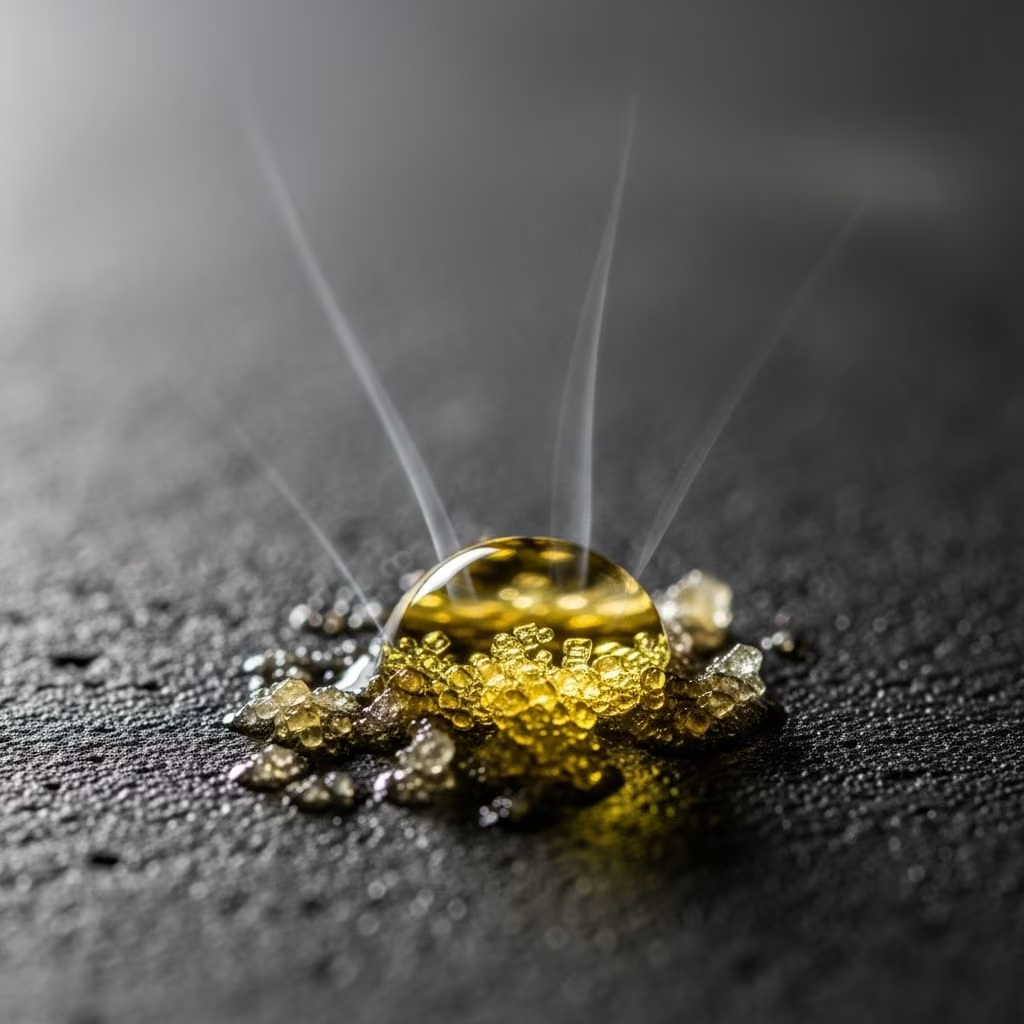
Cat urine has a notoriously pungent odor that can linger in homes, making it one of the most challenging pet smells to eliminate. This sharp, ammonia-like scent stems from the unique chemical composition of cat pee, which includes high concentrations of urea and uric acid. When bacteria break down these compounds, they release ammonia gas, intensifying the smell over time. Unlike dog urine, cat urine is more concentrated due to cats’ efficient kidneys, which produce less water in their waste, resulting in a stronger aroma that clings to surfaces like carpets, fabrics, and hardwood floors.
Understanding the science behind this odor is crucial for effective management. Uric acid crystals can recrystallize with humidity, reactivating the smell even after initial cleaning. Factors like diet, hydration, age, sex, and health conditions further amplify the pungency. Male cats often produce stronger-smelling urine due to steroids, while older cats may have less efficient kidneys, leading to more concentrated waste. This article breaks down the causes, cleaning solutions, prevention strategies, and when to seek veterinary advice to keep your home odor-free.
Why Does Cat Pee Smell So Strong?
The potency of cat urine odor boils down to its biology and chemistry. Normal cat urine is about 95% water, but the remaining 5% contains potent waste products from protein metabolism: urea, uric acid, creatinine, and ammonia precursors. Bacteria naturally decompose urea into ammonia, creating that familiar sharp scent. Urochrome, the pigment giving urine its yellow color, also contributes to the intensity.
In enclosed indoor environments, these volatile compounds build up quickly, especially in litter boxes or on absorbent surfaces. If not addressed promptly, the decomposition process advances: first releasing ammonia, then mercaptans—sulfur-like compounds akin to skunk spray—making the smell even more offensive.
Chemical Breakdown of Cat Urine
- Urea: Primary nitrogenous waste; bacteria convert it to ammonia, the initial strong odor source.
- Uric Acid: Forms indestructible crystals that bind to surfaces and reactivate smells with moisture.
- Ammonia: Released during breakdown; signals cats to re-mark areas if cleaners mimic it.
- Mercaptans: Secondary decomposition products for persistent, skunk-like smells.
Factors That Make Cat Pee Smell Worse
Several variables exacerbate the odor beyond normal composition:
- Dehydration: Leads to darker, more concentrated urine with intensified smells.
- Diet: High-protein foods increase urea production.
- Age: Older cats’ kidneys are less efficient, concentrating waste.
- Sex: Intact males have stronger odors from steroids; spraying adds pheromones.
- Health Issues: Infections or crystals boost ammonia levels.
How to Get Rid of Cat Pee Smell: Step-by-Step Guide
Effective removal requires targeting uric acid crystals, not just masking odors. Avoid ammonia-based cleaners, as they mimic urine and encourage re-marking. Act fast: fresh urine is easier to eliminate before crystals form.
- Locate the Source: Use blacklights to reveal fluorescent urine stains on hidden spots.
- Absorb Excess: Blot with paper towels or cloths; discard or wash immediately to prevent spreading.
- Apply Enzymatic Cleaner: Saturate with products like Nature’s Miracle; enzymes hydrolyze urea into evaporating gases (CO2 and ammonia). Let sit 10-15 minutes or longer; repeat for old stains.
- Vinegar and Baking Soda for Fabrics/Carpets: Spray 1:1 vinegar-water mix, blot, sprinkle baking soda, let sit hours, vacuum.
- Deep Clean: Use carpet steamers with enzymatic solutions; wash fabrics with vinegar or enzyme detergent in cold water.
- Improve Airflow: Fans, open windows, activated charcoal purifiers.
- Prevent Access: Cover treated areas temporarily.
Best Cleaning Products Comparison
| Method | Best For | Pros | Cons |
|---|---|---|---|
| Enzymatic Cleaners (e.g., Nature’s Miracle) | All surfaces, old/new stains | Breaks down proteins/crystals; most effective | Short shelf life for enzymes |
| Vinegar + Baking Soda | Fabrics, light odors | Cheap, natural; neutralizes salts | Not for deep crystals; temporary |
| Steam Cleaning | Carpets | Deep extraction | Requires rental; use cold water |
Note: Always use cold water—hot sets proteins into fabrics.
Why Is My Cat Peeing Outside the Litter Box?
Odor issues often signal behavioral or medical problems. Cats won’t soil clean boxes, so accidents indicate underlying issues.
Medical Causes
- Urinary Tract Infections (UTIs): Burning sensation prompts inappropriate urination; strong ammonia smell.
- Bladder Stones/Crystals: Painful; blood-tinged, foul urine.
- Diabetes/Kidney Disease: Increased urination volume and odor.
- Age-Related: Arthritis hinders box access.
Consult a vet if symptoms like straining, frequent small voids, or blood appear.
Behavioral Reasons
- Dirty Litter Box: Scoop daily; deep clean weekly.
- Litter Aversion: Wrong type, box size, or location.
- Stress: New pets, moves; use pheromone diffusers.
- Territorial Marking: Especially unneutered males.
Preventing Cat Pee Smell in the Future
Proactive steps minimize odors:
- Litter Box Maintenance: Scoop daily, full change monthly; use odor-control litters.
- Hydration Boost: Wet food, fountains dilute urine.
- Multiple Boxes: One per cat + one extra; varied litters.
- Spay/Neuter: Reduces marking.
- Regular Vet Checks: Catch issues early.
When to See a Vet for Cat Pee Smell
Persistent strong odors despite cleaning warrant professional evaluation. Sudden changes in smell, color, or frequency signal UTIs, crystals, or systemic diseases. Males may have blockages—emergencies. Vets use urinalysis to diagnose; treatments include antibiotics or diet changes.
Frequently Asked Questions (FAQs)
Why does cat pee smell worse than dog pee?
Cat urine is more concentrated with higher uric acid levels due to efficient feline kidneys.
Can I use bleach on cat urine?
No—bleach releases fumes mimicking ammonia, worsening re-marking.
How long does cat pee smell last if untreated?
Uric acid crystals persist years, reactivating with moisture.
Is strong litter box smell always a health issue?
Often poor hygiene, but check for infections if sudden.
Do automatic litter boxes reduce smells?
Yes, frequent sifting prevents buildup.
References
- How to Get Rid of Cat Urine Smell – 7 Easy Steps — Litter-Robot. 2023-10-15. https://www.litter-robot.com/blog/why-does-my-whole-house-smell-like-cat-urine/
- Why Does Cat Urine Smell So Strong, and How Can You Manage It? — PetSnowy. 2024-05-20. https://petsnowy.com/blogs/press-updates/why-does-cat-urine-smell-so-strong-and-how-can-you-manage-it
- Why does cat urine smell so bad and what can I do about it? — McGill University Office for Science and Society. 2022-08-10. https://www.mcgill.ca/oss/article/you-asked/why-does-cat-urine-smell-so-bad-and-what-can-i-do-about-it
- How To Get Rid Of A Cat Urine Smell: 6 Tips — Feliway US. 2023-11-05. https://us.feliway.com/blogs/news/how-to-get-rid-of-a-cat-urine-smell-6-tips
- How To Get rid of Cat Pee Smell — PetMD. 2024-02-12. https://www.petmd.com/cat/general-health/how-to-get-rid-of-cat-pee-smell
- How to Get Rid of Cat Pee Smell — Taste of the Wild Pet Food. 2023-07-18. https://www.tasteofthewildpetfood.com/articles/training-and-behavior/how-to-get-rid-of-cat-pee-smell/
- How To Get Rid of Cat Pee Smell From Carpet, Clothes and More — Chewy. 2024-01-22. https://www.chewy.com/education/cat/pet-parenting/how-to-get-rid-of-cat-pee-smell



