

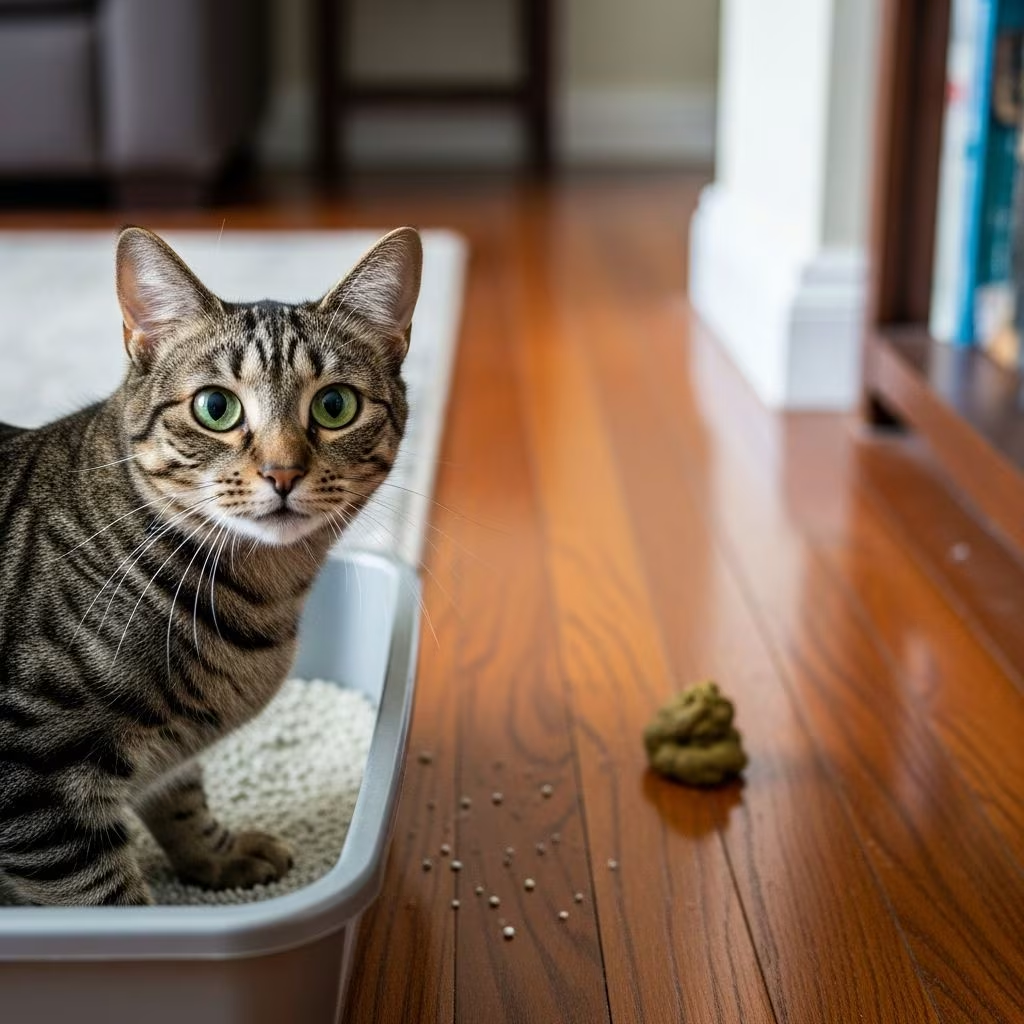
Your cat meticulously uses the litter box for urination but chooses the floor for defecation. This frustrating behavior affects many cat owners, signaling potential medical, environmental, or stress-related issues. Understanding the root causes enables targeted solutions to restore proper litter box use.
House soiling remains one of the top reasons cats enter shelters, yet most cases resolve with systematic troubleshooting. This guide covers all possible reasons and step-by-step fixes, drawing from veterinary expertise.
Medical Reasons Your Cat Poops Outside the Litter Box
Rule out health problems first, as pain or discomfort during defecation prompts cats to avoid the litter box for pooping while still tolerating urination. Conditions like constipation, diarrhea, or inflammatory bowel disease make box entry painful.
- Constipation: Hard stools cause straining; cats associate pain with the box.
- Anal Gland Issues: Impacted glands create discomfort during defecation.
- Urinary Tract Infections (UTIs): Though primarily affecting urination, secondary gut issues arise.
- Parasites or Infections: Giardia or worms alter stool consistency, deterring box use.
- Arthritis: Older cats struggle entering high-sided boxes.
Schedule a vet exam immediately, including fecal analysis and bloodwork. Early treatment prevents chronic issues.
Litter Box Aversion for Pooping
Cats may selectively reject the litter box for defecation due to substrate preferences or past negative experiences. While urine passes quickly, defecation requires longer squatting, amplifying aversions.
- Litter Type Mismatch: Scoopable litters feel unpleasant for pooping; try larger granules.
- Box Size: Insufficient space for comfortable positioning; opt for boxes 1.5x cat’s length.
- Cleanliness: Daily scooping essential; cats avoid soiled boxes for defecation more than urination.
- Location: High-traffic areas cause anxiety during extended pooping sessions.
Test multiple litter types side-by-side. Place one box near soiling spots temporarily.
Territorial Marking vs. Elimination
Small fecal deposits outside the box indicate marking, not full elimination. Intact cats or stressed felines deposit stools to signal territory.
- Spray Marking: Vertical urine sprays accompany floor poops in multi-cat homes.
- Stress Triggers: New pets, moves, or visitors prompt marking.
Spay/neuter reduces marking by 90%. Pheromone diffusers calm territorial instincts.
Stress and Anxiety Causes
Cats under stress from environmental changes eliminate outside the box. Pooping requires vulnerability, so anxious cats seek safe spots.
- Household Changes: Renovations, new babies, or schedules disrupt routines.
- Multi-Cat Tension: Bullying prevents box access during defecation times.
- Boredom: Understimulation heightens anxiety.
Implement Feliway diffusers and create vertical spaces. Behavior modification includes desensitization.
| Stress Sign | Solution |
|---|---|
| Hiding more | Quiet retreat areas |
| Overgrooming | Puzzle feeders |
| Vocalizing | Scheduled play |
Environmental Factors Influencing Pooping Habits
Litter box setup profoundly impacts defecation preferences. Cats prefer quiet, accessible locations.
- Box Count: Rule of thumb: one box per cat plus one extra.
- Entry Design: Low-sided for seniors; hooded for privacy.
- Surface Appeal: Make soiled floors unappealing with sticky mats.
Provide varied box types across rooms. Positive reinforcement rewards box use.
Multi-Cat Household Challenges
In homes with multiple cats, competition creates selective avoidance. Dominant cats guard boxes during peak times.
- Resource Guarding: Subordinates poop nearby to avoid confrontation.
- Scent Overlap: Shared boxes cause aversion.
Distribute boxes evenly. Vertical territory reduces tension.
Solutions: Step-by-Step Troubleshooting Guide
Follow this veterinary-recommended protocol:
- Vet Visit: Comprehensive exam rules out medical causes.
- Clean Thoroughly: Enzymatic cleaners eliminate odors attracting repeat soiling.
- Optimize Boxes: Experiment with litters, sizes, locations.
- Block Access: Confine to small area with box until retrained.
- Reduce Stress: Pheromones, play therapy.
- Monitor Progress: Track for 2-4 weeks.
Confinement speeds retraining: cat + box + food/water in bathroom for 24-48 hours, then expand.
Preventing Future Litter Box Problems
Proactive management keeps habits solid.
- Weekly litter rotation tests preferences.
- Daily play wears out stress.
- Regular vet checkups catch issues early.
Frequently Asked Questions (FAQs)
Why does my cat only poop on carpet?
Carpets mimic soft soil; make surfaces sticky or rough. Address substrate aversion.
Will my cat outgrow pooping outside the box?
Unlikely without intervention; patterns entrench quickly. Act promptly.
Is it okay to punish my cat for floor pooping?
Never; punishment increases fear and worsens avoidance.
How many litter boxes do I need for 2 cats?
Three boxes in separate locations prevent competition.
Can diet cause litter box avoidance?
Yes; high-fiber diets firm stools, easing defecation. Consult vet.
References
- Recognizing and Correcting Cat Behavior Issues — Love Vet. 2023. https://love.vet/cat-behavior-recognizing-and-correcting-cat-behavior-issues/
- Cat Behavior Problems – House Soiling — VCA Animal Hospitals. 2024-01-15. https://vcahospitals.com/know-your-pet/cat-behavior-problems-house-soiling
- 5 Cat Behavior Problems and How to Solve Them — ASPCA Pet Insurance. 2023-05-10. https://www.aspcapetinsurance.com/resources/5-cat-behavior-problems-and-how-to-solve-them/
- Behavior Problems in Cats — Merck Veterinary Manual. 2025-03-20. https://www.merckvetmanual.com/cat-owners/behavior-of-cats/behavior-problems-in-cats
- 9 Common Cat Behavior Problems (and How to Fix Them) — PetMD. 2024-07-12. https://www.petmd.com/cat/slideshows/9-common-cat-behavior-problems-and-how-fix-them
- Feline Behavior Problems: Aggression — Cornell University College of Veterinary Medicine. 2023-11-05. https://www.vet.cornell.edu/departments-centers-and-institutes/cornell-feline-health-center/health-information/feline-health-topics/feline-behavior-problems-aggression



