

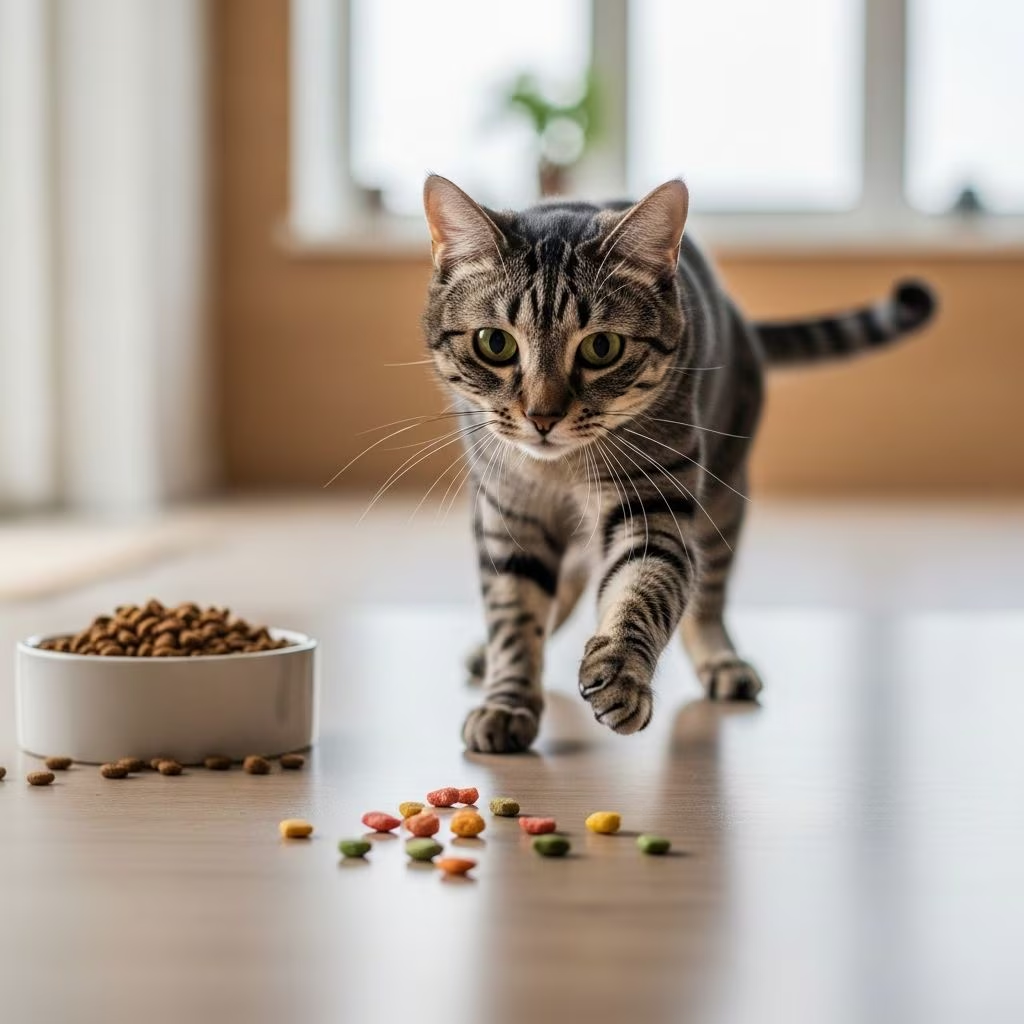
Why Is My Cat Only Eating Treats and Not Their Food?
If your cat used to be an enthusiastic eater but now ignores their full bowl while constantly meowing for treats, you’re not alone in this frustrating situation. Your feline companion may simply be acting like a child who only wants junk food for every meal, but this behavioral change can also signal underlying stress or health issues that demand attention. Treats are no substitute for a proper, balanced feline diet, making it crucial to understand the reasons behind this shift in eating habits.
The 4 Main Reasons Your Cat Is Only Eating Treats
1. You’ve Been Spoiling Your Cat With Treats
One of the most common reasons cats develop a preference for treats over regular food is simple: overindulgence. If you frequently hand out treats regardless of your cat’s behavior, your kitty will quickly learn that these special snacks are readily available and far more delicious than kibble. Cat treats are specifically formulated to be highly palatable, making them far more appealing than standard cat food.
The problem intensifies when you give in to those pleading eyes and meowing requests. By rewarding your cat with treats when they hold out on eating their regular food, you inadvertently reinforce the wrong behavior. Your cat learns that refusing their meal is the most effective way to get what they really want. This creates a self-perpetuating cycle where your cat becomes increasingly selective about their diet.
To break this pattern, pet owners must establish consistent boundaries around treat distribution and resist the temptation to overindulge. A structured feeding routine where treats are given only at specific times, not as rewards for picky eating, can help reset your cat’s expectations.
2. There’s Something Wrong With Their Cat Food
Cats possess sensory capabilities far superior to humans, allowing them to detect even the slightest changes in texture, flavor, or smell. What appears perfectly normal to you might actually taste or smell off to your cat, causing them to reject their regular food entirely.
Several factors could be responsible for this change in food quality:
- The manufacturer may have changed the recipe or formula
- Moisture levels may differ due to a new production method
- You may have received a bad or stale batch
- Storage conditions may have affected the food’s freshness
- Exposure to air or humidity could alter the food’s properties
When faced with food that seems questionable, cats won’t take the risk of consuming something that smells or tastes strange. Rather than eating suspicious food, they’ll hold out for treats or go hungry. This isn’t picky eating—it’s your cat’s way of protecting themselves from potential harm. If you recently switched brands or your cat suddenly refuses their usual food, consider obtaining a fresh bag from a different lot or trying a different formula altogether.
3. Your Cat Is Stressed
Cats are creatures of habit that thrive on routine and predictability. If your cat has never been a picky eater but suddenly changes their appetite, stress or anxiety may be the culprit. Big changes at home—even minor ones—can throw cats off balance and trigger anxiety-related appetite loss.
Common stressors that impact eating behavior include:
- Introduction of a new pet or housemate to the household
- Changes in daily routine or feeding schedule
- Moving to a new home or rearranging furniture
- Relocation of litter box or food bowl placement
- Separation anxiety or increased loneliness
- Negative associations with food or feeding areas
Stressed-out cats may lose interest in regular meals but still eat treats because these special snacks feel less threatening and more rewarding. The treats serve as emotional comfort rather than mere sustenance. Creating a calm, secure feeding environment is essential for helping stressed cats return to normal eating patterns. This includes maintaining consistent routines, providing hiding spaces, and spending quality time with your feline companion.
4. Health Issues
Perhaps the most serious reason your cat may refuse regular food while eating treats is an underlying health problem. Various medical conditions can affect your cat’s appetite and eating habits, requiring immediate veterinary attention.
Dental Problems: Cats with dental disease, including tooth decay, gum disease, gingivitis, or broken teeth, may struggle to eat dry cat food. Dental pain makes chewing uncomfortable, prompting cats to seek softer, easier-to-consume treats instead. Regular dental check-ups and prompt treatment are essential for maintaining your cat’s comfort during meals.
Gastrointestinal Issues: Conditions such as inflammatory bowel disease, digestive disorders, and other gastrointestinal problems can cause discomfort and reluctance to eat regular meals. These conditions may cause nausea, stomach discomfort, or difficulty digesting standard cat food, but treats may feel less threatening to an upset digestive system.
Serious Medical Conditions: More severe conditions including kidney disease, pancreatic inflammation, infections, cancer, and intestinal blockages can all present initially as appetite loss. Cats experiencing pain from these conditions may still eat treats because they’re easier to consume or more appealing, but refusing regular food is a red flag requiring immediate veterinary evaluation.
Critical Warning: Prolonged fasting in cats can lead to hepatic lipidosis, a life-threatening condition that develops rapidly, especially in overweight cats. If your cat hasn’t eaten substantial meals in more than 24 hours, seek veterinary care immediately.
Solutions and Management Strategies
Establishing a Consistent Feeding Routine
One of the most effective ways to address treat-only eating is implementing a structured feeding schedule. Set specific times for meals and treats, removing food after 20-30 minutes if uneaten. This approach helps reset your cat’s expectations and makes them more likely to eat regular food when it’s available.
Food Variety and Experimentation
To combat picky eating due to taste preferences, experiment with various cat food options, introducing different textures and flavors. Gradually transitioning between food options allows cats to adjust and may contribute to a more diverse and satisfying diet. You might try:
- Different protein sources (chicken, fish, beef, turkey)
- Various food textures (wet, dry, semi-moist)
- Temperature variations (room temperature vs. slightly warmed)
- Mixing wet and dry food together
Limiting Treats Strategically
While treats can be part of a healthy cat diet, they shouldn’t distract your cat from eating balanced meals. Reduce treat quantity and frequency, reserving them for training, enrichment, or special occasions rather than as responses to begging. This reestablishment of boundaries helps your cat understand that regular food is the primary source of nutrition.
Creating a Calm Feeding Environment
If stress is the underlying cause, create a quiet, secure feeding area away from household chaos. Ensure your cat feels safe during mealtime and has access to hiding spaces if needed. Spend quality time with your cat outside of feeding to reduce separation anxiety and build confidence.
When to Seek Veterinary Care
While behavioral and dietary adjustments can address many cases of treat-only eating, veterinary consultation is essential when:
- Your cat hasn’t eaten substantial meals in more than 24 hours
- The behavior change is sudden and unexplained
- Your cat shows signs of illness including fever, lethargy, vomiting, or runny nose
- You notice weight loss or changes in grooming habits
- Your cat shows pain when chewing or swallowing
- The behavior persists despite your intervention attempts
A thorough veterinary examination can identify dental problems, gastrointestinal issues, infections, and other health conditions that may be driving your cat’s eating behavior. Professional guidance ensures tailored solutions for your cat’s unique needs.
Understanding Your Cat’s Behavior
Addressing why your cat is avoiding regular meals while embracing treats involves detective work, compassion, and understanding feline psychology. Consider all potential factors—health, stress, preferences, and environment—to create a comprehensive solution. Remember that cats are individuals with unique personalities and preferences, and what works for one cat may not work for another.
The key to success is patience and consistency. Don’t expect immediate changes; behavioral modification takes time. Celebrate small improvements and maintain your commitment to the new feeding routine. Your cat will eventually understand that regular food is non-negotiable while treats remain special rewards.
Frequently Asked Questions
Q: Why is my cat eating treats but not food?
A: Your cat might be favoring treats over regular food due to dental issues, stress, taste preferences, or health problems. Addressing these factors while maintaining a consistent feeding routine can encourage healthier eating balance. In some cases, you may have inadvertently reinforced picky eating by offering treats when your cat refuses meals.
Q: My cat seems stressed lately. Could this be affecting its eating habits?
A: Absolutely. Changes in the household, separation anxiety, or loneliness can lead to stress, which directly impacts a cat’s appetite. Creating a calm and secure feeding area, spending quality time with your cat, and addressing environmental stressors can help alleviate stress-related appetite loss.
Q: How can I tell if my cat’s eating behavior is due to a health problem?
A: Look for signs such as weight loss, changes in grooming habits, vomiting, or any indication of pain while eating. If your cat shows difficulty chewing, excessive drooling, or bad breath, dental disease may be present. Regular veterinary check-ups help identify and address underlying health issues affecting your cat’s appetite.
Q: Are treats dangerous for my cat’s diet?
A: Treats are not essential for your cat’s diet and aren’t complete or balanced nutritionally. If treats are distracting your cat from eating balanced meals, they should be limited or eliminated temporarily. Once your cat returns to eating regular food consistently, treats can be reintroduced in moderation as occasional rewards rather than primary foods.
Q: How long can a cat go without eating before it becomes dangerous?
A: Cats should not go without substantial food for more than 24 hours. Prolonged fasting can cause hepatic lipidosis, a life-threatening condition that develops rapidly. If your cat hasn’t eaten properly for 24 hours or more, seek veterinary care immediately.
Q: What should I do if changing food doesn’t help?
A: If your cat continues eating only treats despite food changes and environmental adjustments, professional veterinary consultation is necessary. Your vet can perform a thorough examination to rule out health issues and provide personalized guidance for your cat’s specific situation.
Conclusion
Yummy as they are, treats are not essential for your cat’s diet. If they’re distracting your cat from eating balanced meals, limiting them becomes imperative. Get your feline into a feeding routine and ensure they are comfortable in their environment. Rotating food flavors and adding excitement to mealtime can also entice your cat to eat.
Most importantly, get your cat checked out by a vet if they are not eating their normal food to rule out any health issues needing attention. Be patient with your kitty and yourself, and remember that restoring healthy eating habits is achievable with persistence and the right approach. Your cat’s long-term health depends on balanced nutrition, making this effort well worth the time and dedication.
References
- Why Is My Cat Not Eating Food but Will Eat Treats? — Basepaws. Accessed January 14, 2026. https://basepaws.com/blog/your-cat-eats-treats-but-not-food-what-to-do
- Why Is My Cat Only Eating Treats and Not Their Food? 4 Reasons — Catster. Accessed January 14, 2026. https://www.catster.com/nutrition/why-is-cat-only-eating-treats/
- Has your cat suddenly stopped eating its regular food? — Cats Love. Accessed January 14, 2026. https://www.catslove.com/en/cat-not-eating
- Cat Not Eating? Urgent Signs and When to Seek Care — Golden State Veterinary Society. Accessed January 14, 2026. https://gsvs.org/blog/cat-not-eating-emergency/
- My Cat’s Not Eating Much but is Acting Normal, What’s Going On? — Veg. Accessed January 14, 2026. https://www.veg.com/post/my-cats-not-eating-much-but-is-acting-normal-whats-going-on



