

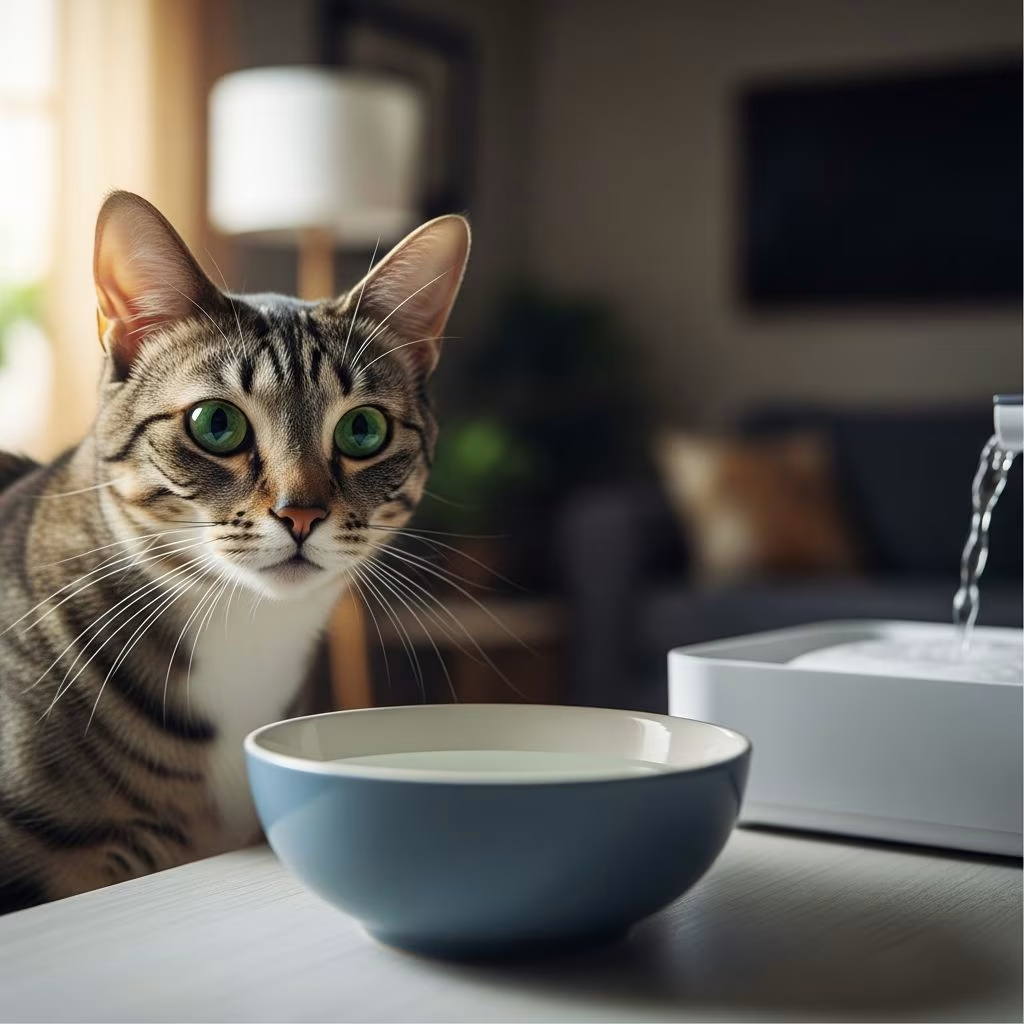
Noticing that your feline companion isn’t drinking enough water can be concerning for any cat owner. Water is essential for your cat’s overall health, yet many cats naturally drink less than they should. Understanding the reasons behind this behavior—whether behavioral, environmental, or health-related—is the first step toward ensuring your cat stays properly hydrated. This comprehensive guide explores the common causes of reduced water intake in cats and provides practical solutions to encourage healthy drinking habits.
Understanding Your Cat’s Water Needs
Cats have different hydration requirements compared to other pets, and understanding these needs is crucial. Since cats require less water than dogs, they may already be appropriately hydrated even if they appear not to drink much. However, this doesn’t mean you should ignore signs of decreased water intake. Cats are naturally less inclined to drink standing water, which is a behavioral trait inherited from their wild ancestors who preferred fresh, running water sources.
The amount of water your cat needs depends on several factors, including their diet, activity level, age, and overall health status. Cats eating primarily dry kibble require more water intake than those consuming wet food, as dry kibble contains only about 10% water, while canned diets may contain up to 70% water.
Health Conditions That Affect Water Intake
Several underlying health conditions can cause cats to drink less water. Recognizing these potential medical issues is vital, as they often require veterinary intervention.
Kidney Disease and Chronic Conditions
Cats with underlying health issues such as kidney disease, cancer, diabetes, or hyperthyroidism are more likely to become dehydrated and need to be monitored closely if they start drinking less water. These conditions can significantly impact your cat’s drinking behavior and overall health. Kidney disease, diabetes, and hyperthyroidism are common illnesses that can affect a cat’s drinking habits.
Dental Disease
Your cat may have dental disease. Tooth or mouth pain may cause your cat to stop drinking due to discomfort. Dental disease which is common in domesticated cats, can also cause oral pain which may deter your cat from drinking. Other signs of dental disease include decreased appetite, dropping food when eating, pawing at the face or mouth, facial swelling, and drooling.
Gastrointestinal Issues
Your cat may have a condition that causes gastrointestinal upset. Gastroenteritis, pancreatitis, inflammatory bowel diseases, cancers, and other diseases may cause your feline friend to decrease or stop water intake.
Environmental and Behavioral Factors
Beyond health issues, numerous environmental and behavioral factors can discourage cats from drinking water. These factors are often simple to address once identified.
Water Bowl Location and Placement
One of the most overlooked factors in water consumption is the location of the water bowl. Ensure that your cat’s water bowl is not near their litter box. If it is, move it to a better spot in the room or a different room altogether. Cats are naturally clean animals and instinctively avoid drinking near their bathroom facilities.
Keep water bowls in quiet, calm areas away from loud noises and other animals so that your cat feels safe. This may mean changing the location of the water bowl. Experiment with different locations around your home to identify where your cat feels most comfortable drinking.
Water Freshness and Bowl Cleanliness
The water bowl isn’t clean enough. Cats pride themselves on cleanliness, so it is important to keep water bowls clean and filled with fresh water. Dust, fur, or bacteria in the bowl may cause your cat to avoid drinking from it. Provide fresh water daily. Many cats will not drink water that has been sitting for an extended period.
Refill their water bowl with fresh water daily, and make sure that their bowl is squeaky clean. Consider using filtered water, as some cats might be sensitive to the chemicals in tap water.
Bowl Material and Type Preferences
Try changing the bowls from plastic to ceramic or stainless steel, which may change the flavor of the water and help control any plastic allergies. Try changing their water bowl. Small things like the material it’s made of, the size or even the pattern can be enough to make your cat turn their nose up.
Some cats develop preferences for specific bowl types or materials. Experimenting with different options can reveal your cat’s preferences and encourage increased water consumption.
Signs Your Cat May Be Dehydrated
Recognizing dehydration symptoms is crucial for early intervention. If your cat is showing signs of dehydration contact your vet right away. Dehydration in cats can be fatal, and once the symptoms above become evident your cat is likely to be severely dehydrated and in need of emergency veterinary care.
Watch for these warning signs:
- Constipation — Do a litter box check. When cats are dehydrated they often become constipated. If your cat hasn’t been passing as much stool as they usually do, dehydration may be to blame.
- Panting — Unlike dogs, cats don’t often pant. If your feline friend is panting they may be dehydrated.
- Loss of appetite and lethargy
- Weakness and reduced activity levels
- Vomiting or diarrhea
- Straining in the litter box
- Trouble breathing
If you see any loss of appetite, lethargy, weakness, vomiting or diarrhea, straining in the litter box, or trouble breathing, bring your cat to a veterinarian.
Practical Solutions to Encourage Water Intake
Once you’ve identified potential reasons for your cat’s reduced water consumption, several strategies can help encourage better hydration habits.
Strategic Water Bowl Placement
Place several water bowls around the house in quiet, safe areas to tempt your cat to drink. Place several bowls throughout the house. Keep them clean and refill them with fresh water several times daily to avoid dust, hair, or other contaminants. This approach ensures your cat has convenient access to water throughout their living space.
Invest in a Water Fountain
Consider a pet water fountain. Cats innately look for running water, and a water fountain provides continual fresh water. An added benefit is that you don’t need to leave your faucet trickling throughout the day. It is important to keep these water fountains clean, to continue providing fresh water to your cat.
Many cats are naturally attracted to running water, making fountains an excellent investment for encouraging hydration. A cat water fountain can entice your cat to drink more. The sound and movement of the water can stimulate their natural curiosity and make drinking water more appealing.
Dietary Adjustments for Improved Hydration
Modifying your cat’s diet can significantly impact their overall water intake and hydration levels.
Switching to Wet Food
Most dry kibble diets consist of only about 10% water, while canned diets may be up to 70% water. Consider adding or changing to a canned food to add more hydration to your pet’s meals. If your cat eats dry food switch to canned.
Feeding them a wet cat food is another great way to ensure that your cat is staying hydrated, particularly if they’re fussy when it comes to drinking water.
Adding Water to Dry Food
If your cat prefers dry food, you can try adding a small amount of water to their kibble. This can make the food more palatable and help increase their overall water intake. Start with a small amount and gradually increase it to ensure your cat adjusts to the change.
Offering Broth
Low-sodium chicken or beef broth can be a tasty way to encourage your cat to drink more fluids. Make sure the broth does not contain onions, garlic, or other harmful ingredients. Bone broth is also a good option, as it is rich in nutrients and can be beneficial for your cat’s health. Discuss any diet changes with your veterinarian first, as canned foods and dry food contain different types of nutrients and may vary in calories.
When to Seek Veterinary Care
While many cases of reduced water intake are behavioral, some situations warrant immediate professional attention. Contact your veterinarian if your cat shows any of the following:
- Sudden, significant decrease in water intake
- Any signs of dehydration (constipation, panting, lethargy)
- Accompanying loss of appetite
- Changes in litter box habits
- Vomiting or diarrhea
- Behavioral changes or weakness
- Signs of dental disease (pawing at mouth, drooling, dropping food)
Your veterinarian can perform diagnostic tests to rule out underlying health conditions and provide specific recommendations tailored to your cat’s needs.
Quick Reference Solutions Table
| Problem | Solution |
|---|---|
| Stale water | Change water daily and keep bowls clean |
| Bowl near litter box | Move water bowl to quiet location away from litter |
| Plastic bowl taste | Switch to ceramic or stainless steel bowls |
| Limited water access | Place multiple bowls throughout the home |
| Preference for running water | Invest in a cat water fountain |
| Insufficient dietary hydration | Introduce wet food or add water to dry kibble |
| Possible health issues | Schedule veterinary examination and testing |
Frequently Asked Questions
Q: How much water should my cat drink daily?
A: The amount varies based on diet and activity level. Cats eating wet food naturally consume more water through their food, while those on dry kibble diets need more direct water intake. Your veterinarian can provide specific recommendations based on your cat’s individual needs.
Q: Is my cat dehydrated if they don’t drink much water?
A: Not necessarily. Since cats require less water than dogs and may obtain adequate hydration from their food, reduced drinking alone isn’t always a sign of dehydration. However, if accompanied by other symptoms like lethargy, constipation, or loss of appetite, contact your veterinarian.
Q: Can I give my cat bottled water instead of tap water?
A: Yes, some cats prefer bottled or filtered water. If your cat is sensitive to chemicals in tap water, switching to filtered or bottled water may encourage increased consumption. Experiment to find your cat’s preference.
Q: Are water fountains safe for cats?
A: Yes, cat water fountains are safe and beneficial. They encourage natural drinking behavior and provide fresh, flowing water. Ensure you clean the fountain regularly to maintain water quality and prevent bacterial growth.
Q: How quickly should I see results from implementing these changes?
A: Some cats respond immediately to environmental changes, while others may take days or weeks to adjust. Be patient and monitor your cat’s behavior closely. If you don’t see improvement within a few weeks, consult your veterinarian.
References
- My Cat Won’t Drink Water, What Should I Do? — Falls Road Veterinary Clinic. 2022-12-15. https://www.fallsroad.com/site/tips-resources-blog-baltimore-vet/2022/12/15/cat-wont-drink-water
- Why Your Cat Won’t Drink Water and What to Do — PetMD. 2024. https://www.petmd.com/cat/symptoms/why-your-cat-wont-drink-water-and-what-do
- Cat Dehydration: Symptoms, Causes, and Treatments — WebMD Pets. 2024. https://www.webmd.com/pets/cats/dehydration-cats
- My Cat Won’t Drink Water But Still Eats? — Cheyenne Mountain Pet Hospital. 2024. https://cheyennepets.com/blog/my-cat-wont-drink-water-but-still-eats/
- Cat Not Drinking Water? Here’s What to Do — Scrumbles. 2024. https://scrumbles.co.uk/blogs/news/cat-not-drinking-water-heres-what-to-do-scrumbles



