

Why Does My Cat Meow When I Sneeze? 4 Vet-Approved Reasons
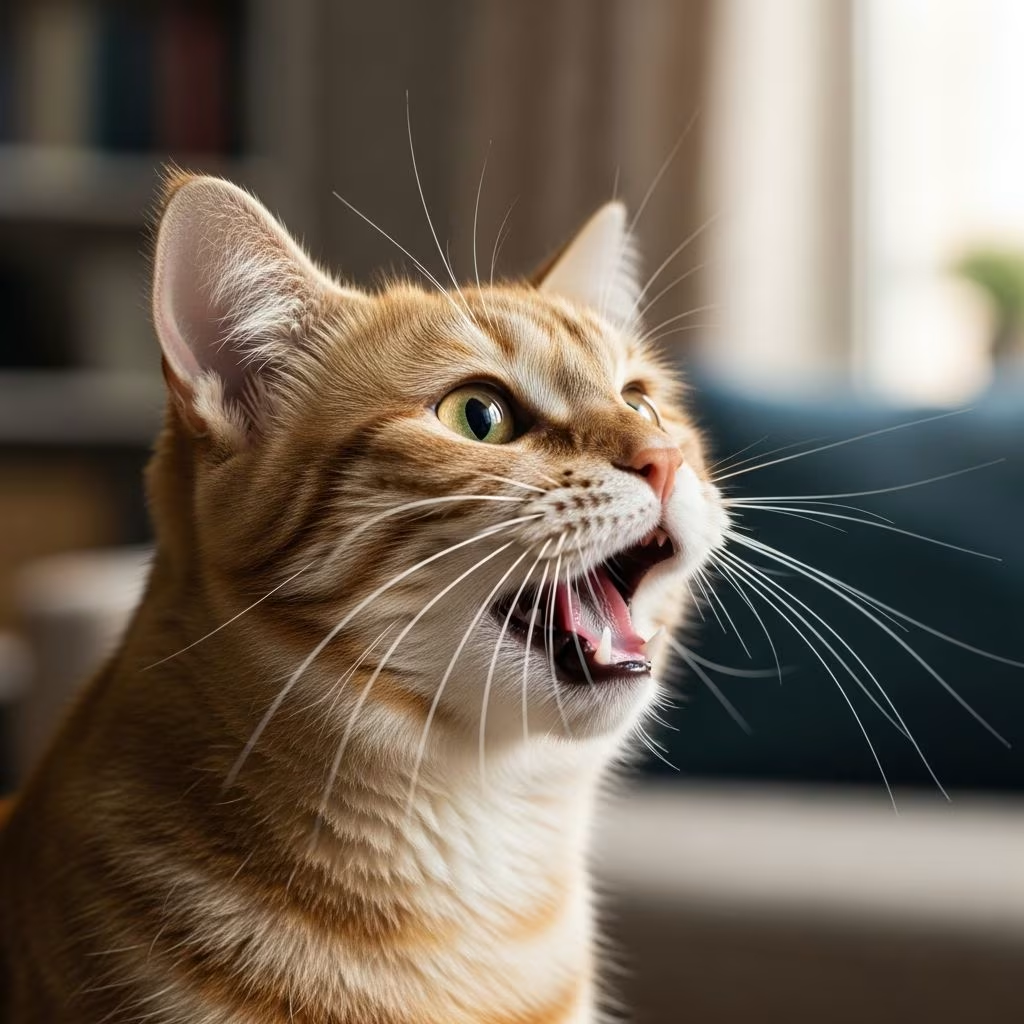
If you’ve ever sneezed around a cat, you’ve likely witnessed their peculiar response. Some cats hiss, others bolt from the room in terror, while many simply meow. More commonly, cats meow when their owners sneeze—especially if they feel comfortable and secure in their relationship with you. This seemingly mysterious behavior has puzzled cat owners for generations, but understanding the reasons behind it can deepen your bond with your feline companion.
Though it’s impossible to determine precisely why cats respond the way they do without being able to speak with them directly, cat experts and veterinarians have developed several compelling theories about this quirky behavior. By exploring these four vet-approved reasons, you’ll gain insight into your cat’s emotional world and communication style.
How Cats Perceive Your Sneeze
To understand why your cat meows when you sneeze, it helps to first understand how cats experience this sudden event. Because of cats’ sensitive ears and their natural predisposition to run away in frightening situations, sneezes are quite an intense experience for your kitty. Whenever you sneeze, the muscles in your cat’s middle ear contract automatically. This biological response lessens the sound emissions to protect their delicate inner ear from damage.
Many cats perceive this phenomenon differently depending on their personality and experiences. Some cats get excited by the novelty, while others become genuinely scared. As a result, there are quite a few responses that a cat can display whenever you sneeze. Even though some reactions are positive, most are negative because sneezes are often loud and sudden, which naturally scares most feline friends.
Reason 1: They Are Startled
Whenever you get startled by something unexpected, you may shout, jump back, or gasp involuntarily. Cats experience the same physiological response to sudden surprises. Whenever they get scared, they meow in response as a natural reflex. Even though someone sneezing does not cause most humans to jump, the same cannot be said about our feline companions.
The chances are that your cat isn’t actually scared of you personally. They’re simply surprised to hear you sneeze, especially if the sneeze is particularly loud or unexpected. You have probably been startled yourself by an extra loud sneeze—the same applies to your cat. The meow is essentially your cat’s way of saying they didn’t see your sneeze coming and needed a moment to process the unexpected sound.
This response is more likely to occur if your cat is sleeping nearby in a quiet environment. A sudden loud sneeze will startle your sleeping cat, resulting in a meow or other vocalization. This reaction is even more probable if your cat has an anxious or shy temperament by nature. Think of it as their involuntary reaction to being caught off guard.
Reason 2: They Are Annoyed
Cats are especially known for their sassy and opinionated behavior. Whether you are petting them the wrong way, disrupting their peaceful nap, or not providing enough treats and snacks, cats are remarkably quick to show you that they are displeased and annoyed with your behavior. This sass is one of the most endearing qualities of cat ownership.
Much like anger in humans, annoyance is often expressed through grunts, huffs, or sounds of disapproval. Cats communicate their displeasure in similar ways, and they sometimes meow whenever they are annoyed or frustrated. The specific sounds are likely distinguishable to other cats, but to the human ear, the meows often sound quite similar to other vocalizations.
In this particular scenario, whenever you sneeze loudly, you may abruptly disrupt the cat’s nap or relaxation time. Instead of being startled by the noise, your cat becomes annoyed by the loud interruption. This causes them to meow their disapproval for the annoying noise you’ve inflicted upon them. It’s their way of saying, “How dare you interrupt my peaceful moment!” Your cat is essentially expressing their frustration at being disturbed.
Reason 3: They Mistake Your Sneeze for a Hiss
Perhaps your cat mistakes your sneeze for a hiss—a common cat communication sound that signals aggression or warning. As a result, they meow or hiss back in response to what they perceive as a threat or confrontation. They likely don’t understand why you were seemingly hissing at them in the first place.
This interpretation depends entirely on how you personally sneeze, as sneezes are quite unique to each individual. However, since many sneezes tend to end with an almost hissing sound—particularly the exhale portion—your cat might genuinely think that you are indeed hissing. When cats detect what sounds like hissing, they often feel compelled to respond with their own hiss or meow to figure out what’s wrong and why you would express such a grievance with them.
If you notice this pattern with your own sneeze, you might consider attempting to change your sneeze pattern if possible. Interestingly, research shows that approximately 45% of people have both a public sneeze and a private sneeze, so perhaps the public sneeze variation should be reserved for home use around your sensitive feline!
Reason 4: Your Cat Is Imitating You
Interestingly, there are numerous studies that show cats like to imitate human behavior and adopt human habits, creating their own feline versions of these behaviors. This is an exciting phenomenon that many types of domesticated animals display with their owners. Your cat may be imitating you whenever they meow after a sneeze.
The meow could be their creative version of sneezing, or they could be imitating how people say “bless you” or “gesundheit” after a sneeze. Since cats cannot speak human language, they respond verbally in their own way, much like children, partners, or friends do after someone sneezes. A 2020 study found that some cats tend to copy their owners’ behaviors, suggesting that your cat might genuinely be trying to mimic your sneeze—just with a meow instead.
This interpretation suggests a positive relationship between you and your cat. If your cat is comfortable enough to interact with you in this playful, imitative way, it indicates they feel secure and bonded with you. Some cat owners even interpret this behavior as their cat saying “bless you” in their own unique feline language.
Additional Cat Responses to Sneezing
While meowing is the most common response to your sneeze, cats exhibit other behavioral reactions worth noting:
- Running Away: Many cats run away or flee the room whenever you sneeze. This response stems from being startled, followed by their natural flight response. As mentioned earlier, cats don’t particularly enjoy loud noises. Sneezes, especially very loud ones, can trigger their instinctual prey-animal response and cause them to seek safety. Even if the cat is familiar with you, the sudden sound may startle them enough to trigger this escape behavior.
- Hissing Back: Some cats respond to sneezes by hissing in return, particularly if they interpret the sneeze as a threatening sound or hiss from you.
- Dilated Pupils: Your cat’s pupils may dilate in response to the sudden sound, indicating heightened alertness or fear.
- Ear Flattening: Cats often flatten their ears against their head when startled or annoyed, showing clear signs of discomfort.
- Tail Tucking: A tucked tail indicates fear or anxiety in response to the unexpected noise.
Understanding Your Cat’s Sensitivity to Sound
Cats are incredibly sensitive creatures with hearing capabilities far superior to humans. A cat’s hearing range extends to frequencies that humans cannot detect, making everyday sounds seem much louder and more intense to them. This heightened auditory sensitivity explains why sudden, loud noises like sneezes can be so disruptive and startling to your feline companion.
Additionally, cats are aware of their own vulnerability in the animal kingdom. While they are skilled predators, they are also relatively small animals that can just as easily be prey to larger predators. This duality in their nature—both predator and potential prey—makes them naturally cautious and reactive to unexpected stimuli. Understanding this helps explain their sometimes extreme reactions to seemingly innocuous household sounds.
What Your Cat’s Response Reveals About Your Bond
If your cat meows after you sneeze rather than running away entirely, it actually indicates something positive about your relationship. The fact that your cat stays in the room shows a whole lot about its trust for you. Since sneezes can be such a scary experience for a cat, any cat willing to remain present and meow as a response demonstrates that they trust you and know that you would never intentionally hurt them.
This willingness to stay nearby and vocalize suggests your cat feels secure enough in your presence to express their reaction, whether that reaction is surprise, annoyance, or playful imitation. Cats that are truly fearful of their owners would likely flee immediately. Your cat’s decision to meow indicates they’re engaging with you, even if that engagement is expressing their displeasure at the interruption.
Tips for Managing Your Cat’s Sneeze Response
If your cat’s reaction to your sneezes is becoming bothersome or if you’d like to minimize their stress response, consider these helpful strategies:
- Use Treats as Positive Association: If your sneezes are especially loud, consider having treats nearby. After you sneeze, you can offer your cat a treat, helping them associate the sound with something positive rather than startling.
- Modify Your Sneeze Pattern: If your cat seems to interpret your sneeze as a hiss, try using your “public sneeze” at home instead. Remember that 45% of people have multiple sneeze variations they can control to some degree.
- Create Safe Spaces: Ensure your cat has access to safe, quiet spaces where they can retreat if they feel overwhelmed by sudden loud noises.
- Maintain Calm Energy: Your cat is incredibly in tune with your energy. Try to remain calm and relaxed after sneezing rather than drawing attention to the event.
- Be Mindful of Timing: If your cat is sleeping peacefully nearby, try to remove yourself from the room before sneezing, or warn them gently beforehand if possible.
- Avoid Punishment: Never scold your cat for their reaction to your sneeze. Their response is involuntary and natural.
Frequently Asked Questions (FAQs)
Q: Is it normal for cats to meow when I sneeze?
A: Yes, it’s completely normal. Cats may meow when you sneeze due to being startled, annoyed, mistaking the sneeze for a hiss, or imitating your behavior. This is a common feline response to sudden, unexpected sounds.
Q: Should I be concerned if my cat runs away when I sneeze?
A: Not necessarily. Running away is a natural flight response to a sudden loud noise. However, if your cat seems consistently anxious or fearful in general, you may want to consult with a veterinarian about anxiety management strategies.
Q: Can I train my cat to not react to my sneezes?
A: While you cannot eliminate your cat’s natural startle response, you can help them become more comfortable by using positive associations like treats after sneezing, maintaining calm energy, and providing safe spaces for them to retreat.
Q: Why does my cat hiss back when I sneeze?
A: Your cat may interpret your sneeze—particularly if it has a hissing sound at the end—as a threatening hiss from you. They’re responding defensively to what they perceive as a threat or confrontation.
Q: When should I seek veterinary advice for my cat’s behavior?
A: If you notice other concerning behaviors or health issues such as appetite changes, lethargy, excessive meowing beyond sneeze-related incidents, or any signs of distress or anxiety, it’s a good idea to consult with a veterinarian for peace of mind and professional guidance.
Q: Does my cat meowing after I sneeze mean they love me?
A: Not necessarily, though it does indicate they trust you enough to stay nearby and respond. Your cat might be meowing due to annoyance, curiosity, or imitation. However, the fact that they don’t flee shows they feel secure with you, which is a form of trust and affection.
Conclusion: Appreciating Your Cat’s Unique Personality
Even the most well-adjusted and calm cats can occasionally be startled by a sneeze. If your cat meows after you sneeze, it’s likely because they’re either startled, annoyed, mistaking a sneeze as a hiss, or imitating you. Each of these explanations reveals something different about your cat’s personality, emotional state, and relationship with you.
The key to managing this behavior—if it needs managing at all—is understanding the root cause and responding with patience, compassion, and positive reinforcement. Rather than viewing your cat’s sneeze-related meowing as a problem, consider it another charming quirk that makes your feline companion unique and endearing. After all, cats have countless ways of keeping their humans entertained and on their toes, and their reactions to sneezes are just one more example of their fascinating and complex nature.
By understanding why your cat responds the way they do, you’re taking an important step toward strengthening your relationship and creating a more harmonious household where both you and your feline friend feel comfortable, safe, and appreciated.
References
- Why Does My Cat Meow When I Sneeze? 4 Vet-Approved Reasons — Catster. 2024. https://www.catster.com/cat-behavior/why-does-cat-meow-when-i-sneeze/
- Why Does My Cat Meow When I Sneeze? 5 Common Reasons — Hepper. 2024. https://articles.hepper.com/why-does-cat-meow-when-i-sneeze/
- My Cat Meows Every Time I Sneeze, Is This Something I Should Worry About? — Dial A Vet. 2024. https://www.dialavet.com/vet-answers/cat-meows-when-i-sneeze-30193
- Cat Meows When I Sneeze: Understanding Feline Reactions — Desk Cat Nest. 2024. https://deskcatnest.com/blogs/blog/cat-meows-when-i-sneeze



